Airbus has forecast that global passenger traffic will more than double over the next two decades, driven by economic growth, urbanisation and increasing demand for air travel across developing markets.
The manufacturer’s latest Global Market Forecast 2026–2045 predicts annual passenger traffic growth of 3.9%, with the number of air passengers rising to around 10 billion per year by 2045.

Urbanisation to Shape Future Air Networks
According to Airbus, future aviation growth will increasingly be driven by smaller and medium-sized cities rather than major metropolitan centres.
The company expects urbanisation, rising incomes and expanding middle-class populations to create demand for new direct air services between cities that were previously unable to sustain regular flights.
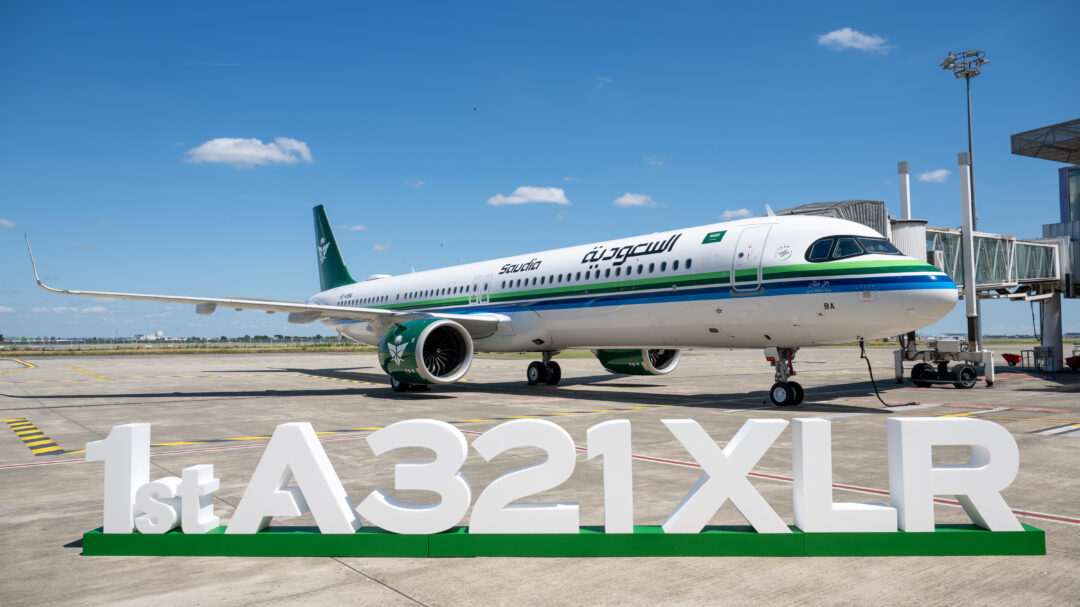
Airbus says advances in aircraft efficiency and range are making these routes commercially viable. Examples cited include services such as Lisbon–Recife using the A321neo, Dublin–Nashville with the A321XLR, and Taipei–Phoenix using the A350.
The forecast also points to regional routes served by smaller aircraft, including connections such as Melbourne–Alice Springs and Riga–Tenerife.
Demand Driven by Population and Economic Growth
Airbus expects the global middle-class population most likely to travel by air to increase by 1.4 billion people by 2045, representing growth of 34%.
The manufacturer attributes long-term demand to projected global GDP growth of 2.6% annually, an increase of 1.3 billion people living in urban areas and continued expansion of middle-income households.
The report states that, while the aviation sector may experience short-term disruption from factors such as regional conflicts or fuel price fluctuations, historical trends indicate that long-term demand for air travel has remained resilient.
Growth is expected to be particularly strong across the Asia-Pacific region, with countries including India, Vietnam, Indonesia and Malaysia contributing to increasing passenger volumes. Airbus also forecasts continued growth in international travel linked to migration and visits to friends and relatives.
More Than 42,000 Aircraft Required
To meet forecast demand between 2026 and 2045, Airbus estimates that airlines will require 42,060 new passenger and freight aircraft.
Of these, approximately 22,240 aircraft are expected to support traffic growth, while 19,820 will replace older aircraft reaching the end of their operational lives.
Single-aisle aircraft are forecast to account for around 81% of deliveries, with widebody aircraft making up the remaining 19%.
Fleet Renewal Continues
Airbus states that the replacement of older aircraft is expected to accelerate as airlines continue renewing fleets that aged during the COVID-19 pandemic.
The manufacturer forecasts that the proportion of the world’s commercial fleet made up of the latest-generation aircraft will increase from around 39% in 2026 to almost 100% by 2045.
Newer aircraft are expected to offer improved fuel efficiency and greater operational flexibility, enabling airlines to operate both lower-demand regional routes and longer international services more efficiently.