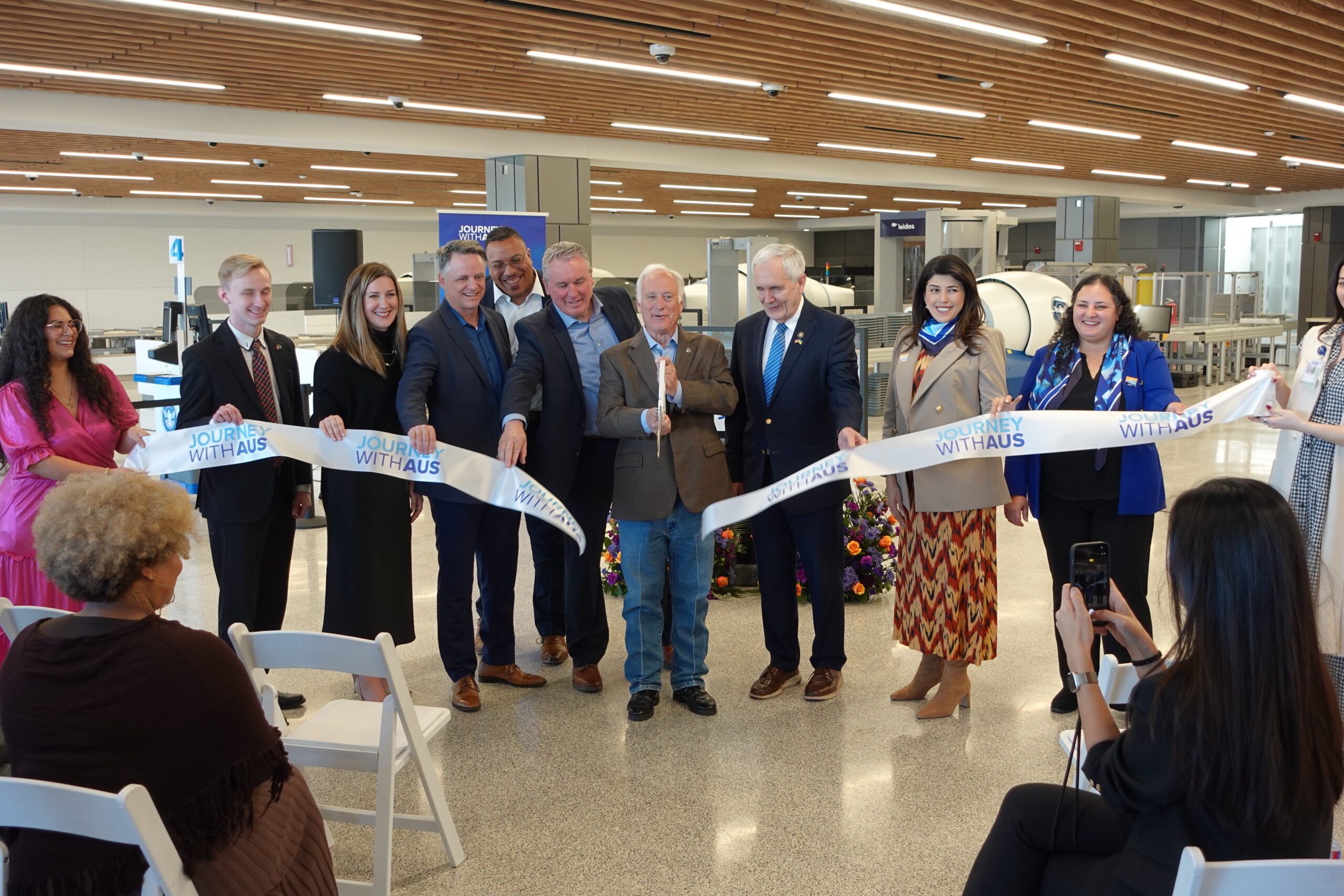
Calgary International Airport (YYC) has opened its Centralized Security Screening area for domestic passengers.
The upgraded facility uses CATSA’s CT X-ray technology, which allows passengers to keep large electronics, medical devices and permitted liquids in their bags while completing the screening process.
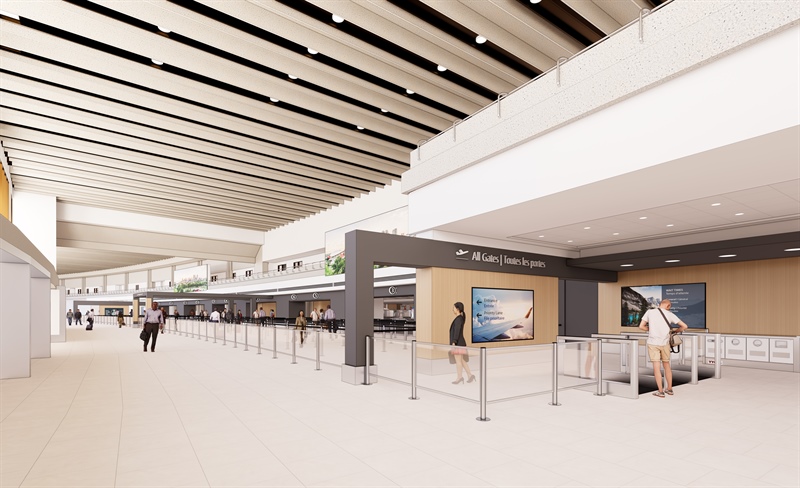
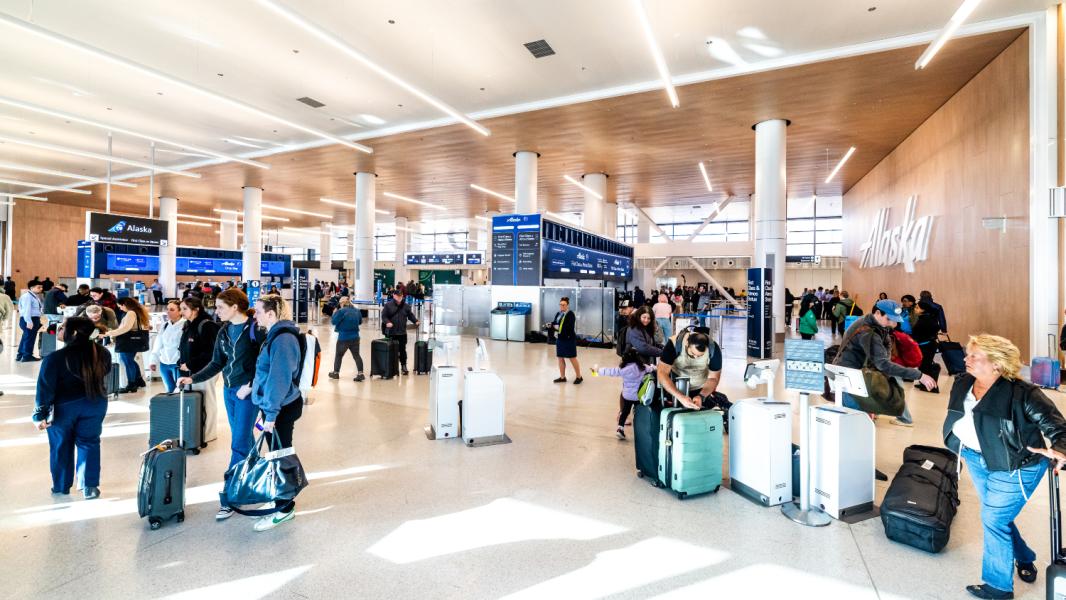
Centrally located on the departures level, the screening area is accessible to passengers on any airline. The layout provides clearer sightlines and more space, aiming to reduce confusion and support a smoother flow through security.
Chris Miles, Chief Operating Officer at Calgary Airports said:Security screening is an integral part of everyone’s journey through the airport, and for some, it can be a moment of uncertainty. Centralized Screening is about giving guests more breathing room, clearer wayfinding and a smoother experience from the moment they step into the terminal.
Most domestic passengers will now use one main security point instead of selecting from multiple checkpoints. Key features include:
- A single entry point located near domestic check-in areas
- CT X-ray technology to support faster processing of electronics and liquids
- A layout intended to reduce uncertainty and decision-making during screening.
Passengers can now keep laptops, tablets, medical devices, and liquids (up to 100 ml each) in their bags during screening, a feature already in use at YYC’s D and E security points.
Neil Parry, interim President and CEO of CATSA, said:The opening of YYC’s new centralized checkpoint is an important step forward in how Canadians experience security screening. By installing CATSA’s innovative CT X-ray technology across seven screening lines, we’re strengthening security through advanced 3D imaging. In partnership with the Calgary Airport Authority, we’re proud to expand this innovation at YYC, enhancing security while making the screening process more efficient for air travellers.
The new screening area includes a dedicated queue for passengers requiring additional support, with more space for mobility devices and quiet areas to pause if needed. Phase Two of the project will introduce an Accessibility Hub, offering information, tools and personalised assistance for passengers with specific requirements.