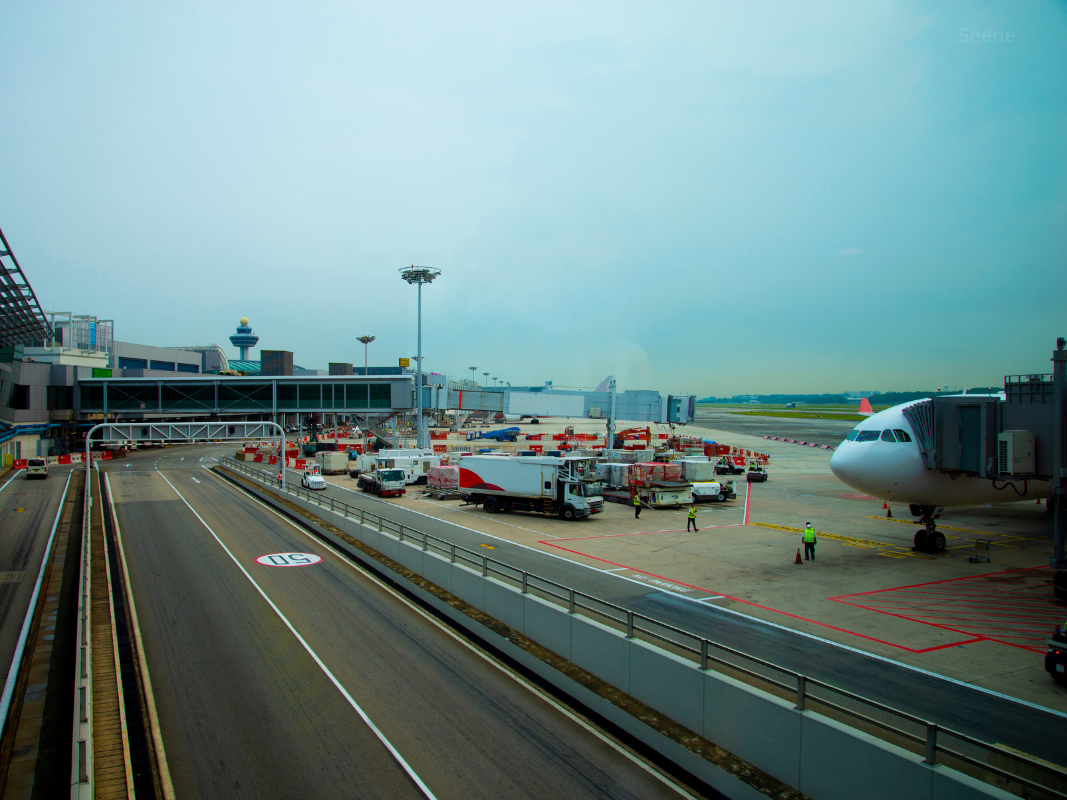
Travelers from a non-Schengen country are encountering long lines at European border checks, missing their flight connections, and worrying about their personal data. Not the best way to start a vacation, or even a business trip.
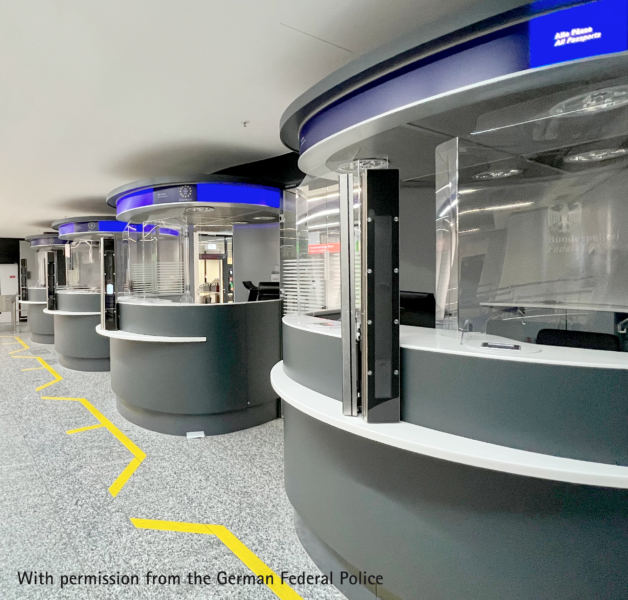
Since April 2026, the European Union’s Entry/Exit System (EES) records the passport details, fingerprints, a facial image, and entry and exit dates of non-EU nationals visiting the Schengen area for short stays.
Many years of project delays should have given airports enough time to make the necessary operational and architectural changes to accommodate longer waiting times and queues. But reality set in quickly. With gradual activations of the biometric registration processes, the lines grew longer at all larger European airports. And existing queuing areas in old terminal buildings are not able to accommodate, sort and direct the quantity of people waiting in line.
Collecting biometric information takes considerably longer than simply stamping a passport, particularly when a traveler is registering for the first time. Airports, airlines and border authorities have reported staff shortages, technical problems and insufficient automation.
A European Parliament research briefing noted that the rollout has caused significant delays at some borders, citing the above mentioned reasons, as well limited use of pre-registration tools.
The main challenge comes with the complexity of the technology. EES is not a single machine or database but a large interconnected European IT system linking national border-control infrastructure with central EU systems. This creates considerable opportunities for technical failures or inconsistent implementation between countries. Immigration data continues to stay incomplete because the system is not yet operating full time and reliably at every border crossing.
In addition, many travelers arrive at the border not fully informed about the system’s existence and processes. For example, the rules apply mainly to non-EU nationals making short visits, while various categories—including some residence-permit holders and family members of EU citizens—are exempt. Understanding who must register, provide biometrics or undergo different procedures causes confusion and many questions, all taking up long minutes at the border check point.
Travelers also voice their privacy and data-protection concerns. EES creates extensive digital records of travelers and stores highly sensitive biometric information, including fingerprints and facial images. While the EU promises that the system operates within fundamental-rights and data-protection rules, the concentration of such information creates a significant challenge to prevent misuse, unauthorized access and security breaches.
The EES benefits are clear. When working properly, it identifies overstayers, detects identity fraud and improves border security. With nearly 160 million entries and exits in the first 300 days, the EU reports that the system has already helped identify thousands of people travelling under false identities or with criminal records.
As reported by the Austrian Krone Zeitung, “50,000 people were denied entry by the new biometric system. Authorities classified 1,500 individuals as posing a serious security risk—for example, in connection with terrorism or human trafficking.”
But the ultimate success will depend on whether Europe can combine stronger security with reliable technology, adequate staffing, reasonable waiting times and effective protection of travelers’ personal data.
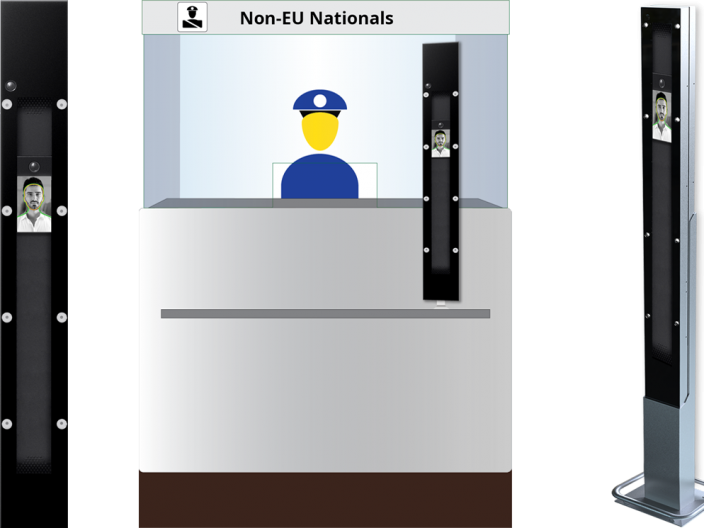
Cognitec’s technology helps border agencies to quickly take biometric photos, and compare them against facial images retrieved from ID documents or databases. Combining photo capture and person verification at the border check point can save airports and border agencies lots of time, as travelers can complete all immigration procedures in seconds.
Talk to us about your needs for entry/exit systems and enhanced passenger processing: [email protected]!
This article was originally published by Cognitec Systems.