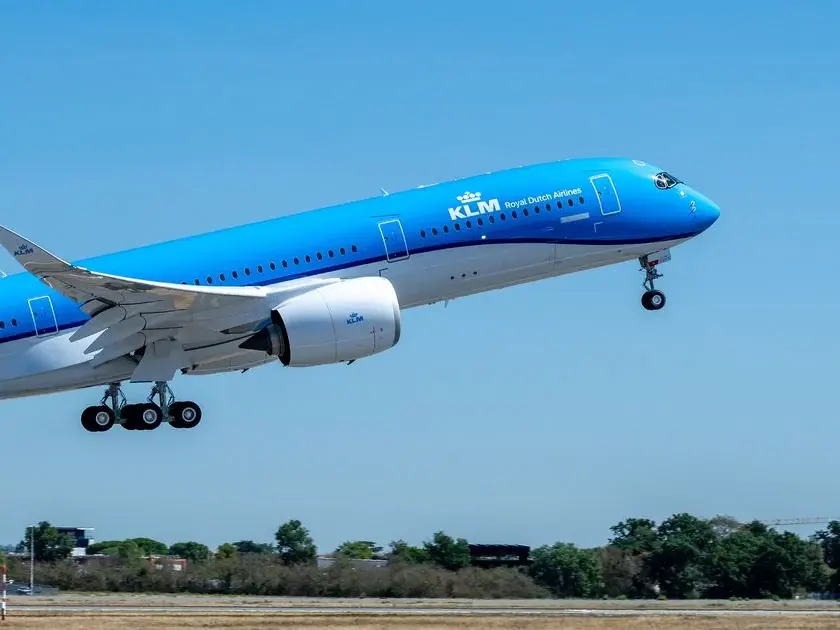
The International Air Transport Association (IATA) has outlined four priorities aimed at addressing ongoing challenges across the aerospace supply chain, including aircraft delivery delays, shortages of spare parts and maintenance constraints.
The proposals were presented during the inaugural IATA World Maintenance and Engineering Symposium in Madrid, where industry representatives discussed measures to improve supply chain resilience and support airline operations.
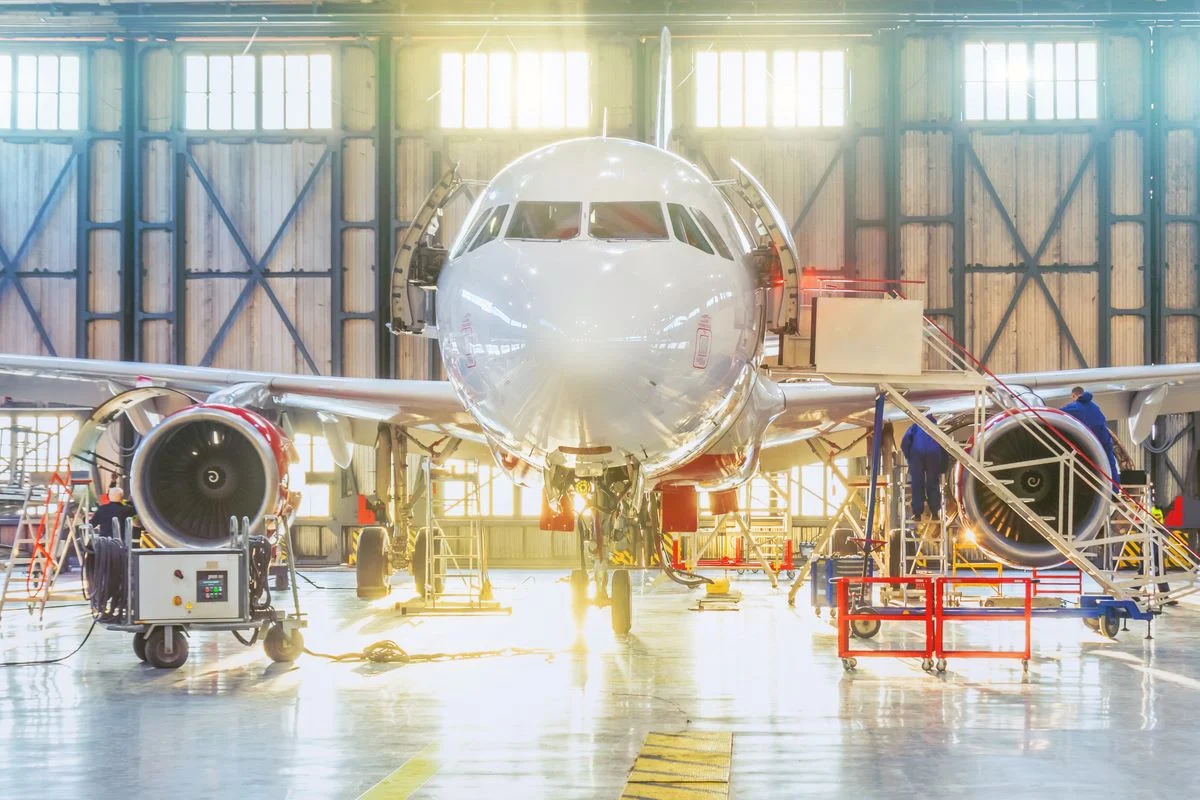
The four priorities identified by IATA are:
- Improving supply chain visibility
- Opening up the aircraft aftermarket
- Making greater use of data, digitalisation and artificial intelligence (AI)
- Expanding the aviation maintenance workforce.
According to IATA, supply chain issues have contributed to an aircraft order backlog of more than 18,000, while the average age of the global commercial fleet has risen to a record 15.2 years.
The association estimates that airlines were short of more than 5,000 fuel-efficient replacement aircraft in 2025, contributing to higher leasing and maintenance costs. IATA said supply chain disruptions cost airlines at least 11 billion USD during 2025.
Stuart Fox, IATA's Director of Flight and Technical Operations, said:Alongside aircraft delivery delays, engine durability issues, shortages of materials and spare parts, and constrained maintenance capacity are disrupting airline operations. Addressing these challenges will require practical action and cooperation across the aviation value chain.
To improve supply chain visibility, IATA called on manufacturers to provide airlines with earlier and more reliable information on aircraft deliveries, repair turnaround times, parts availability and known bottlenecks, enabling operators to plan their networks more effectively.
The association also urged manufacturers to adopt principles contained in the IATA-CFM agreement to increase competition in the aircraft aftermarket. IATA said broader access to third-party maintenance, repair and overhaul (MRO) providers, alternative aircraft parts and approved repairs would provide airlines with greater flexibility and help reduce repair times and costs.
In addition, IATA highlighted the role of data sharing, digital technologies and AI in improving maintenance planning, inventory management and warranty administration. It cited its collaboration with the International Airlines Technical Pool (IATP) and the availability of its MRO SmartHub platform as examples of initiatives intended to improve visibility and access to aircraft parts.
The fourth priority focuses on addressing workforce shortages by reviewing recruitment, training and licensing processes for aircraft maintenance technicians. IATA referenced Boeing’s forecast that the aviation industry will require 710,000 new maintenance technicians over the next 20 years and said increasing training capacity and improving recognition of qualifications across borders would help meet future demand.
Separately, IATA called for globally coordinated implementation timelines for regulatory mandates requiring new aircraft equipment and avionics upgrades. The association said compliance deadlines should reflect equipment certification, product availability, installation capacity and broader supply chain conditions.
IATA has raised these concerns with the International Civil Aviation Organization (ICAO), including in relation to the implementation of the Global Aeronautical Distress and Safety System (GADSS), Runway Overrun Awareness and Alerting Systems (ROAAS), and Automatic Dependent Surveillance-Broadcast (ADS-B) requirements.