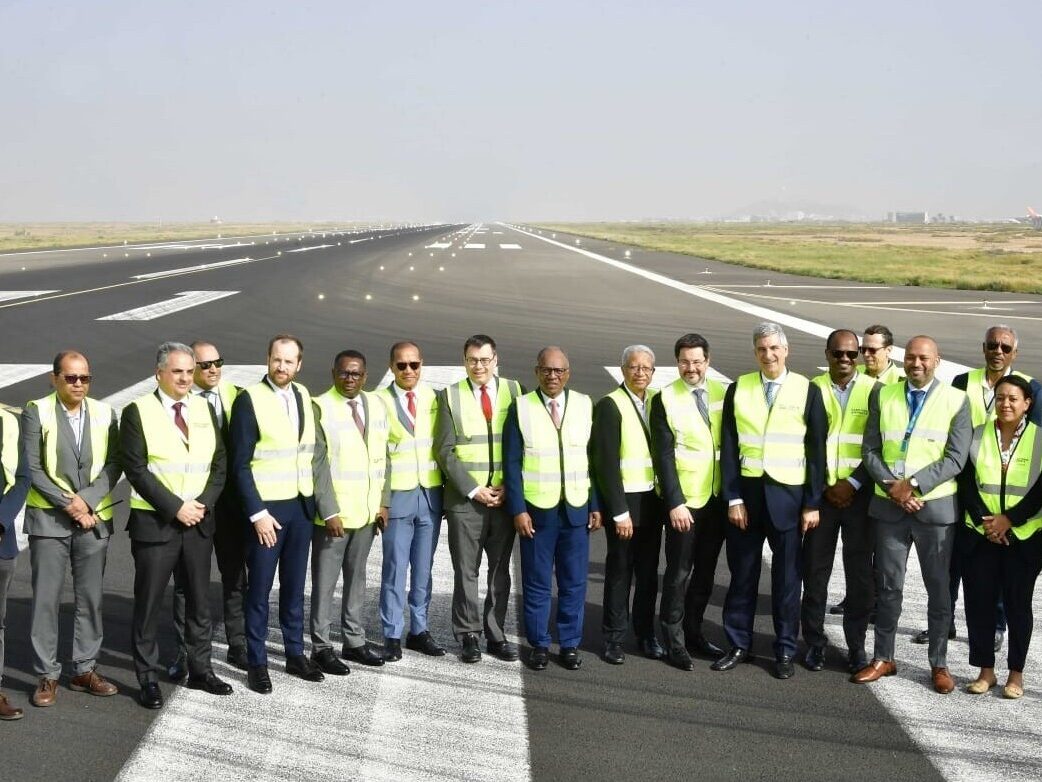
Earlier this month, Ethiopian Airlines Group officially commenced the construction of Bishoftu International Airport (BIA).
The project’s design and planning were awarded to a team led by Dar Al-Handasah (DAR), with Zaha Hadid Architects responsible for the terminal’s architecture, technical planning, and interior design.
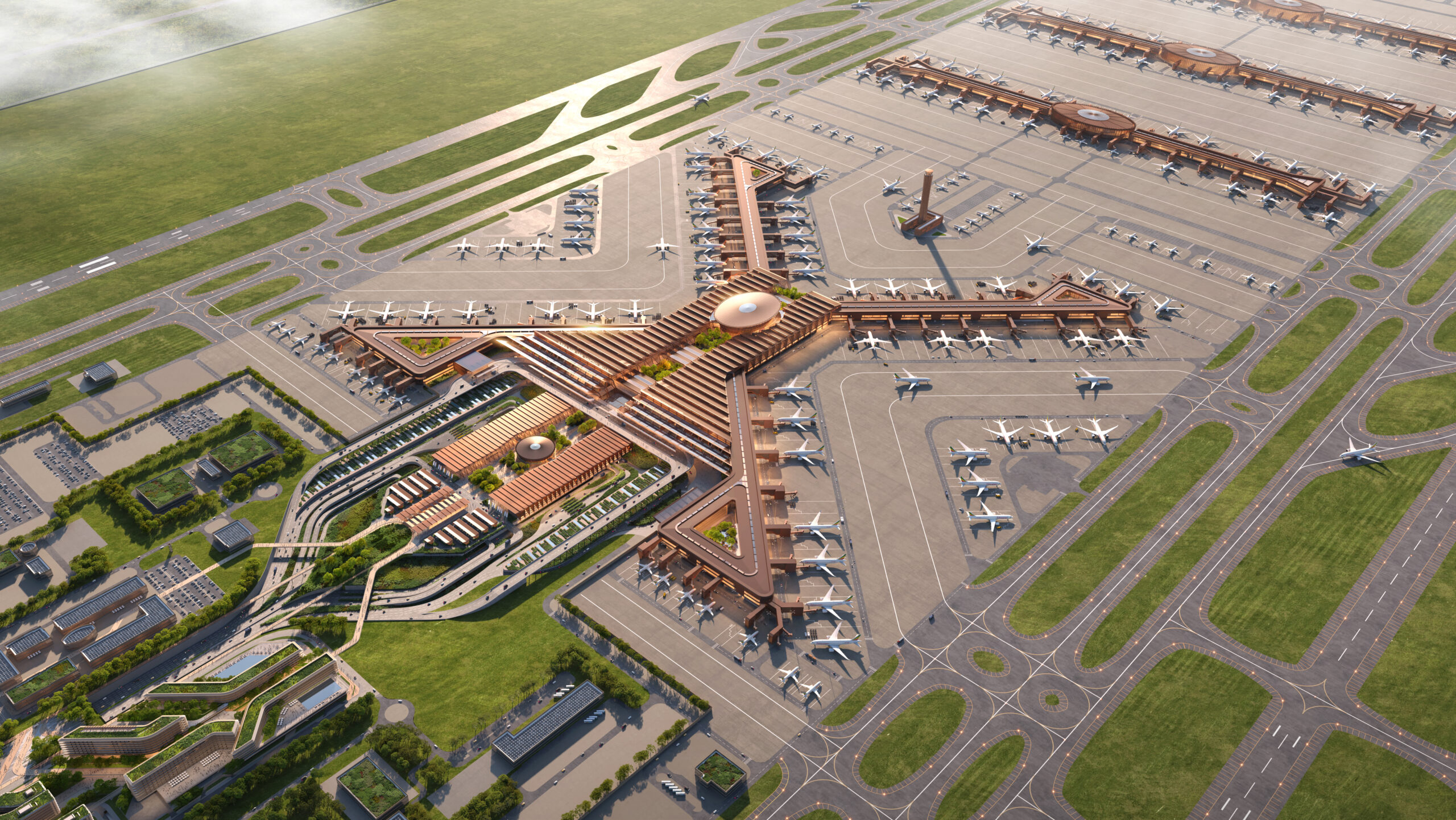
The airport is located around 40 kilometres south of Ethiopia’s capital, Addis Ababa. Its construction aims to meet projected growth in passenger and cargo demand across the region.
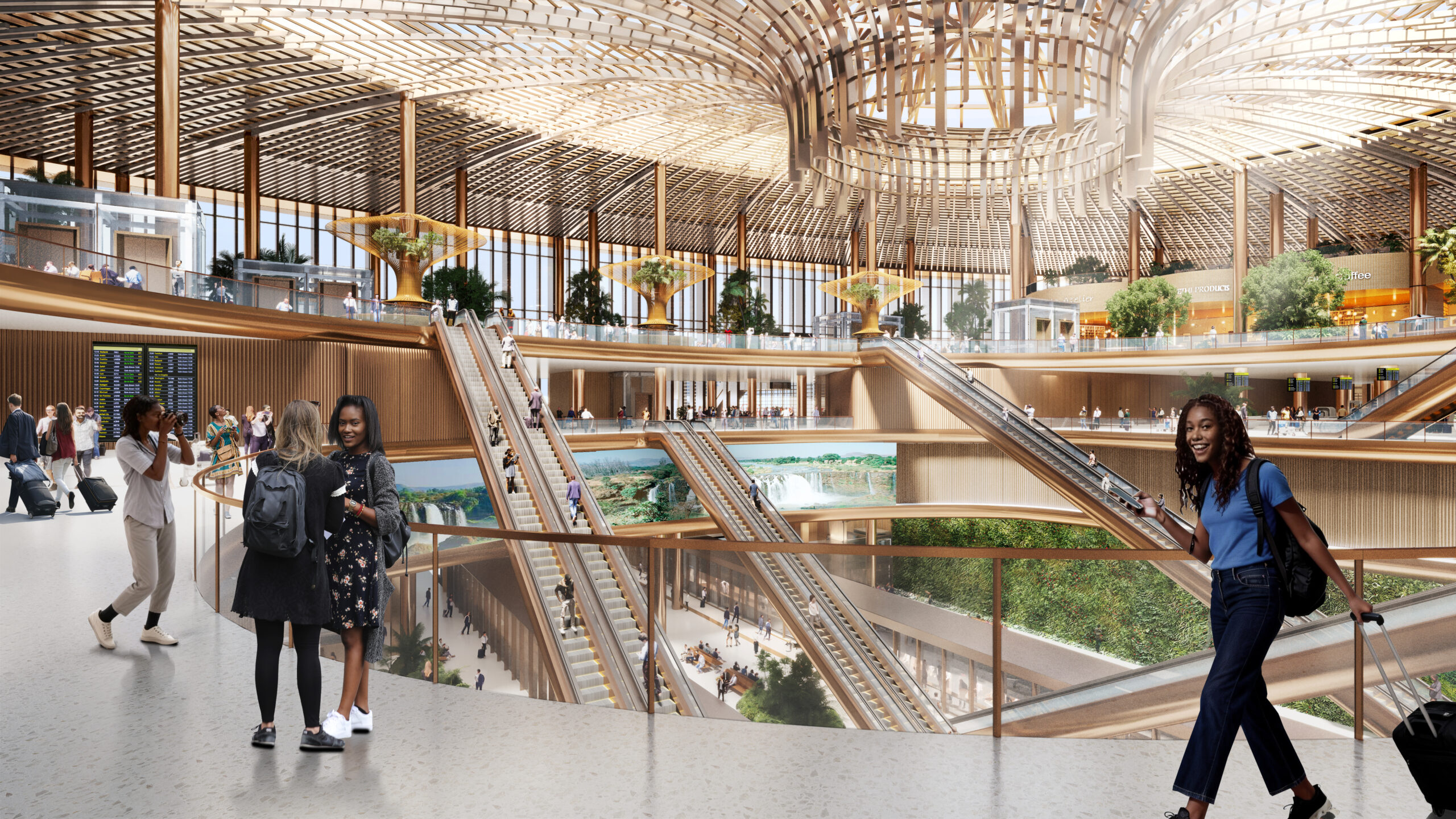
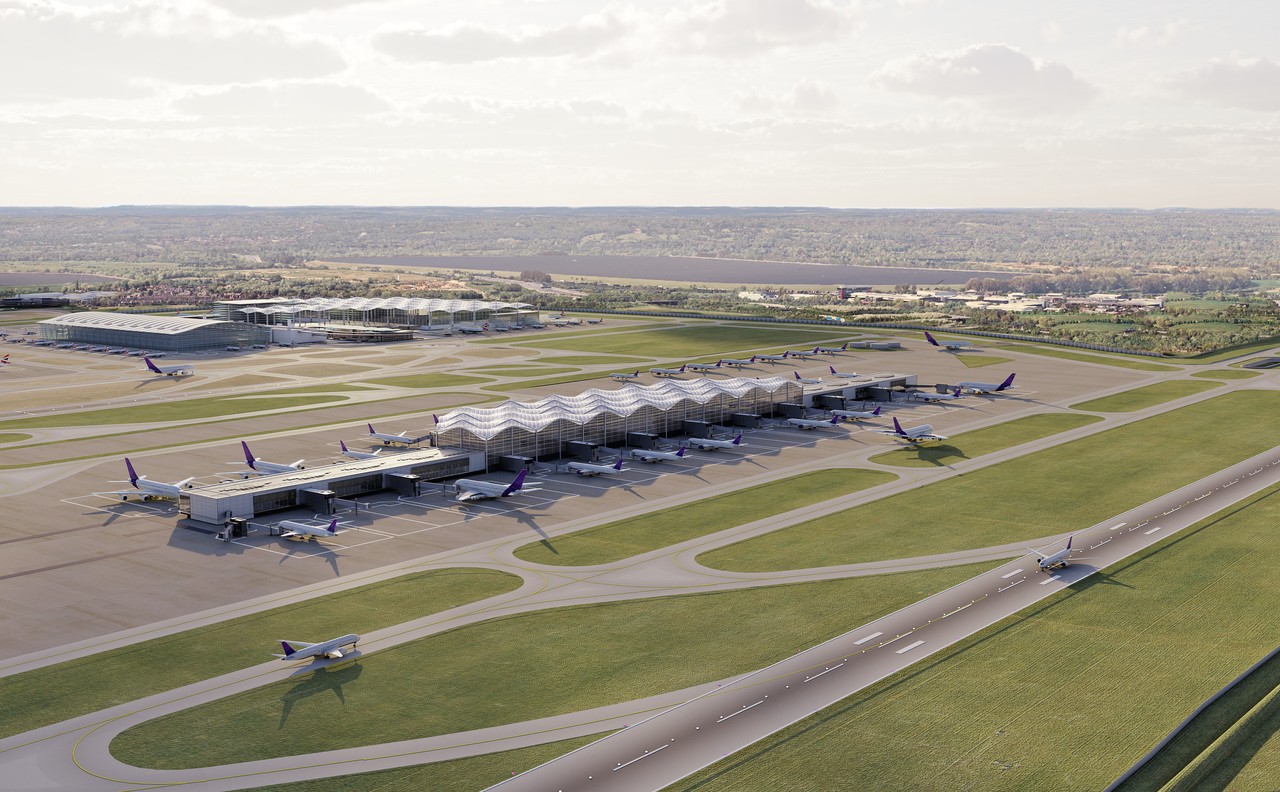
Phase One of the airport is designed to accommodate 60 million passengers annually, with future expansions expected to increase capacity to 110 million passengers, supported by four runways and parking for up to 270 aircraft. The airport will serve as a key hub for Ethiopian Airlines, connecting Africa with destinations in Asia and the Middle East.
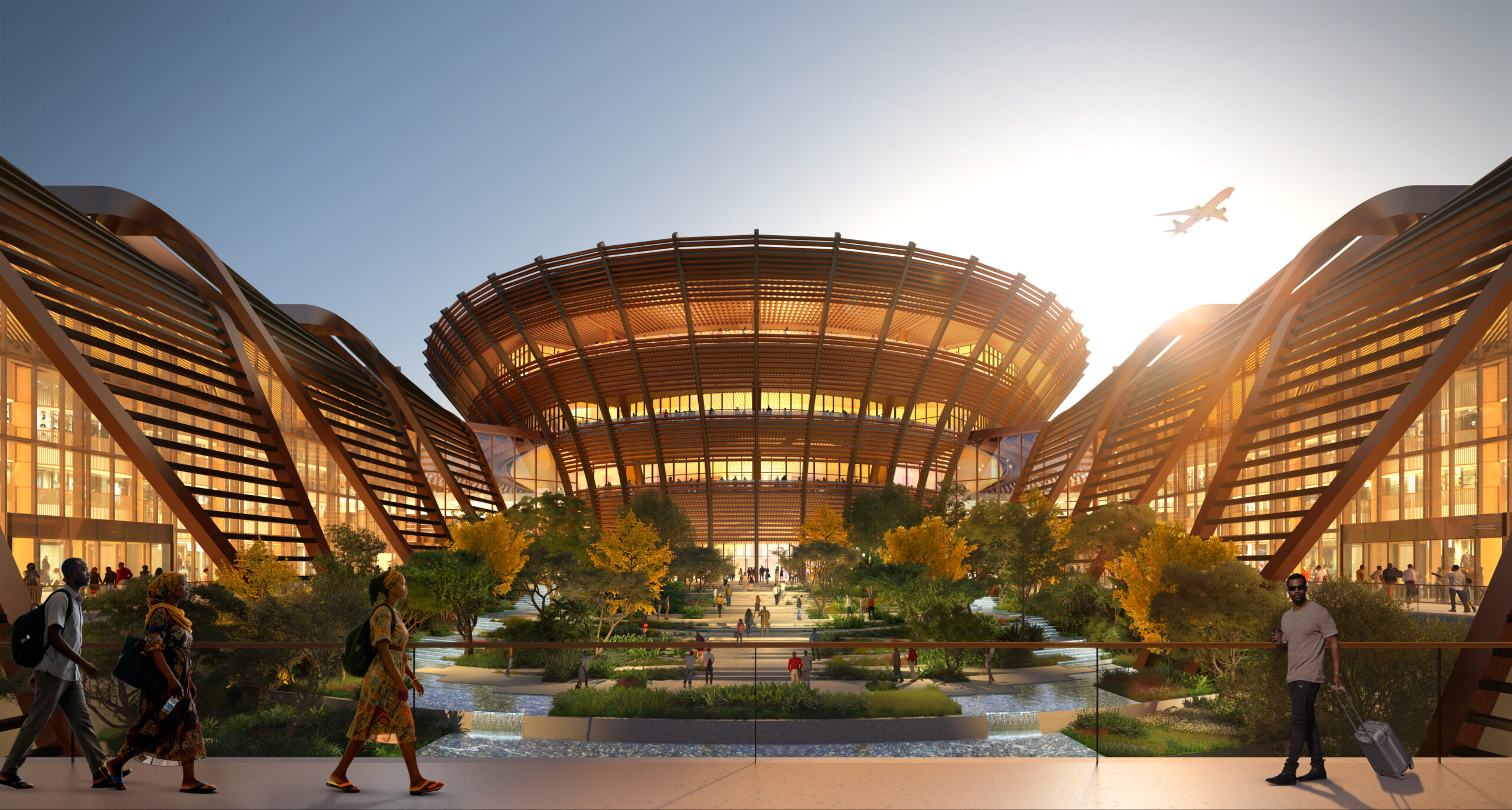
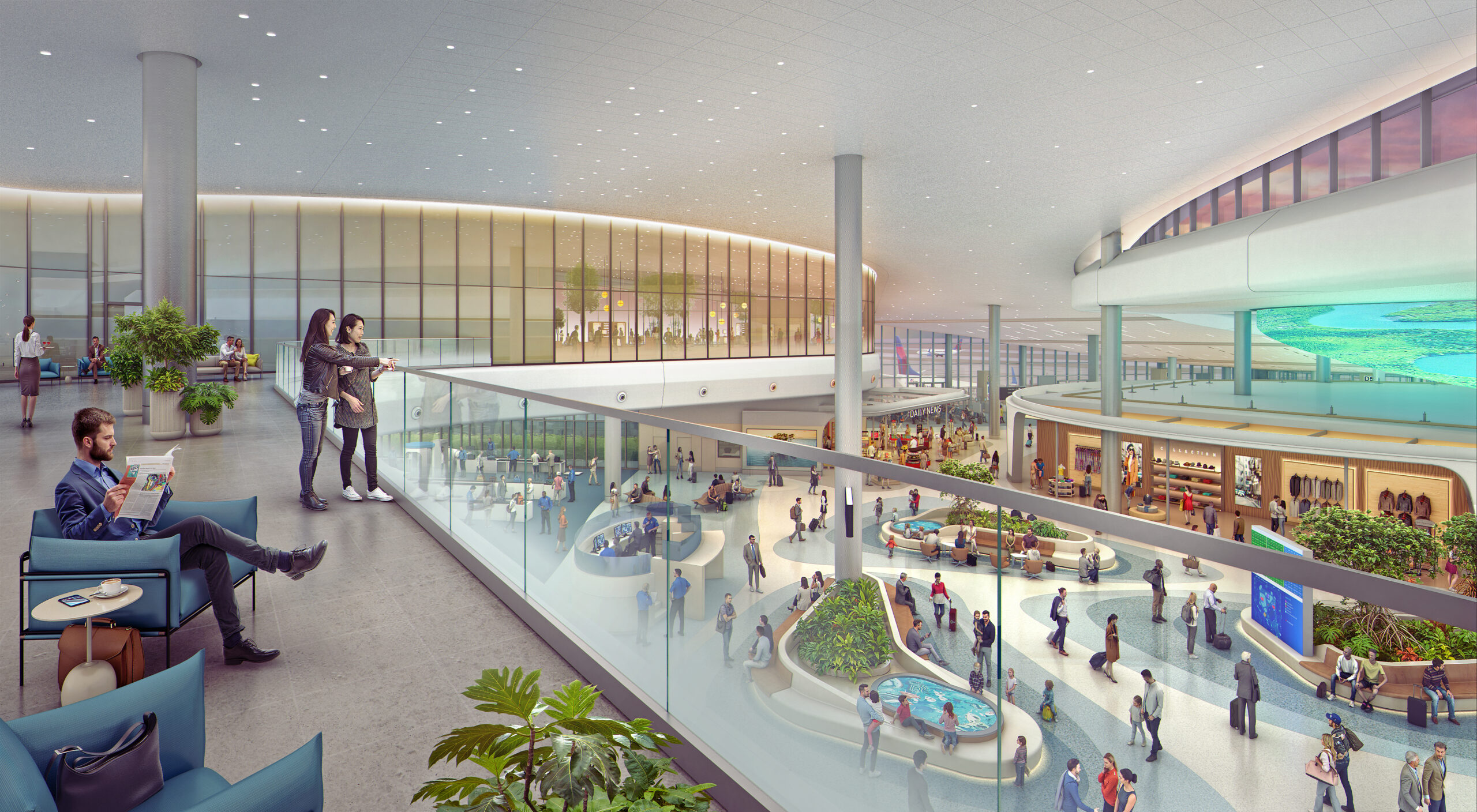
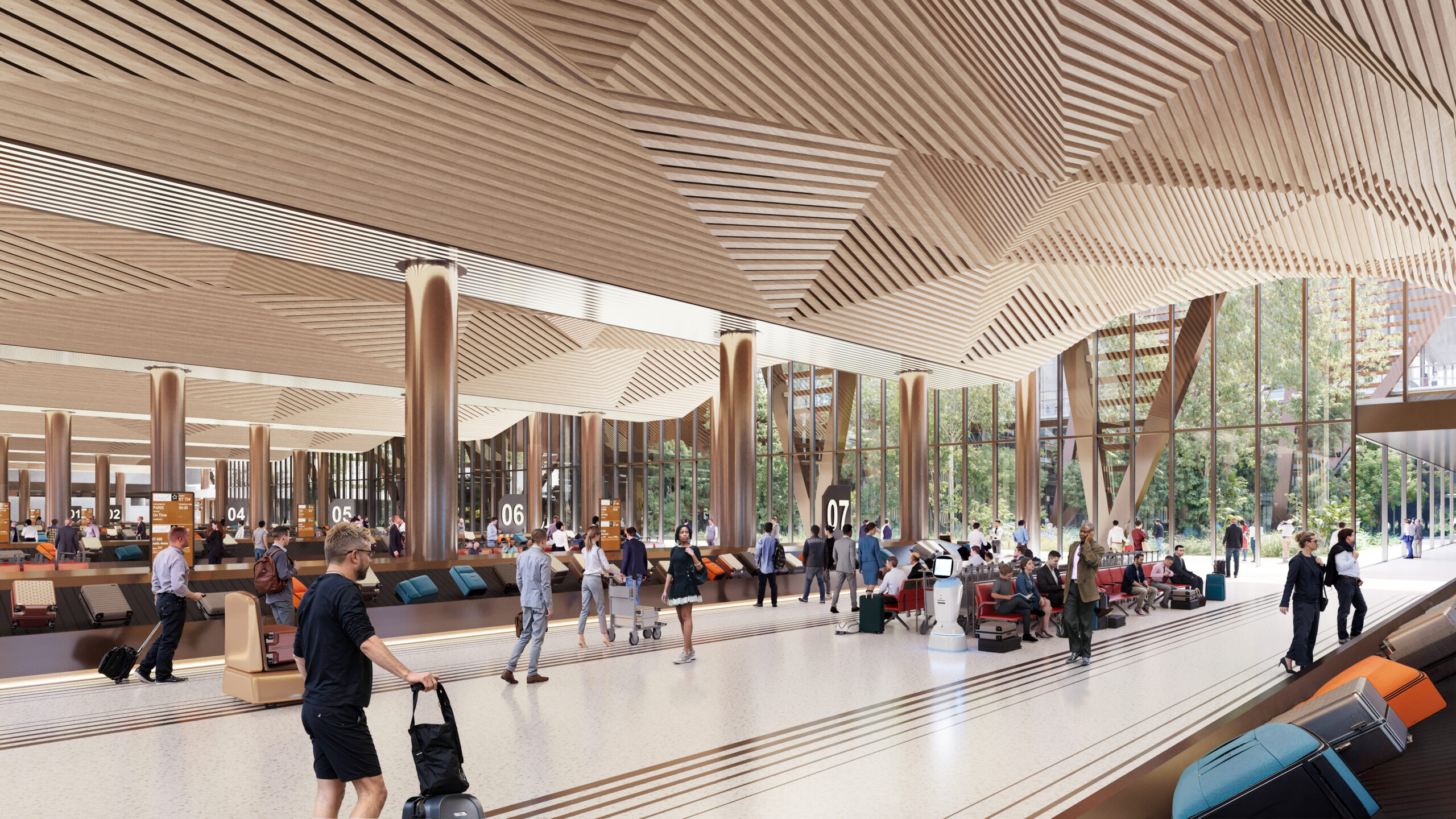
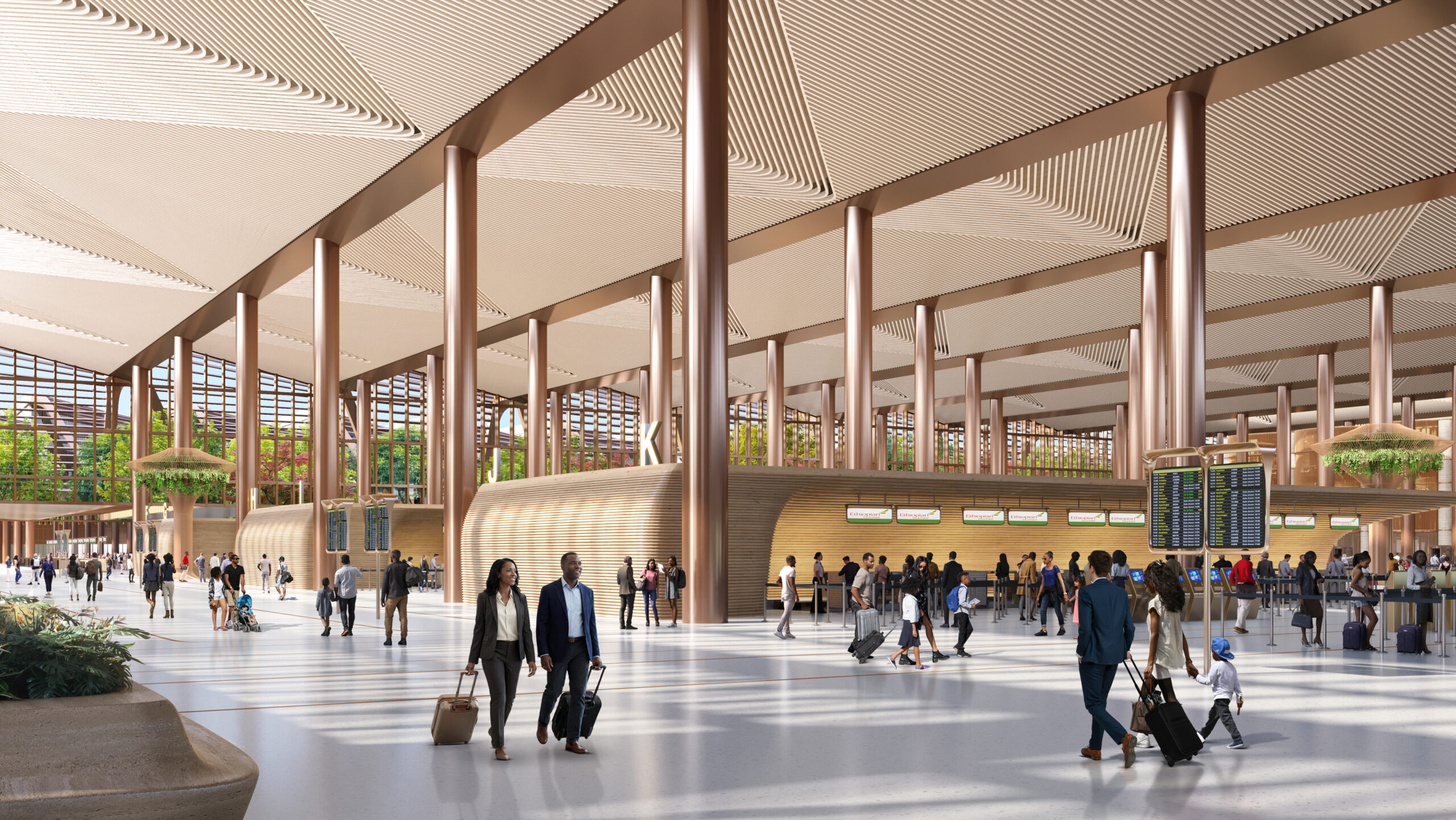
Zaha Hadid Architects has designed the airport’s passenger terminal to optimise efficient transfer for passengers, with an estimated 80% expected to transit without leaving the airport. Features include an airside hotel with 350 rooms, various dining and leisure facilities, and outdoor gardens and courtyards to support passenger comfort.
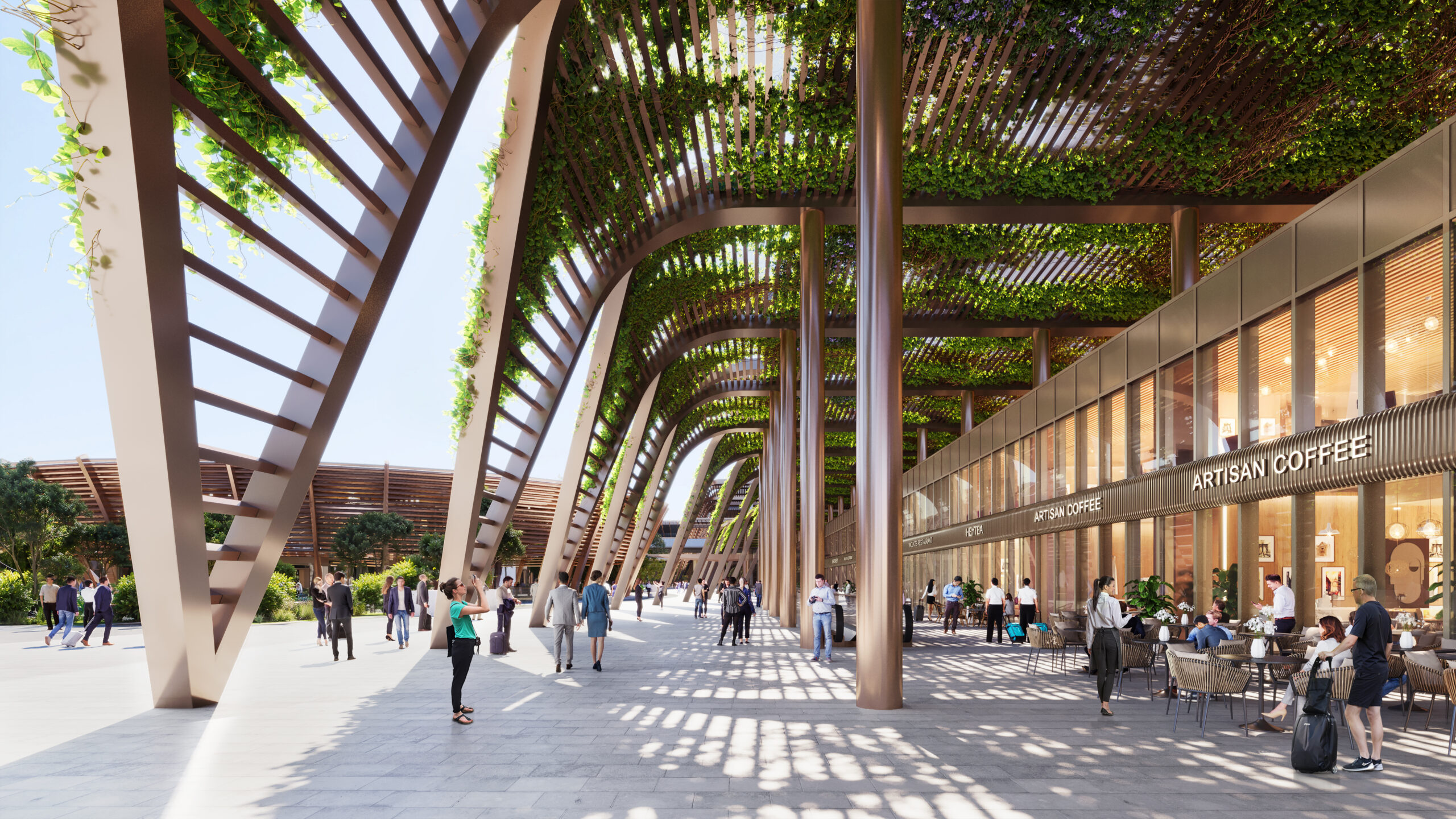
The terminal layout is organised around a central spine linking the terminal’s piers, reducing transfer distances between gates. Each pier incorporates distinct materials and colour palettes intended to reflect Ethiopia’s regional diversity. The design also takes inspiration from the nearby Great Rift Valley.
BIA is situated nearly 400 metres lower than Addis Ababa’s existing Bole Airport. This elevation, combined with longer runways, is intended to improve aircraft performance and fuel efficiency, supporting longer non-stop flights.
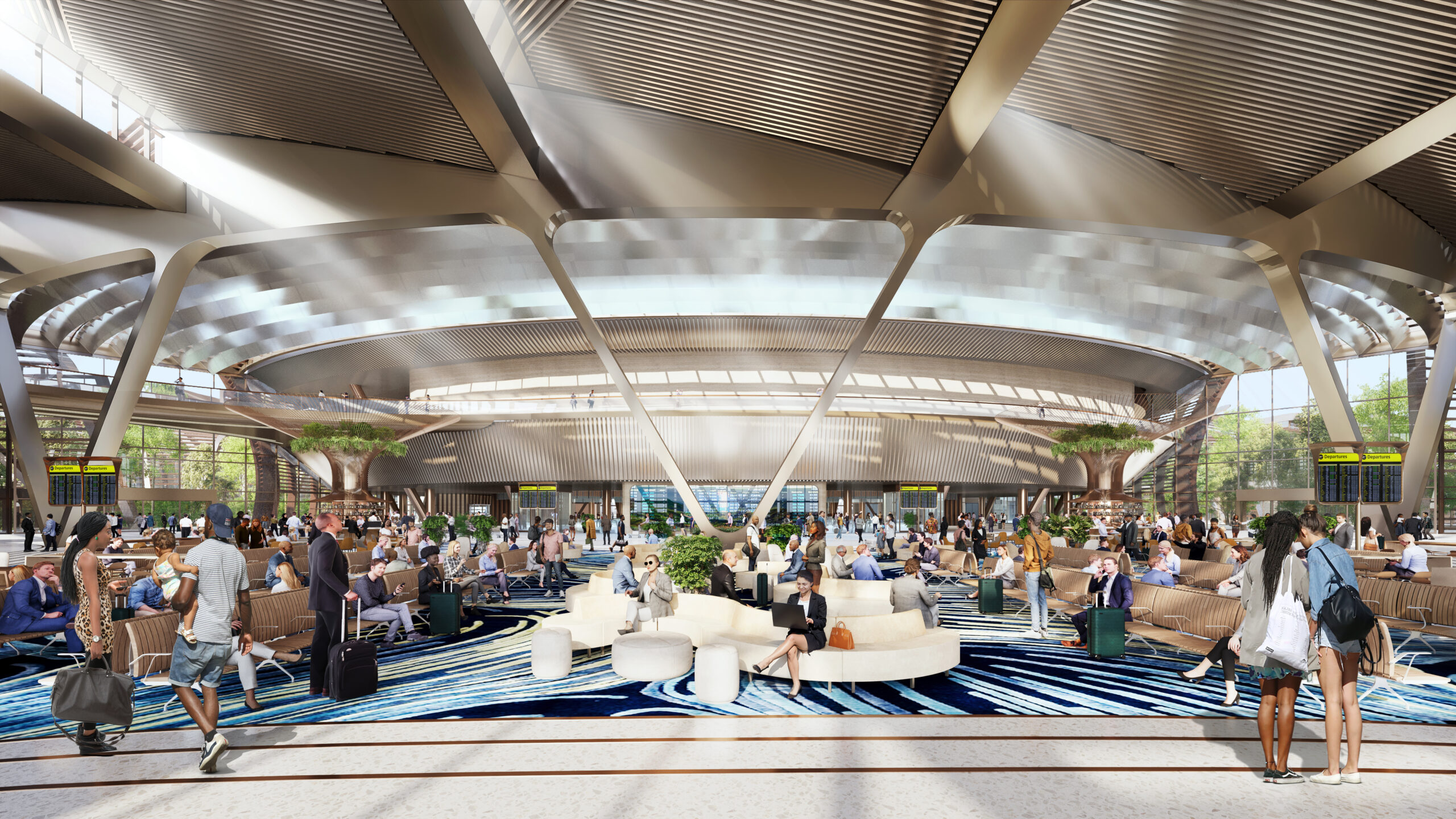
The airport is planned with environmental considerations in mind. The terminal is designed for LEED Gold certification, featuring natural ventilation, solar shading, and semi-enclosed spaces for passenger comfort. Stormwater from runways and roofs will be directed into wetlands and bioswales for storage and reuse, while photovoltaic arrays across the site will provide on-site energy generation. Landscaping will incorporate native and drought-resistant plants, with public parks for residents and airside gardens for passengers.
BIA will be connected to Addis Ababa and Bole Airport through a high-speed rail link and is intended to operate 24 hours a day. The surrounding Airport City will include mixed-use developments, providing employment for an estimated 80,000 local residents.