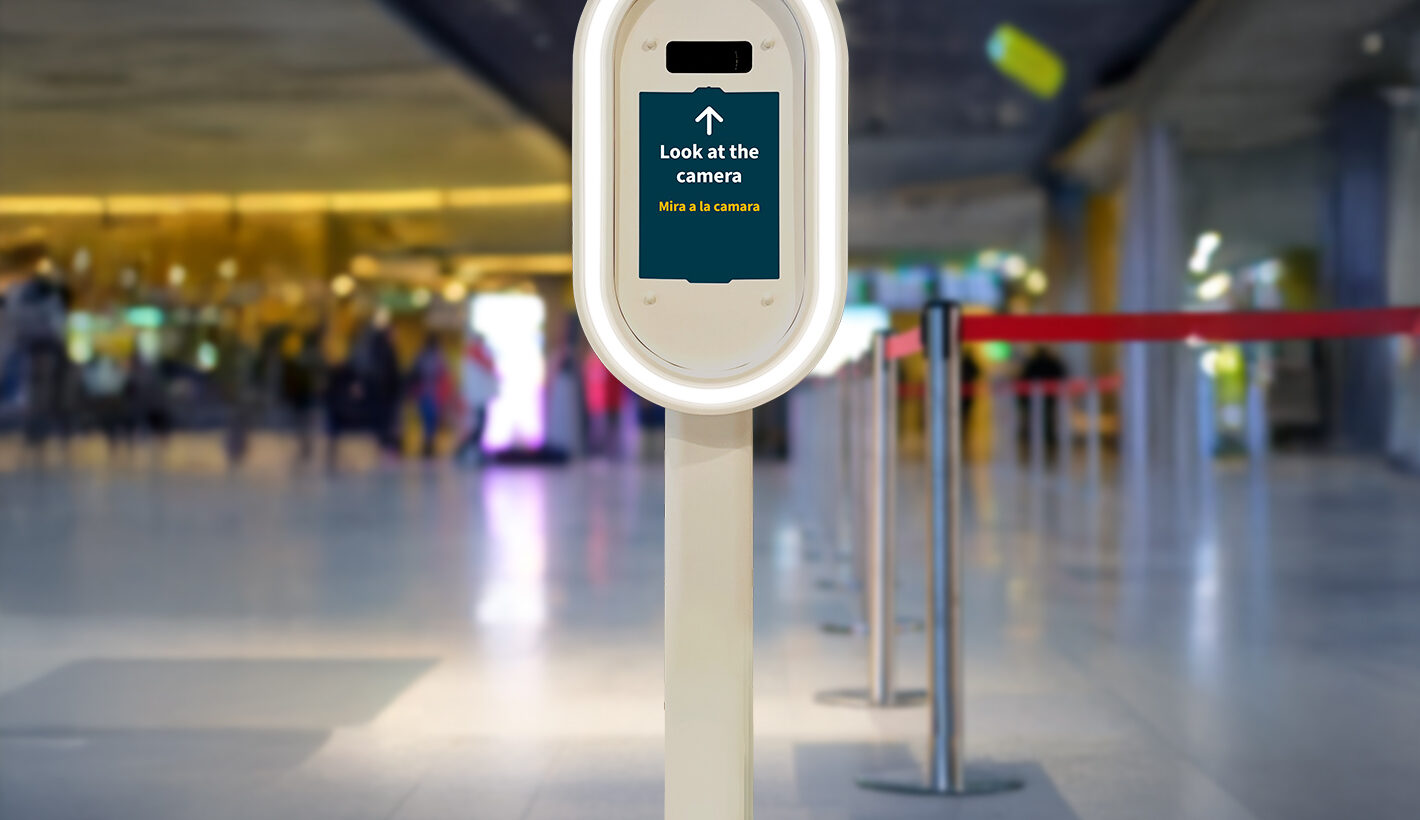
The future of air travel is defined not only by the scale of terminals or the speed of aircraft, but by the efficiency, security and overall quality of the passenger journey. As this focus intensifies, biometric technologies and digital identity management are becoming key components in modern airport operations, enabling more streamlined, reliable and passenger-centric processes. Solutions such as facial biometrics, remote enrolment and digital identity wallets are helping passengers move through departure, arrival and transfer procedures more quickly, while allowing airlines and airport operators to optimise staffing, gate management and resource allocation.
These themes were explored in depth during a recent ACI World webinar moderated by Jean-Sébastien Pard, Senior Manager of Accreditations at ACI World. Industry experts from airports and airlines worldwide highlighted the momentum behind these technologies, along with the operational benefits and implementation challenges they introduce.
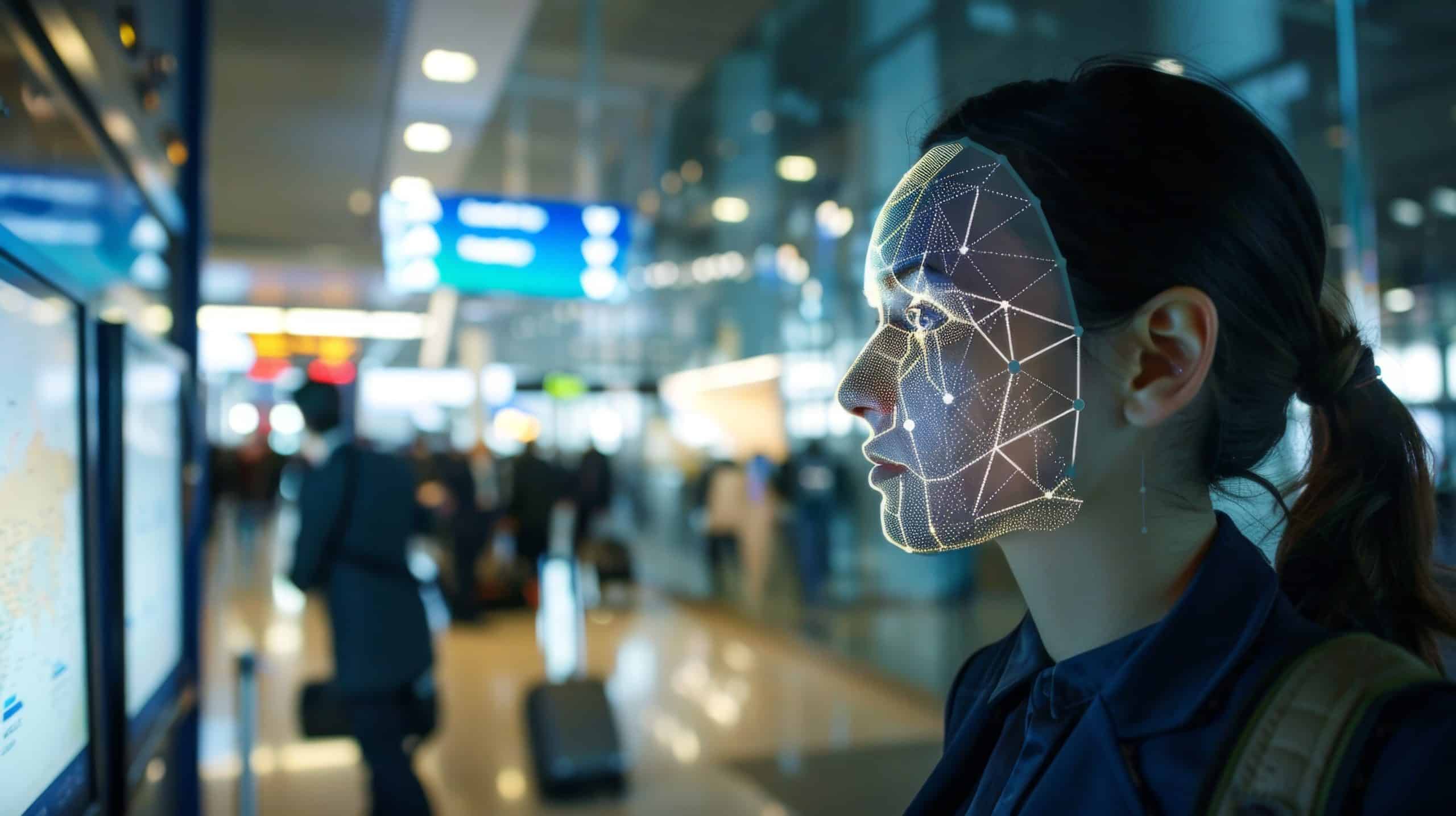
As noted by Derwin Cady, Project Consultant at Vancouver Airport, airports have successfully addressed front-of-house congestion over the past two decades through investments in online check-in, kiosks, self-tagging and automated bag drops. However, new bottlenecks have emerged in transactional areas such as security checkpoints, border control and boarding gates. Derwin therefore argued that the greatest opportunity for biometric technology is to alleviate these pinch points, streamlining passenger flow and enhancing the overall airport experience.
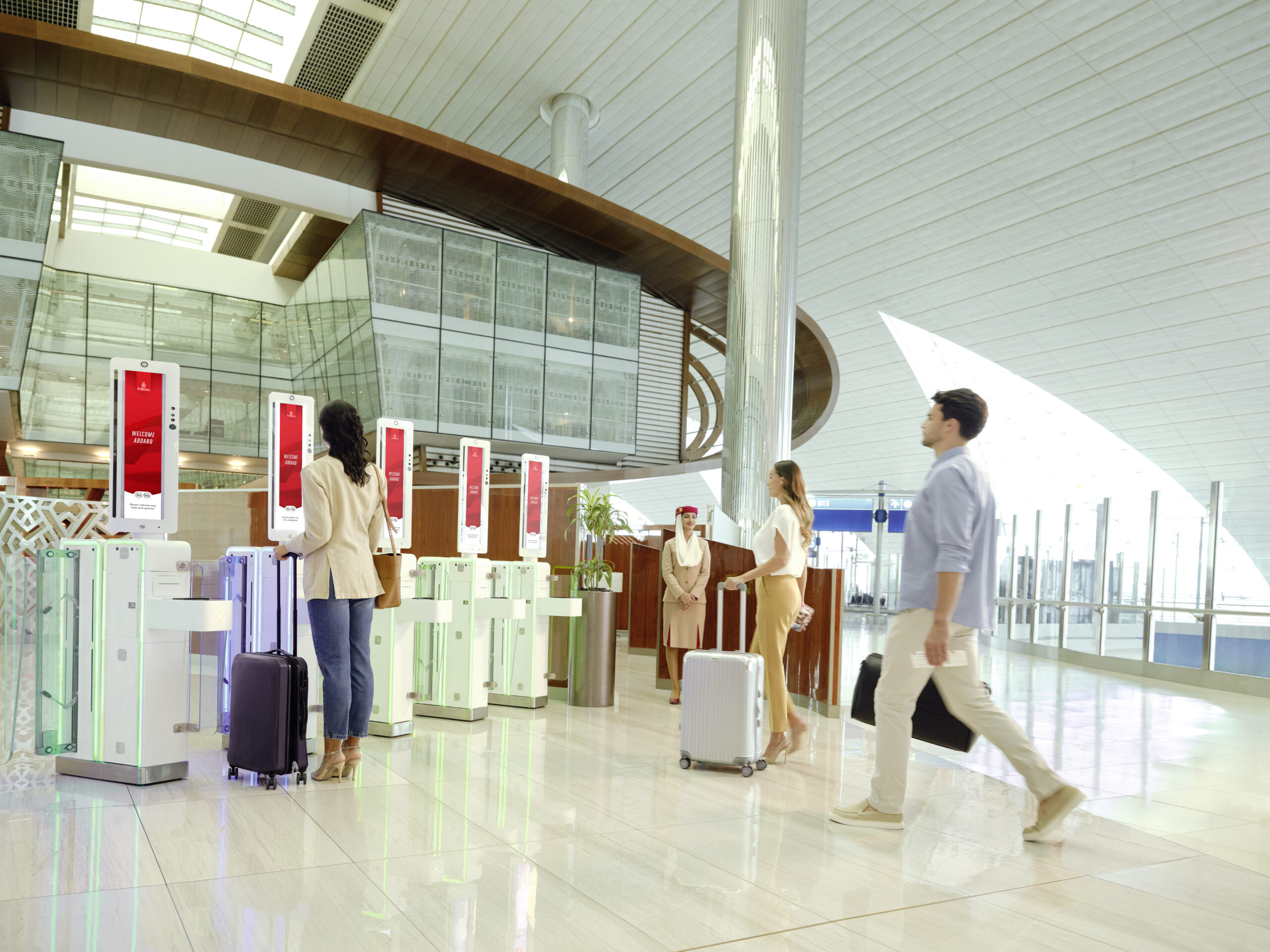
For example, at Dubai International Airport (DBX), the oneDXB initiative has integrated biometric checkpoints across terminals to facilitate seamless passenger flows with hub carriers like Emirates and flydubai. For DBX, this efficiency is particularly vital due to the airport’s rising passenger numbers, which are forecasted to reach 110 million passengers annually. This increase precedes the move to the new Al Maktoum International Airport (DWC), which is being built to better manage a great capacity.
Sami Khouli, Senior Duty Manager, DXB Terminal Service Delivery, Dubai Airports said:We are really having to sweat the assets in terms of capacity and bottlenecks. So we are investing heavily in the seamless journey under the oneDXB initiative to benefit everyone from the airlines to the government authorities to the retailers.
By capturing biometric data at multiple touchpoints, from home pre-enrolment to smart gates at immigration, DBX is reducing queues and enhancing traveller confidence. As DBX acts as a major hub for connecting passengers, a seamless experience helps encourage more passengers to choose to travel with Emirates through Dubai.
Further emphasising the business case for biometrics, Cady noted that airport growth is driven by increased capacity, the ability to attract additional airlines and the accommodation of higher passenger volumes. Biometric solutions support these objectives by enabling faster passenger processing with fewer resources, allowing airlines to operate more flights and expand their networks.
In addition, by reducing queue times, biometrics increase passenger dwell time, thereby strengthening non-aeronautical revenues. By leveraging technology rather than relying solely on physical expansion, airports can achieve higher throughput, improved operational efficiency and stronger financial performance.
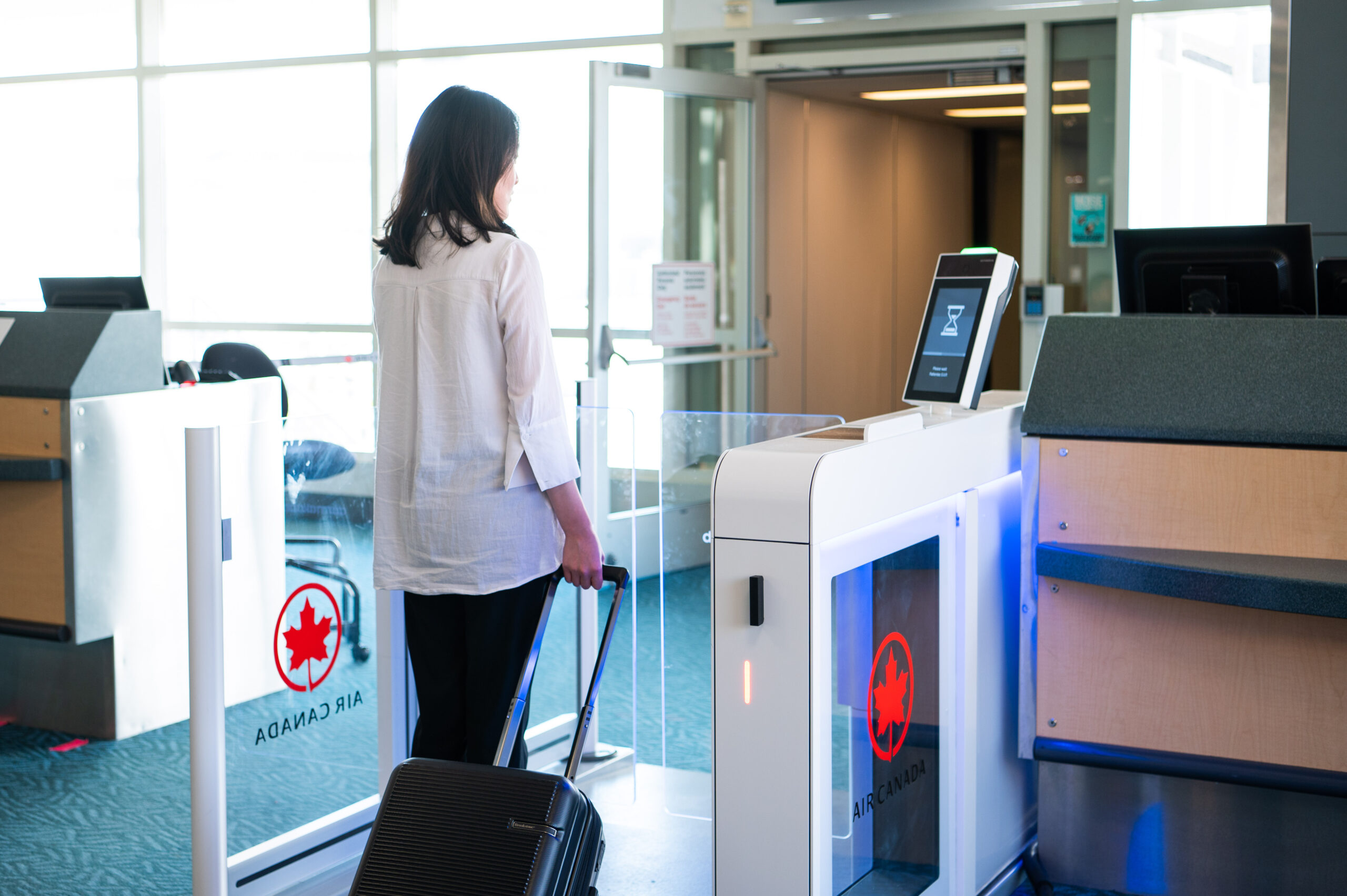
However, deployment of these technologies is not without challenges, with stakeholder alignment remaining critical. Airports often serve as enablers rather than sole decision-makers, so airlines, government agencies and technology providers must coordinate closely to ensure interoperability, regulatory compliance and a consistent passenger experience.
Although airports see the direct benefits from biometrics in increasing capacity and delivering a smoother customer experience, Hasse Joergensen, Head of Customer Self-Service, Digital Identity and Biometric at IAG Group, noted that airlines are more prone to hesitation, especially as many carriers have already invested heavily in automation through self-service kiosks and automated boarding gates. At the boarding gate in particular, Joergensen noted that presenting a face is not yet markedly faster than scanning a boarding pass.
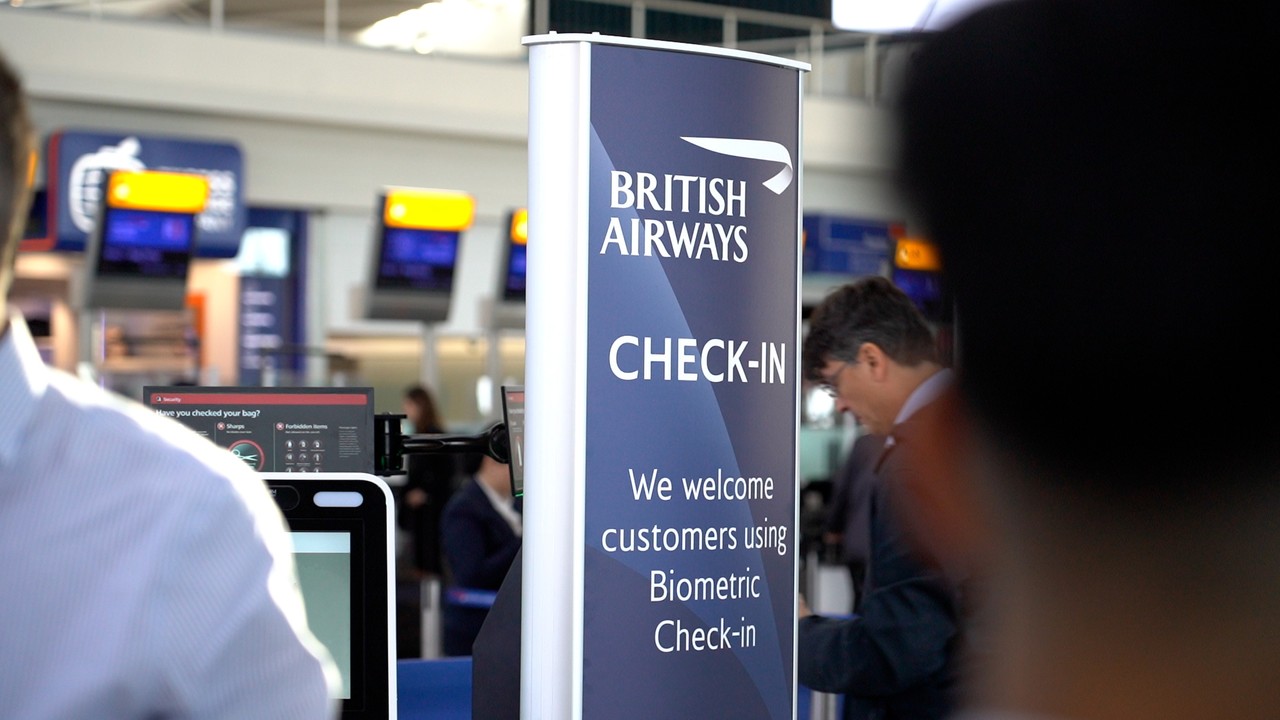
Airlines also face regulatory uncertainties and see a lack of consistent standards across their networks. Joergensen noted that industry-wide adoption may be constrained until more standardised solutions emerge. However, he acknowledged that the rise of digital identity wallets from Apple, Google and the EU does offer a promising platform to harmonise airport, airline and passenger engagement, signalling a potential new era in biometric-enabled travel.
Addressing these challenges, Conor McMeel, Consultant, Spatial & Operational Analytical at Dublin Airport Authority, noted that airline engagement is essential, as they play a critical role in the success of biometric programmes, maintaining the primary touchpoint with passengers. Without airline engagement, even the most advanced airport systems risk underutilisation, since passengers often interact first with airline apps or services rather than the airport itself.
McMeel also highlighted the complexities of a system working for differing airline operations, passenger segments and regulatory jurisdictions: all factors that must be accounted for in a comprehensive biometric strategy. At Dublin Airport, for example, two major carriers, Ryanair and Aer Lingus, have very different passenger products, boarding processes and ancillary services, making a one-size-fits-all biometric solution difficult to implement.
Additionally, airports must navigate multiple regulatory jurisdictions, including EU data protection rules, the UK-Ireland Common Travel Area and US pre-clearance requirements, all of which influence how biometric systems are deployed.
With these complexities in mind, McMeel is working with ACI to develop a biometrics guidebook for airports, which will be published later this year. The Committee is reviewing passenger surveys, airport operator feedback and existing data to assess airport readiness and build the business case for biometrics. The guide aims to provide airports with a practical framework for implementing biometric solutions, considering the unique challenges of different airport sizes, regulatory jurisdictions and the multiple stakeholders involved. By consolidating these perspectives, ACI seeks to empower airports to take a proactive role in shaping the future.
Looking ahead, the industry is entering an era where digital identity and biometrics can advance contactless travel. While fully realised implementations are still emerging, airports that embrace these technologies early and work collaboratively with airlines, governments and technology partners will likely provide superior passenger experiences while optimising operational efficiency.
This article was originally published in the Airport Industry-News magazine.