Aeroportos de Portugal, a subsidiary of VINCI Airports, has announced the submission of its Engineering, Cost and Construction Report for the new Lisbon Luís de Camões airport to the Ministry of Infrastructure and Housing.
The document, which consolidates the results of preliminary design studies (functional program, operational capacity, multimodal connectivity, and long-term structural solutions), was submitted on 16 July.
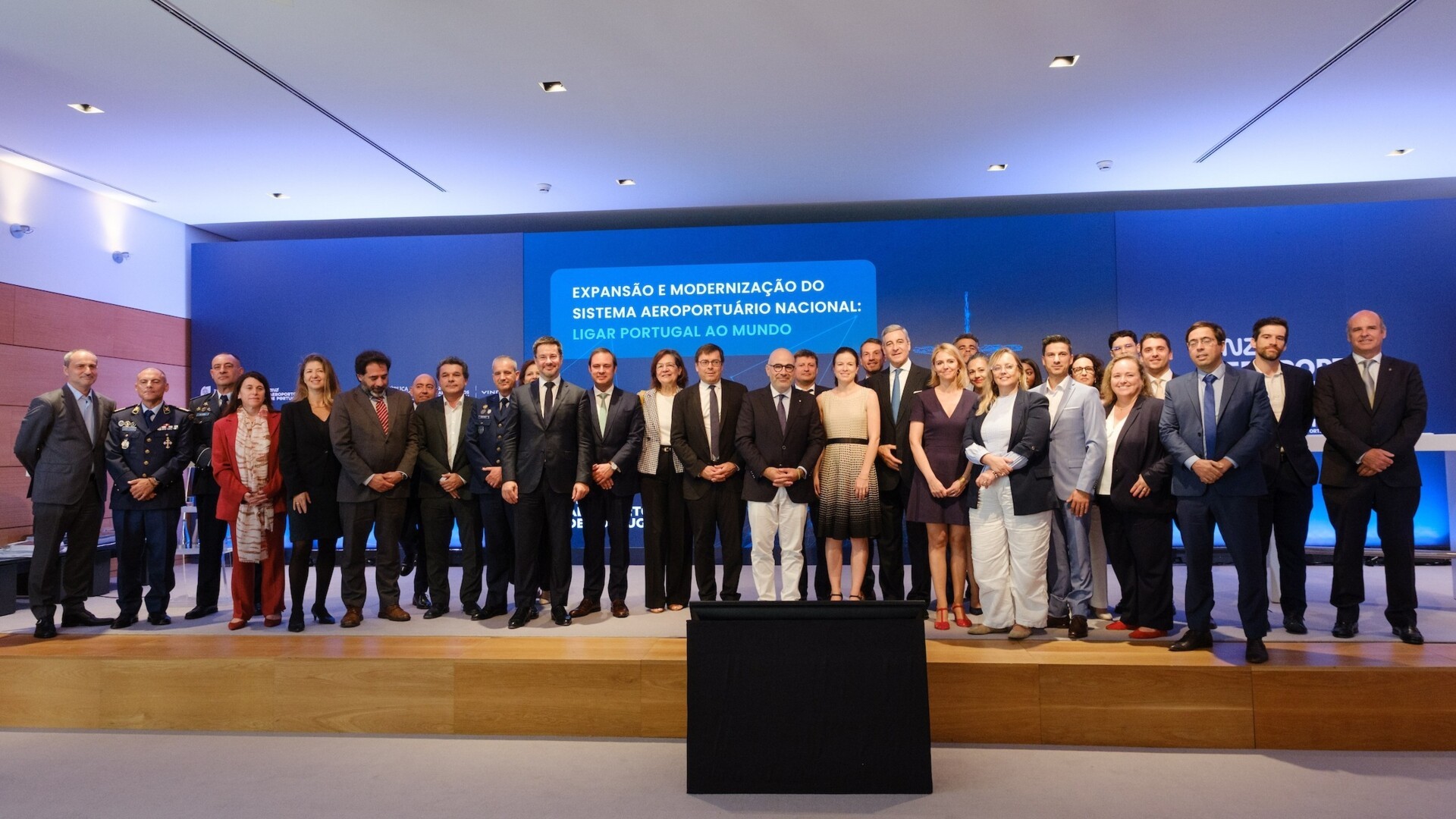
By the conclusion of July, the final Environmental Impact Assessment will be submitted to the Portuguese Environment Agency (APA) and the Government – in accordance with the schedule stipulated in the concession agreement. Once all of these documents have been evaluated, the detailed design and architectural phase of the project will begin.
ANA and VINCI have stated their commitment to the modernisation of airport infrastructure across the Portugese network, including in Libson, where plans will see the installation of a brand-new south pier, renovation of the central pier, south aircraft parking area of Terminal 2, and the border control area.
Designed to serve as an international benchmark, Luís de Camões Airport will combine brand-new technology, operational innovation and environmental sustainability in order to handle 56 million passengers per year upon opening and support the growth of air travel in Portugal for decades to come.
The airport will include two runways, 120 aircraft stands, 194 self-service check-in kiosks, a passenger terminal of approximately 500,000 m², and a slew of technological solutions hoped to both optimise operations and reinvent the passenger experience.
Eventually, the airport will be integrated into a multimodal network, including the third bridge over the Tagus, the high-speed rail network and new road connections, strengthening its territorial connectivity.
Nicolas Notebaert, Chief Executive Officer of Concessions at VINCI and President of VINCI Airports, said:With this significant new development, we are taking a key step in preparing for Lisbon's future airport while continuing to invest heavily in the country's current airport infrastructure.
VINCI Airports thus reaffirms its commitment to putting its expertise, know-how and investment capacity at the service of Portugal's ambitions, by developing modern, competitive and sustainable airport platforms, capable of meeting the growing demand for mobility, supporting economic development and accompanying the country's environmental transition.
Elsewhere, Porto will see a complete rehabilitation of the runway and airport operations control centre, modernisation of the terminal; whilst expansion and modernisation works are carried out in Faro in the Azores and in Madeira.