Anta Scaffolding has been appointed to carry out part of the scaffolding works for the first phase of the expansion of Al Maktoum International Airport in Dubai.
The China-based company has joined the supply chain supporting the airport development, with its work forming part of the underground structural package being delivered by China Harbour Engineering Company (CHEC), a subsidiary of China Communications Construction Company.
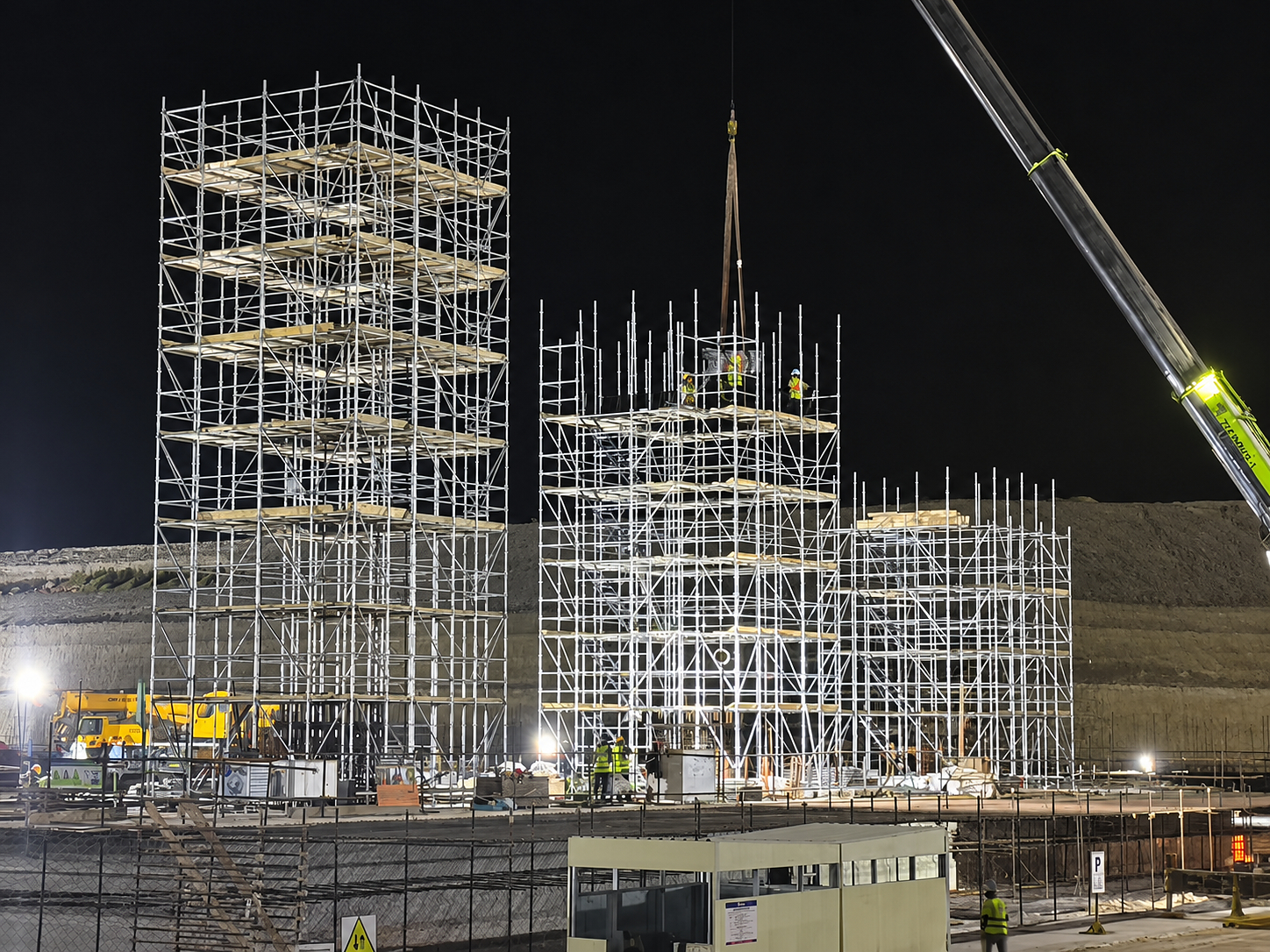
According to Anta Scaffolding, its project team has already been mobilised, with personnel, equipment and materials on site as construction progresses.
The company’s scope includes scaffolding works associated with underground structures, including sections of the baggage handling centre and tunnel network. The scaffolding will provide access and support for construction activities during the delivery of these elements.
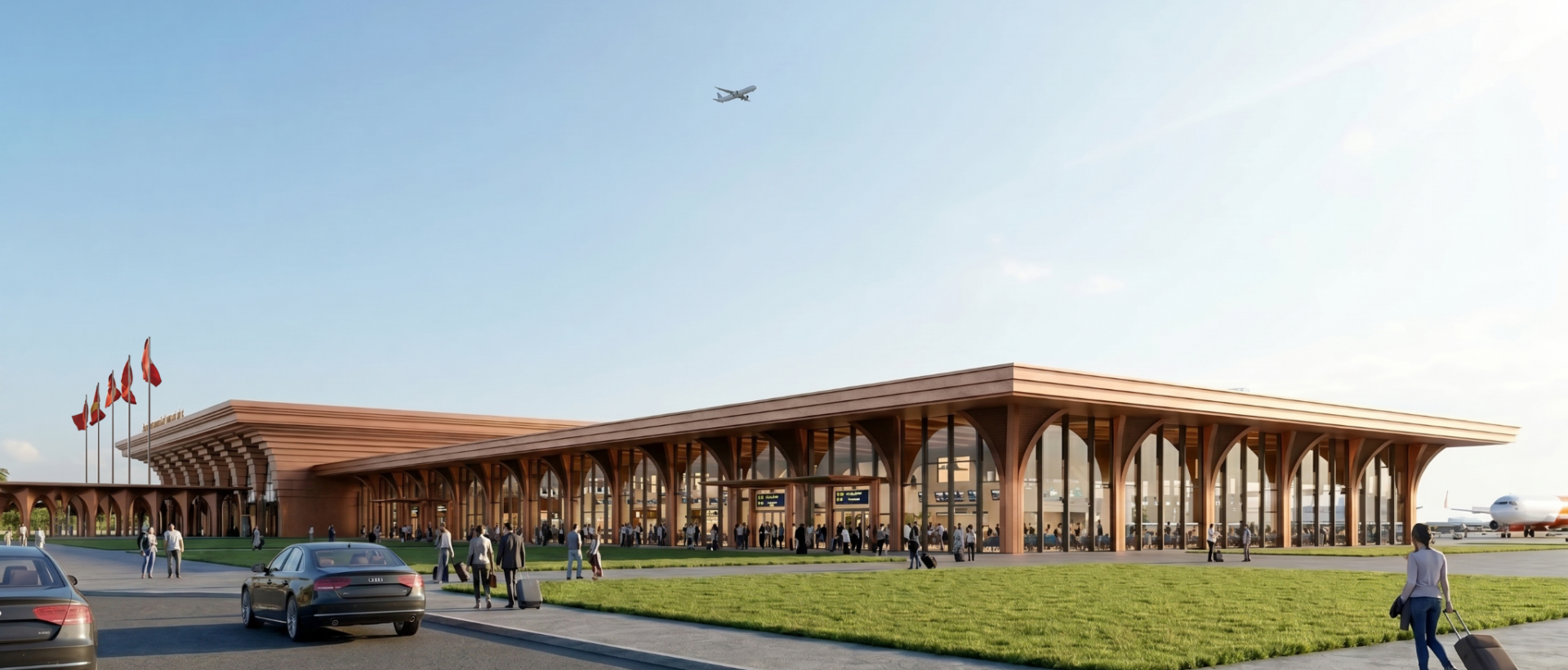
Al Maktoum International Airport is being developed by Dubai Aviation Engineering Projects (DAEP) as part of the wider Dubai World Central programme. Plans for the airport include five parallel runways, five terminal buildings and 400 boarding gates.
Once fully completed, the airport is expected to accommodate up to 260 million passengers and 12 million tonnes of cargo annually.
The overall development is valued at approximately 128 billion AED (35 billion USD), with the first phase scheduled for completion in 2032.
CHEC is leading one of the major infrastructure contracts for the airport’s first phase, with Anta Scaffolding providing specialist support within that package.
Lane Pan, a representative of Anta Scaffolding, said:China Harbour Engineering is one of the main contractors delivering the underground structural works for this project, and we're taking on part of the associated scaffolding works as a specialised contractor. Our project team is already mobilised. Personnel, equipment and materials are on site. This is the kind of project where you get to prove what your engineering experience is actually worth.
Construction is taking place during Dubai’s summer period, when daytime temperatures regularly exceed 45°C. Work schedules have been adapted to comply with the UAE’s seasonal midday outdoor work restrictions, with some activities taking place during evening and overnight hours.