The Federal Aviation Administration (FAA) has announced the completion of an electric aircraft flight test for medical organ transport.
The demonstration was carried out by BETA Technologies and United Therapeutics Corporation in partnership with the Pennsylvania Department of Transportation.
The test was part of the FAA’s Electric Vertical Takeoff and Landing (eVTOL) Integration Pilot Program (eIPP).
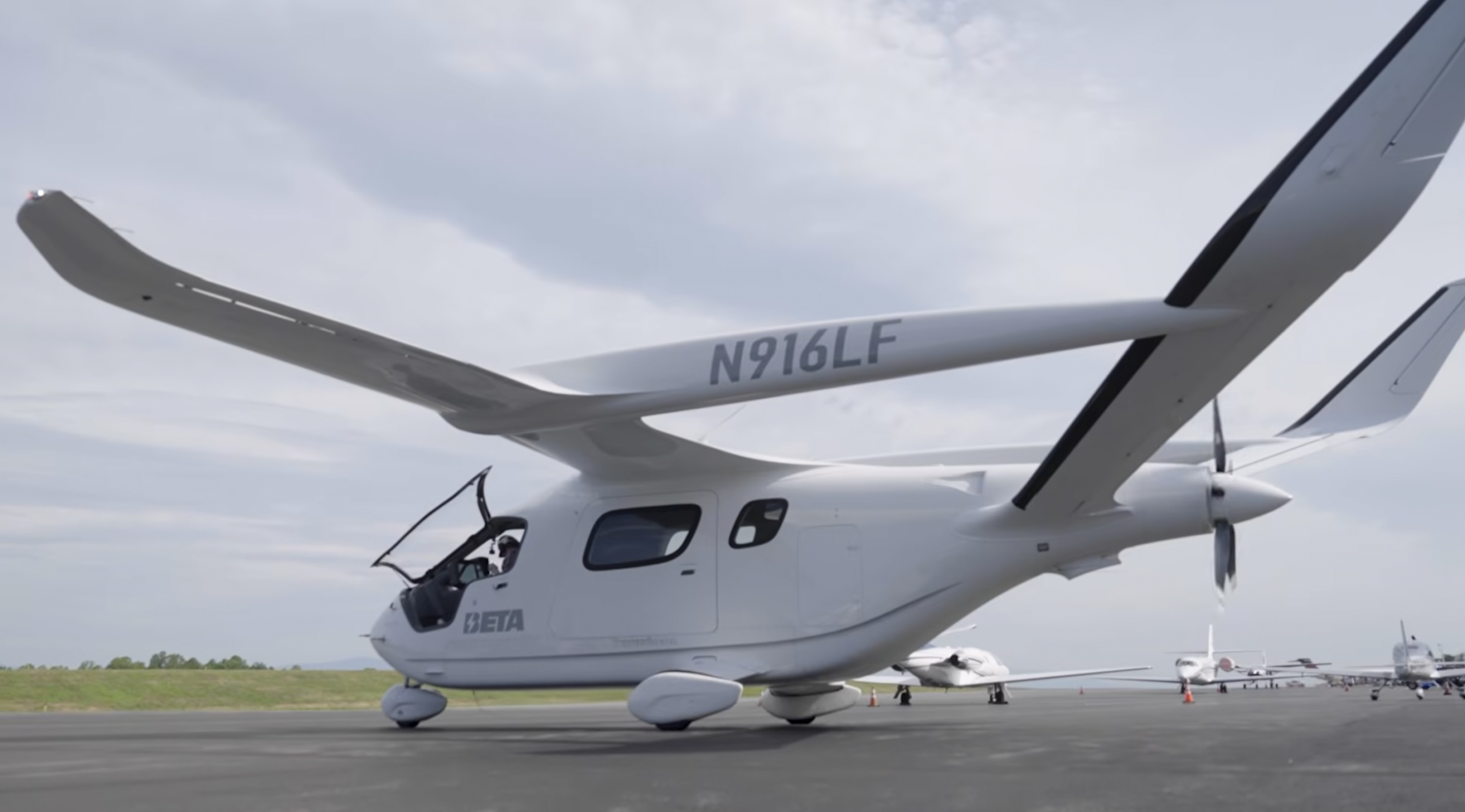
The test assessed the ability of electric aircraft to transport donor organs between multiple locations while maintaining the conditions required for medical use.
FAA Administrator Bryan Bedford said:The eIPP gives us a real-world environment to safely test and integrate the next generation of aircraft into our airspace system. From urban and rural transportation to lifesaving medical and search-and-rescue missions, these aircraft have virtually unlimited potential and we’re grateful for the partnerships that are helping turn that potential into reality.
The flight test used BETA Technologies’ ALIA electric aircraft to transport an animal organ from Virginia to Maryland.
The journey began at Virginia Tech Montgomery Executive Airport before flying to Charlottesville Albemarle Airport, where the organ, stored in a medical preservation container, was transferred to a second ALIA aircraft.
The second aircraft continued the journey via Frederick Municipal Airport before arriving at Martin State Airport near Baltimore.
The objective was to evaluate the reliability of electric aircraft for transporting time-sensitive medical cargo.
This demonstration forms part of the FAA’s Electric Vertical Takeoff and Landing Integration Pilot Program, which was established to evaluate advanced air mobility operations under real-world conditions.
Launched following the US Administration’s executive order on drone and advanced aviation technologies, the programme brings together aircraft manufacturers, operators and state transportation agencies to assess different use cases for electric aircraft.
In March 2026, the US Department of Transportation selected eight pilot projects spanning 26 states to participate in the programme. These projects cover a range of potential applications, including passenger air taxi services, emergency medical operations and cargo transport.
Data gathered during the demonstrations will be used to evaluate operational procedures, identify integration challenges and inform future policy, training and certification as advanced air mobility aircraft move towards wider commercial deployment.