The Australian Transport Safety Bureau (ATSB) has released preliminary reports into four aircraft coordination and conflict occurrences at Sydney Airport during July and August 2026. It has also provided a broader analysis of runway conflictions at major Australian airports.
The four reports form part of six ongoing ATSB investigations examining 11 reported occurrences at Sydney Airport during July and August. The preliminary reports set out the sequence of events and relevant operational and contextual information.
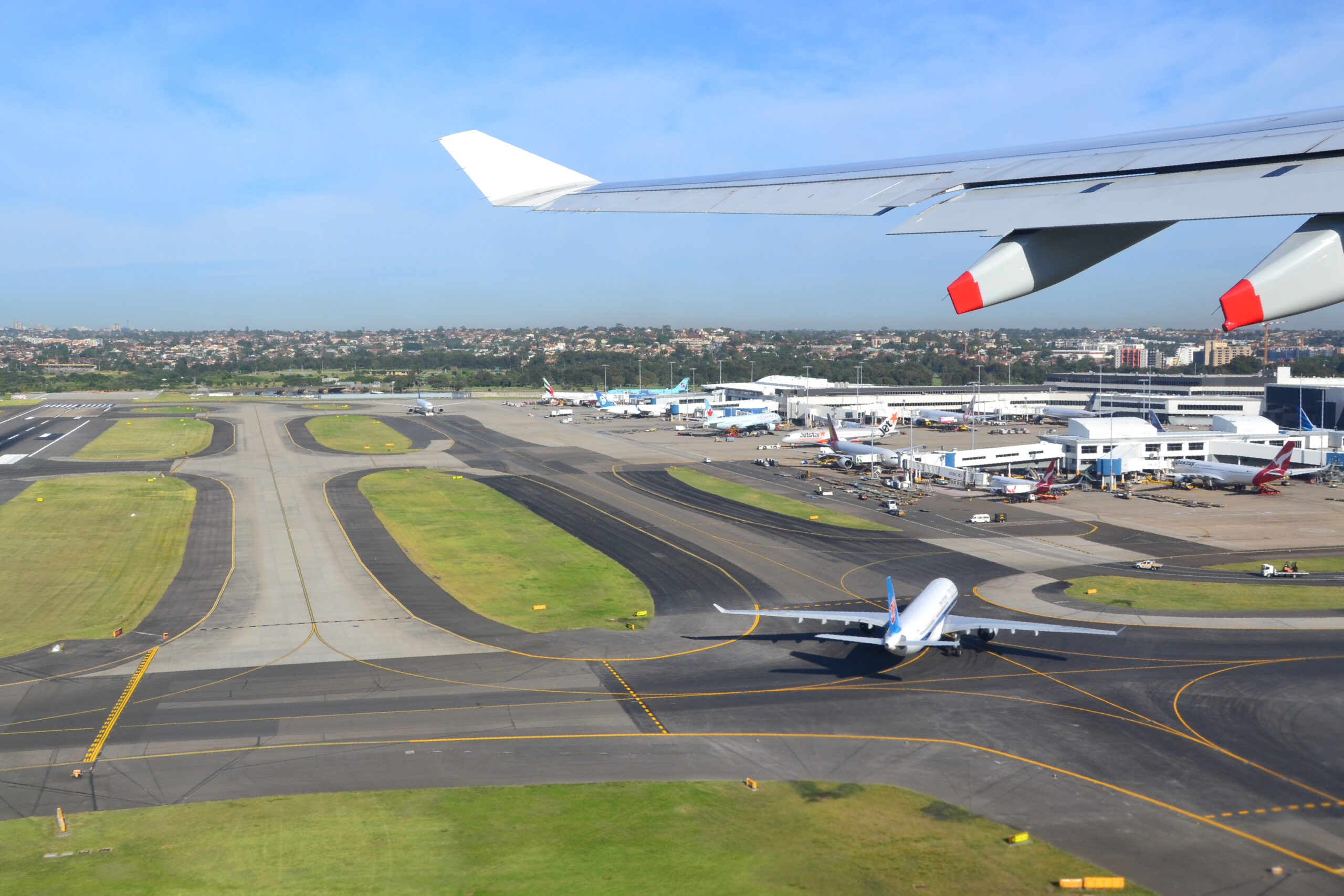
The incidents covered are:
- 27 July: A Qantas Boeing 737 was cleared to cross a runway in front of a QantasLink Dash 8 that was landing
- 9 August: A Jetstar Airbus A320 braked abruptly to avoid a Qatar Airways Boeing 777 being towed. A flight attendant on the A320 fell during the braking and suffered a fractured wrist
- 9 August: A Qantas Boeing 737 was cleared to cross a runway in front of a Virgin Australia 737 that had just been cleared for take-off
- 18 August: A Qantas Airbus A321 braked to allow a Qantas Boeing 737 to pass in front of it while taxiing
The ATSB said staff resourcing within Sydney Airport’s control tower has emerged as a recurring area of enquiry across several of the investigations.
ATSB Chief Commissioner Angus Mitchell said:While air traffic control involvement in each occurrence is still being examined, we can say based on information detailed in our preliminary reports that staff resourcing within Sydney Tower at the time of many of the occurrences has emerged as a recurring area of enquiry.
These investigations will look to understand the significance of staff resourcing pressures within the tower, specifically, the practice of combining operational roles, the routine reliance on overtime to fill shifts, and training or supervision activities being conducted alongside operational duties.
Notably, the ATSB stressed that it has not established that staffing factors contributed directly to any of the occurrences.
The preliminary reports also note that Airservices Australia’s roster modelling had identified elevated fatigue risks among staff at the time of several incidents. An elevated fatigue risk does not, by itself, establish that a controller was fatigued or that fatigue affected their performance. The ATSB said it would examine whether the measures in place to manage the identified risk were effective.
National Data
The ATSB has also published a statistical research report examining ground-based aircraft conflictions at Australia’s five busiest major airports between 2016 and August 2026.
The analysis found that reported ground-confliction rates nationally have remained broadly steady over the decade. Sydney, however, recorded the highest rate per aircraft movement among the major airports in the post-COVID period, at around 20% above the national average.
The ATSB noted that Sydney Airport is also the most complex airport in Australia, which provides important context when comparing the figures. The analysis identified increases specific to Sydney in potentially high-consequence occurrences, including runway incursions, taxiway near collisions and losses of separation attributed to air traffic control actions.
A Sydney Airport Air Traffic Control Working Group, led by the Department of Infrastructure and bringing together Airservices, the Civil Aviation Safety Authority (CASA), airlines, unions and Sydney Airport, has been established to develop a shared understanding of the issues and identify potential solutions.
Airservices is also implementing its own Service Resilience Plan for Sydney Airport.
The ATSB said its role is to examine the evidence independently and identify systemic safety issues rather than apportion blame or liability.
Final reports will contain the ATSB’s findings and the analysis supporting them once each investigation is complete. The bureau said any critical safety issues identified during the investigations will be communicated to relevant stakeholders immediately so that safety action can be taken.