President Donald Trump has unveiled a controversial proposal to begin privatising parts of the Transportation Security Administration (TSA), marking a significant shift in how airport security could operate in the United States.
The plan, outlined in the White House’s 2027 budget proposal, would expand the use of private contractors to conduct passenger screening at certain airports, particularly smaller regional hubs.
The move is framed by the administration as a cost-saving measure and a way to reduce reliance on federal workers amid ongoing staffing and funding challenges.
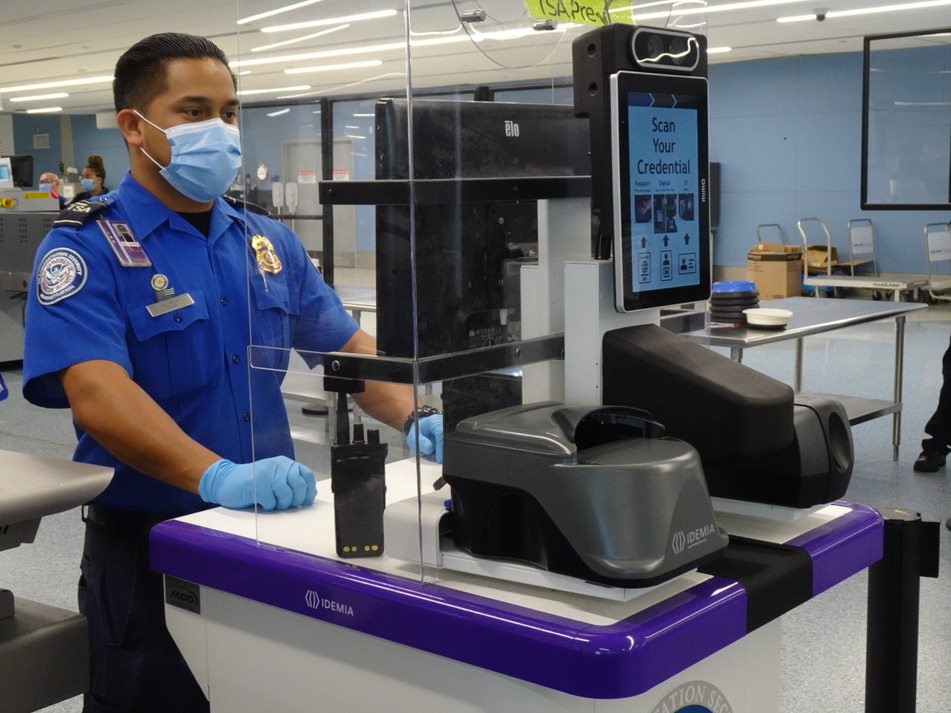
At the core of the proposal is an expansion of the TSA’s existing Screening Partnership Program (SPP), which allows airports to hire federally approved private security companies instead of using TSA employees. Around 20 US airports already operate under this model, and administration officials argue it has demonstrated potential savings and operational flexibility.
Under the new plan, smaller airports would be required to adopt private screening, effectively initiating a broader transition away from a fully federalised system. Officials estimate the changes could save tens of millions of dollars annually.
Workforce Cuts and Security Concerns
The privatisation push is tied to wider proposed cuts to the TSA’s budget and workforce. The administration aims to reduce the agency’s funding by roughly 1.5 billion USD, representing around 20% of the budget and eliminating more than 9,000 positions.
A significant portion of these reductions would come from replacing federal screeners with private contractors. Overall staffing could fall by roughly 14%, according to budget documents, as responsibilities shift to the private sector.
The White House argues that these changes would streamline operations and reduce inefficiencies while maintaining core security functions.
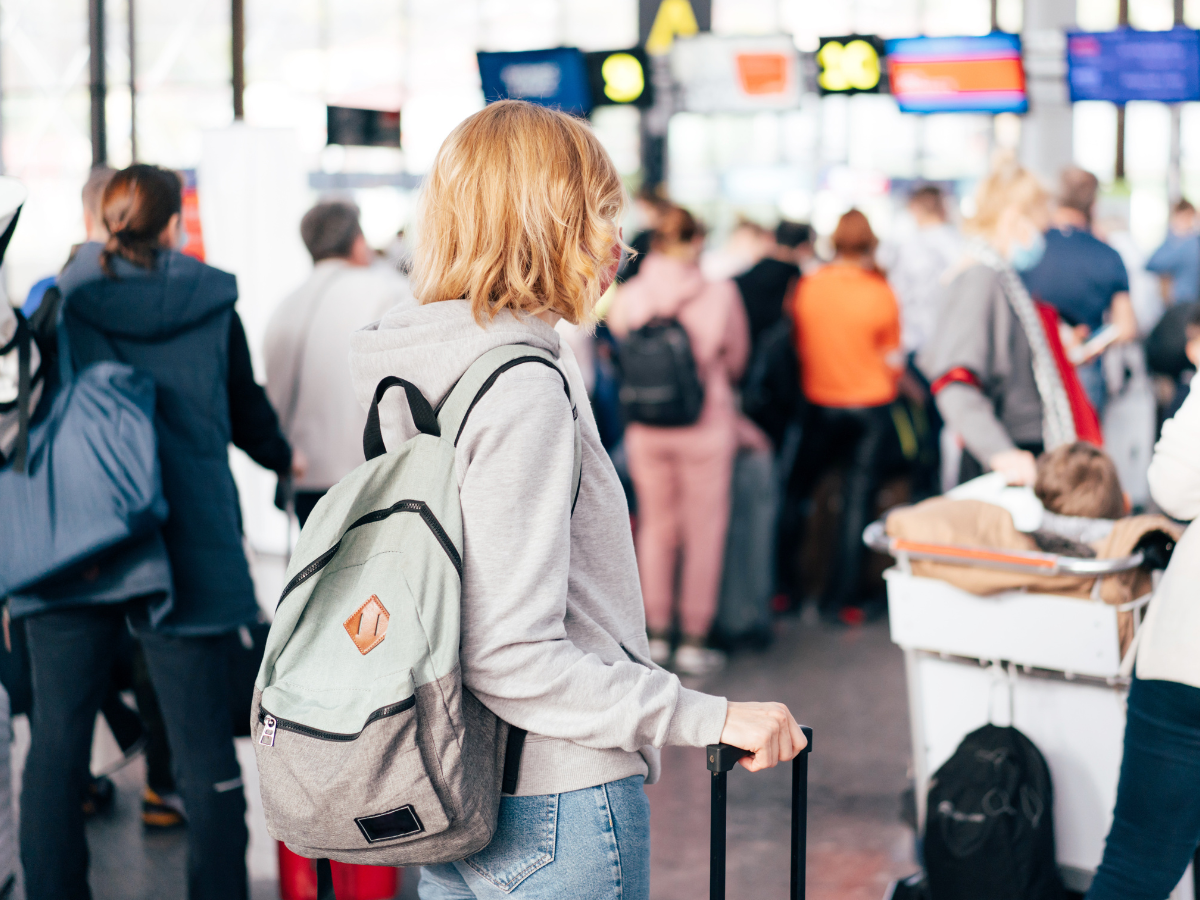
The proposal follows recent disruptions at major U.S. airports during a funding standoff in Congress, when TSA workers went unpaid for weeks. The situation led to widespread absenteeism and long security lines, highlighting vulnerabilities in a federally dependent system.
Supporters of privatisation say a contractor-based model could insulate airport security from political gridlock and funding lapses, ensuring more consistent staffing and operations.
However, the plan has also drawn strong opposition from unions and lawmakers, who warn that privatising security could compromise safety and accountability.
Critics argue that private firms, driven by profit, may cut corners or face higher staff turnover, potentially weakening security standards established after the September 11 attacks, which led to the TSA’s creation.
Union representatives have also raised concerns about job losses and worker protections, particularly for the tens of thousands of federal employees currently staffing airport checkpoints.
The proposal currently remains subject to congressional approval. Lawmakers are expected to debate the budget in the coming months, and significant resistance from both political opponents and labour groups could complicate its passage.
If implemented, the plan would represent one of the most substantial overhauls of US airport security since the early 2000s,potentially reshaping how millions of passengers are screened each year,