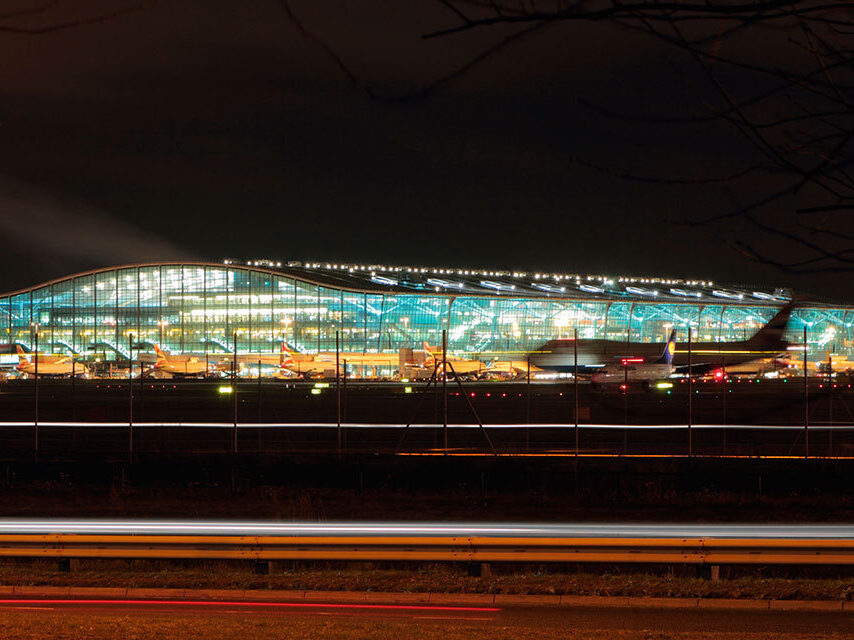
The experts weigh in on the evolution of biometric technology in travel retail and what is to come.
Biometric technology is transforming how people move through airports, shop in travel retail, and interact with brands.
In a recent GTR feature, imageHOLDERS’ Adrian (Ade) Thompson joined industry leaders to discuss how biometrics can shape the next generation of passenger and retail experiences.
One clear theme emerged: accessibility must remain central to innovation and technology should make life simpler for everyone. The challenge is ensuring that convenience, speed, and automation never come at the cost of inclusion.

Accessibility Starts at the Design Stage
Biometric and self-service solutions promise to remove friction from travel. They help passengers board flights more quickly, make purchases without cards, and move smoothly through secure zones. However, these efficiencies only work if every traveller can use them.
At imageHOLDERS, accessibility is built into the design process from the start.
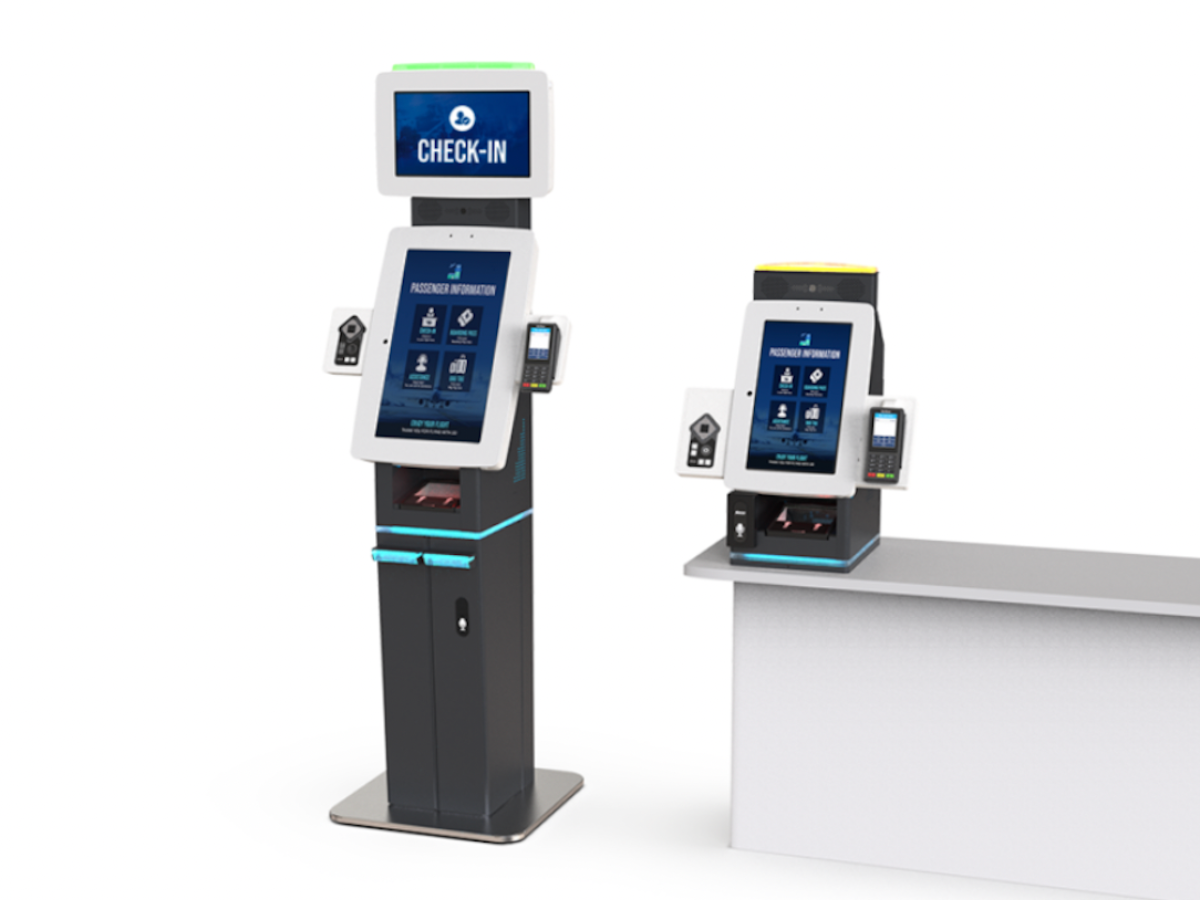
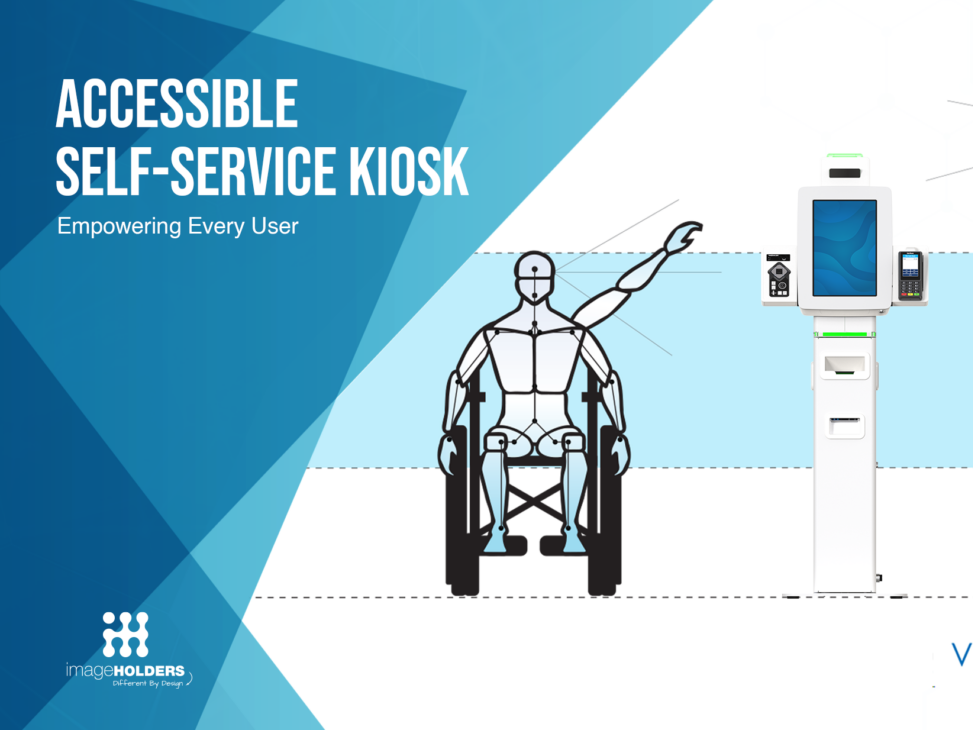
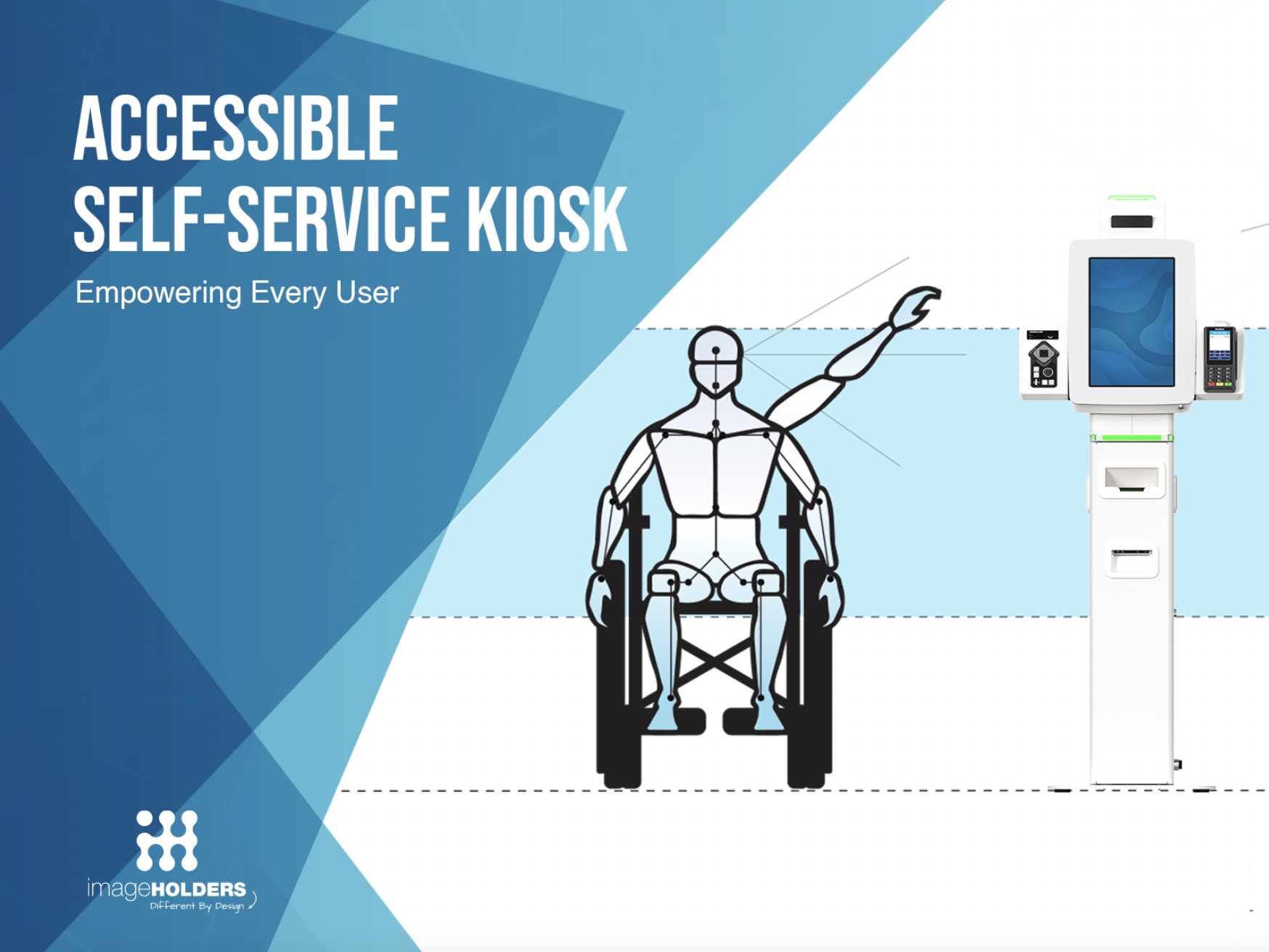
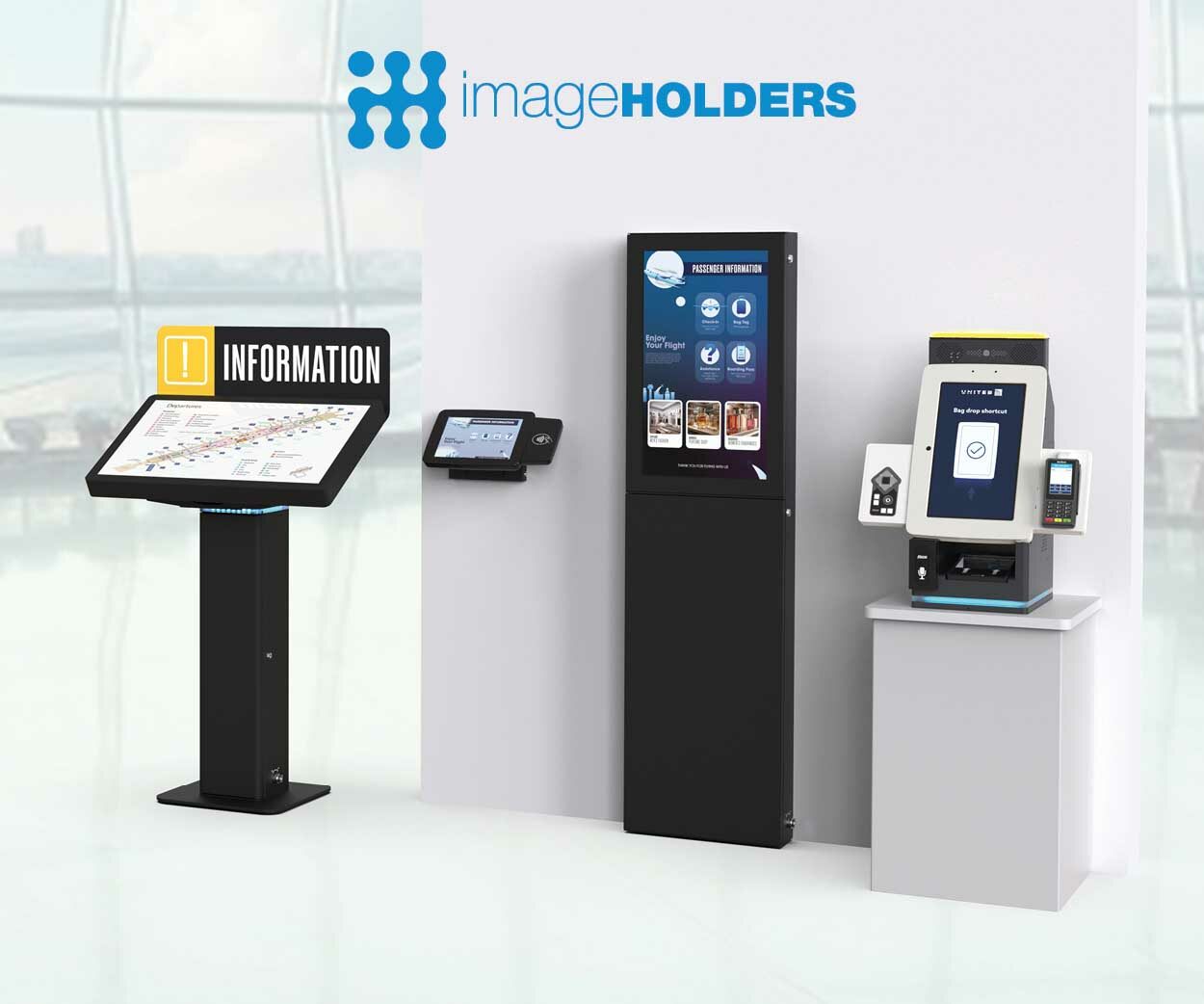
ADA-compliant enclosures, adjustable screen heights, clear tactile feedback, and intuitive navigation are all considered early. Each detail supports users with different physical abilities and ensures compliance with international accessibility standards.
Explore our ADA-compliant kiosk solutions
Integrating Biometrics Responsibly
The rapid adoption of facial recognition, palm scanning, and other biometric tools in travel environments presents both opportunities and responsibilities. Lighting conditions, device height, and the physical space available for interaction can all influence how inclusive a solution is.
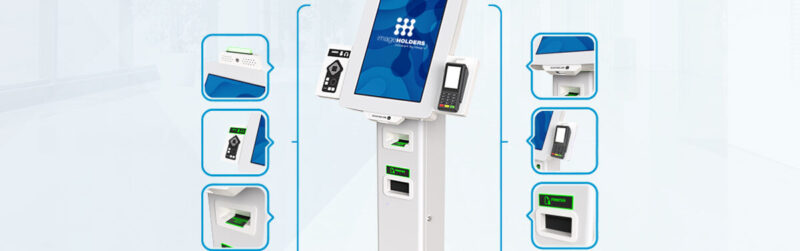
imageHOLDERS addresses this through modular design. Multi-angle camera housings, edge-processing capability, and adaptable mounting allow each installation to work effectively for seated passengers, wheelchair users, or standing travellers. Accessibility is treated as part of system performance rather than an optional feature.
In travel retail settings, these technologies do more than streamline operations.
Adrian Thompson, Founder and Chief Solution Architect at imageHOLDERS says:Biometrics bridge the gap between operational efficiency and elevated customer experience, making it easier to serve passengers at every step of their journey, including within retail spaces.
When applied to kiosk design, the same principle holds true. A well-placed, accessible biometric kiosk not only supports security and identification but also enhances the overall customer journey, creating commercial as well as practical benefits for airports and retailers.
Learn how modular kiosk design supports biometric integration
Designing Out Digital Exclusion
Digital exclusion remains a widespread issue. Some users face physical barriers, while others struggle with technology confidence or device compatibility.
To counter this, imageHOLDERS designs modular kiosks that can include audio prompts, high-contrast displays, and Braille labelling. These features ensure that digital transformation remains inclusive, even as technology advances.
Compliance as a Standard of Good Kiosk Design
ADA compliance should not be viewed purely as a legal obligation. It is a marker of good design that benefits users and operators alike. In airports and retail settings, accessible kiosks reduce queues, speed up transactions, and create positive experiences.
Accessible systems also tend to be more scalable and adaptable, supporting both current and future technology requirements.
Inclusive Biometrics as the Future Standard
The next phase of biometric adoption will depend on how successfully the industry aligns accessibility with innovation. Biometric systems must recognise and support every user, regardless of mobility, language, or confidence with technology.
imageHOLDERS continues to collaborate with airports, retailers, and technology providers to ensure that the evolution of biometric technology remains inclusive, practical, and sustainable.
This article was originally published by imageHOLDERS.