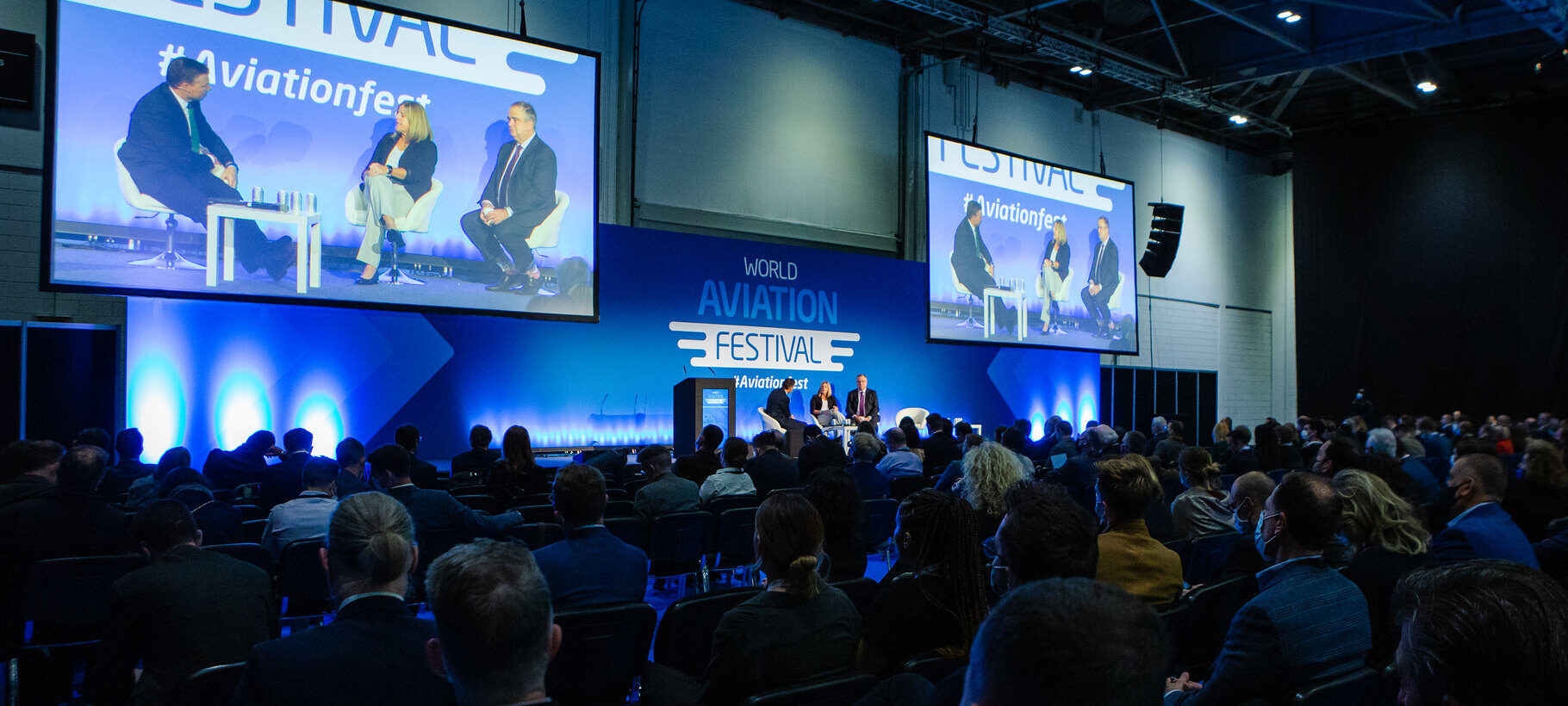
The World Aviation Festival is bringing together airlines, airports and aviation technology companies in Lisbon from 13 to 15 October to discuss the commercial, technological and operational challenges facing the industry.
The three-day conference programme spans 16 tracks, covering subjects including artificial intelligence (AI), airline retailing, revenue management, passenger experience, airport operations and sustainability.
Airline Profitability and Commercial Strategy
A significant part of the programme will examine how airlines can protect profitability while responding to changing customer expectations and operating costs.
Sessions will address revenue management, dynamic pricing, ancillary products and the development of airline retailing. Discussions will explore how airlines can use data and AI to refine pricing, personalise offers and generate additional revenue from products and services beyond flight tickets.
The programme will also consider the future of airline loyalty schemes, including their relationship with commercial strategy and opportunities to expand into travel products such as accommodation.
AI and Digital Transformation
AI and data management feature prominently across the agenda, with sessions examining how airlines can move from individual technology projects towards wider operational deployment.
Topics include AI-assisted decision-making, predictive analytics, data interoperability and the modernisation of legacy IT systems. Speakers will also consider how airlines can establish appropriate safeguards for AI applications and assess whether investments are delivering measurable commercial or operational benefits.
Other discussions will examine the potential role of AI agents in booking, customer service and airline retailing, as well as the importance of reliable data and effective oversight.
Airport Operations
Airport-focused sessions will examine how digital technology can improve operational decisions, resource allocation and passenger journeys.
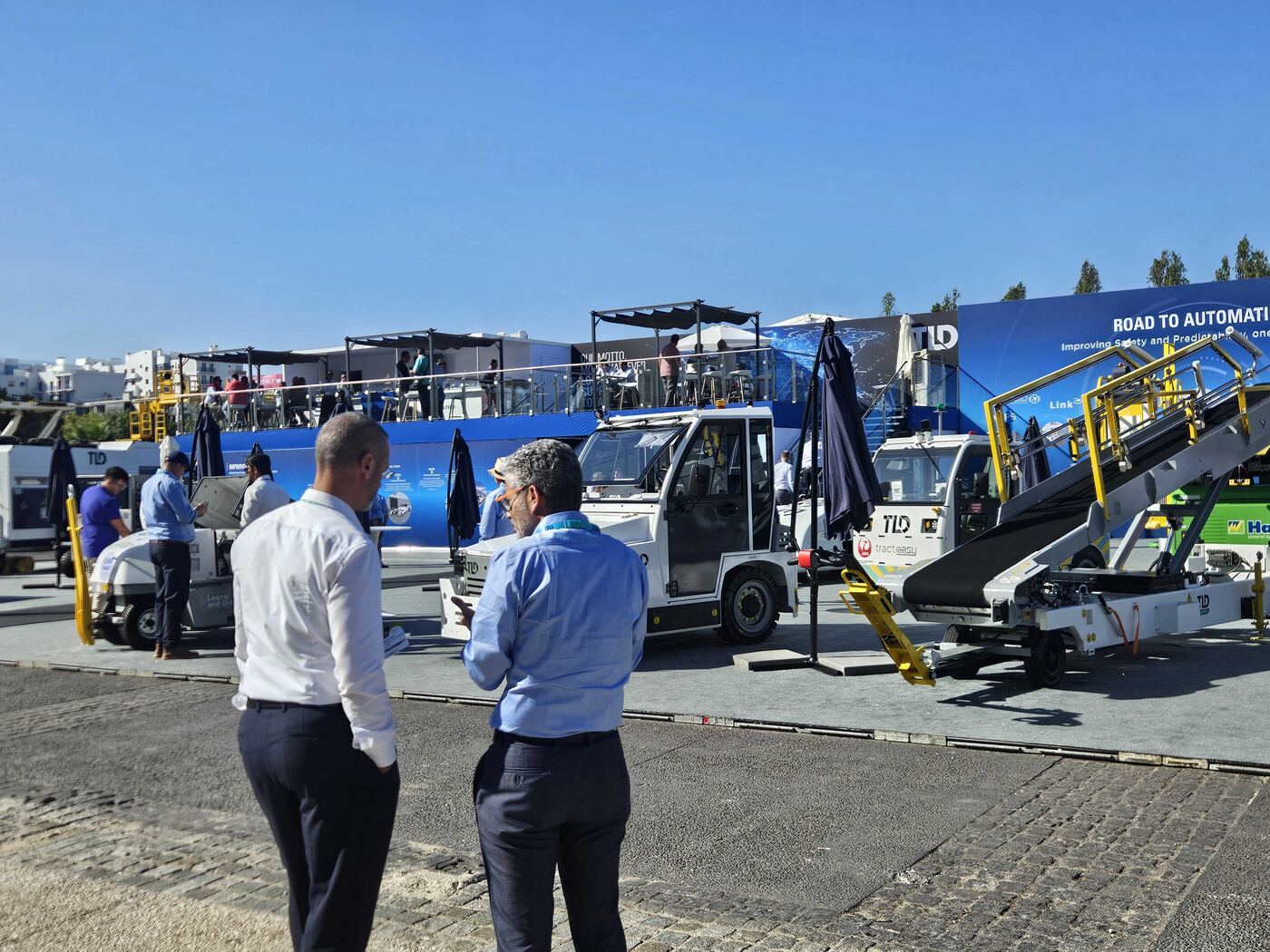
The agenda includes discussions on integrating airport data, improving real-time visibility of operations and moving innovation projects beyond the pilot stage. Ground handling will also feature, with attention to automation, equipment electrification, safety and the coordination of airlines, airports and ground handlers.
Furthermore, sessions will explore how airlines can provide customers with clearer information and more options when flights are delayed or cancelled, including through digital self-service tools and improved disruption management.
The programme will also consider how closer collaboration between airlines and airports could improve capacity utilisation, operational efficiency and the passenger experience.
Sustainability
Sustainability discussions will examine how airlines can reduce emissions while remaining commercially competitive. The programme includes sessions on operational efficiency, digital fuelling processes and the potential for technology to support emissions reductions.
The wider future of aviation will also be considered through discussions on airport development, innovation partnerships and emerging mobility technologies.
Meanwhile, a session on the future airport will examine how airports are evolving beyond transport infrastructure, including their roles as commercial, mobility and community hubs. Speakers will consider how automation and digital services can be introduced while retaining the human element of travel.
The programme also includes a discussion of Portugal’s role in the future aviation ecosystem, covering Clean Aviation, advanced air mobility and maintenance, repair and overhaul (MRO).
Across the three days, the conference will address how airlines and airports can use technology, partnerships and changes to their commercial models to respond to operational pressures, improve customer experience and identify new sources of growth.