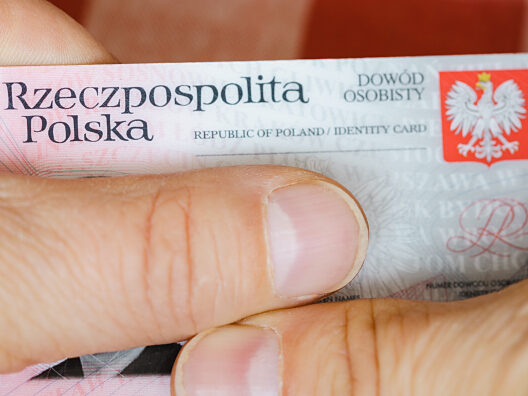
Border control has long relied on physical documents and manual inspection to verify identities. But as traveler volumes rise and fraud tactics become more sophisticated, many agencies are questioning whether traditional identity verification methods can keep pace with modern border demands.
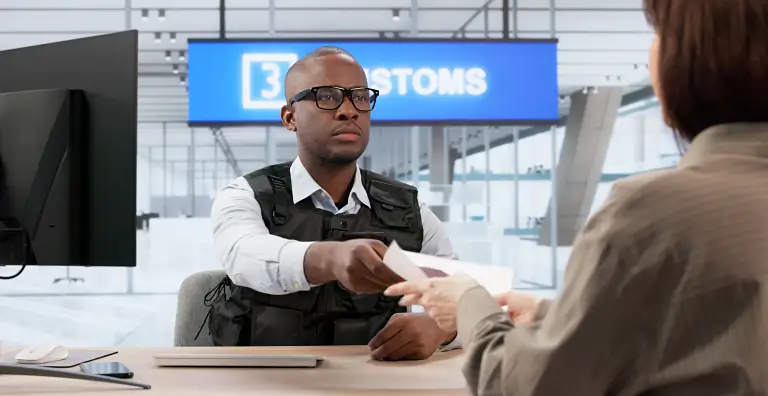
This challenge is driving a fundamental shift in border management.
Identity verification is no longer viewed as a checkpoint process. It is becoming a critical layer of border transformation that helps agencies strengthen security, improve operational efficiency and support trusted decision-making in high-throughput environments.
Biometric Identity Is the Foundation
At the center of this transformation is biometric identity.
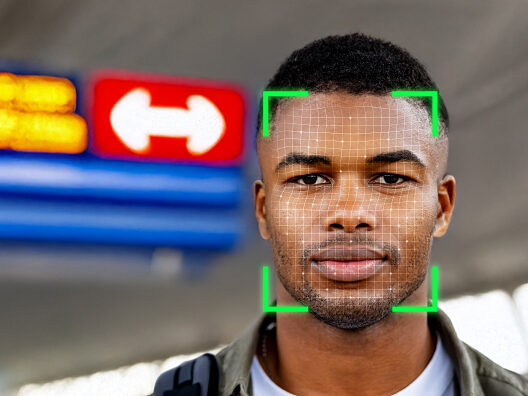
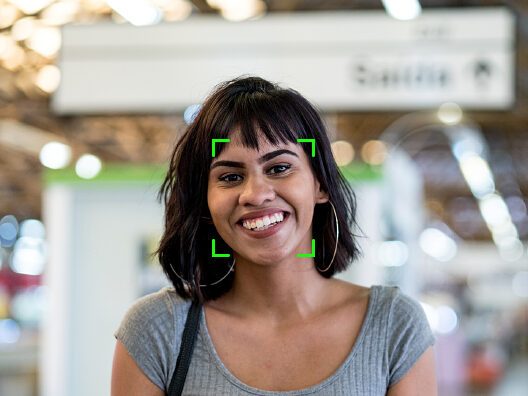
Unlike physical credentials, biometrics establish a direct link between a traveler and a trusted identity. Facial recognition, in particular, enables agencies to verify identities quickly and securely across officer-led inspections, self-service kiosks and automated border control gates.
But for border agencies, deploying biometrics is only part of the equation. Performance matters — biometric identity verification must support real-world operations.
Border control is a mission-critical environment where even small performance gaps can have a significant impact on security and traveler experience. Biometric systems must perform consistently across diverse traveler populations, varying environmental conditions and high-throughput settings.
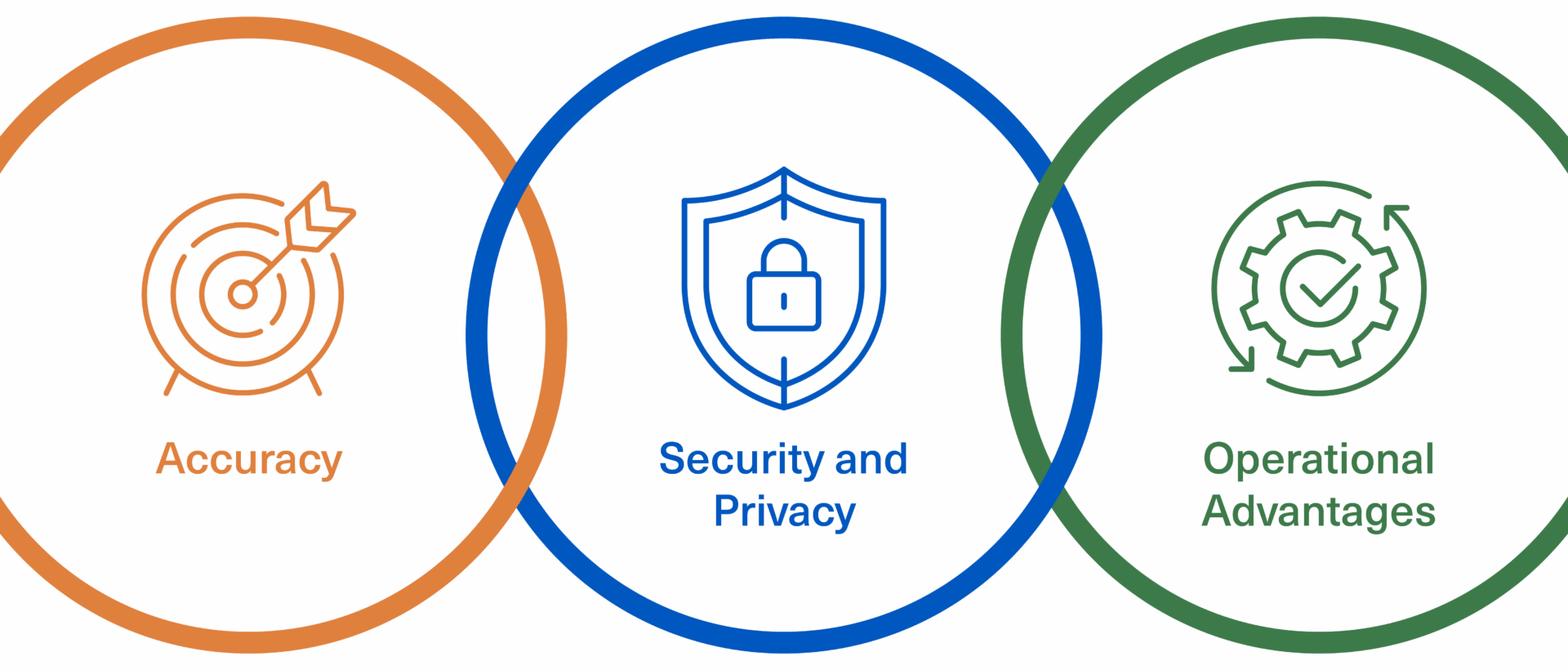
As biometric identity becomes more deeply embedded in border infrastructure, accuracy, reliability and resilience are becoming just as important as speed and convenience.
Regulation Is Accelerating Adoption
Government modernization initiatives are helping accelerate the adoption of biometric identity technologies.
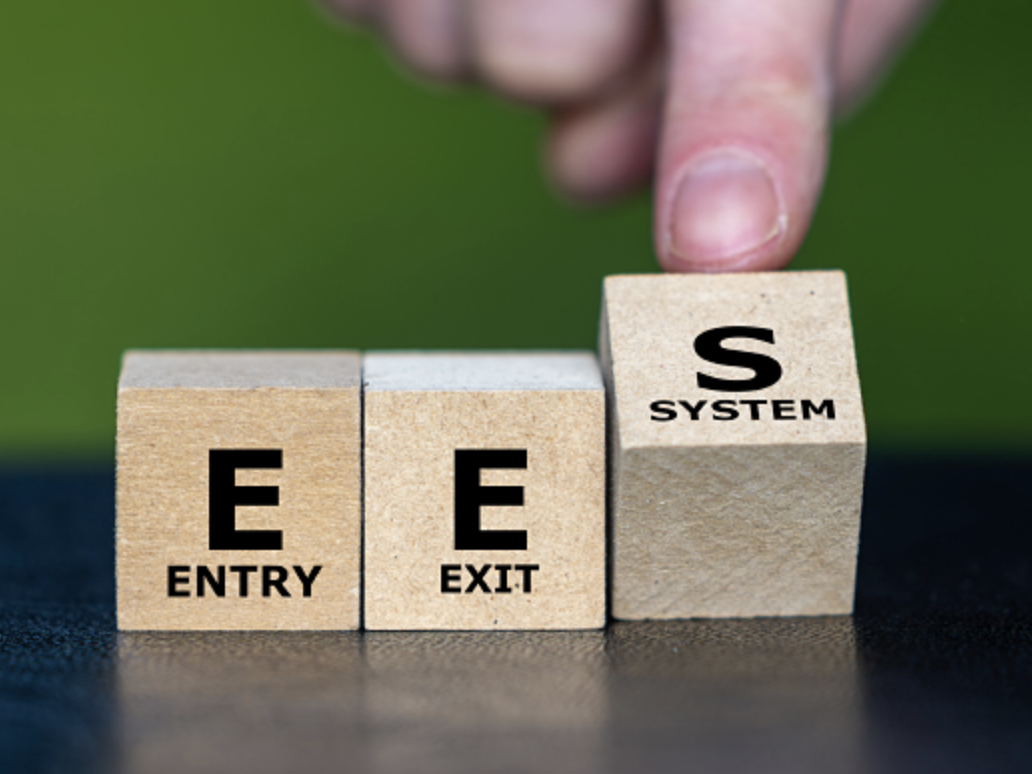
One example is the European Union’s Entry/Exit System (EES), which replaces manual passport stamping with digital records based on facial images and fingerprints. As programs like EES move from vision to operational reality, biometric identity is increasingly becoming a core infrastructure of border management. The shift demonstrates how biometric verification is moving from innovation projects to operational and regulatory requirements.
Privacy and Public Trust Remain Essential
As biometric identity becomes more widely adopted, data privacy and public trust remain critical considerations.
Biometric identity relies on sensitive personal information, making data security, transparency and regulatory compliance essential to long-term success. Travelers need confidence that their biometric data is protected, used only for authorized purposes and managed in accordance with applicable privacy regulations.
For border agencies, building trust involves more than deploying new technology. It requires demonstrating that biometric identity programs can strengthen security while protecting individual privacy rights.
Success Story: Frictionless Border Crossing in a High-Throughput Environment
The value of biometric identity verification is already being demonstrated in real-world border operations.
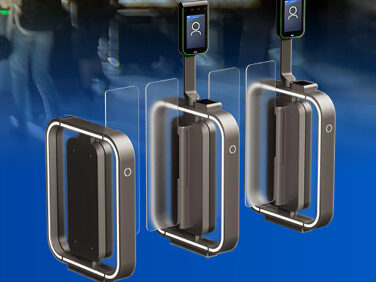
At Batam Center, one of Southeast Asia’s busiest international seaports, Indonesia Immigration and Seaport Authorities implemented an automated border control solution that combines identity document reading with facial recognition technology. The eGate system enables travelers to complete verification in seconds while enhancing border security and reducing reliance on manual inspection.
The deployment demonstrates how biometric identity can help agencies improve throughput, strengthen identity assurance and support modernization goals without compromising security.
Building the Future of Border Identity
The future of border identity is being shaped by more than technology innovation alone. It is being driven by increasing traveler volumes, evolving security threats, regulatory pushes and growing expectations around data privacy.
As biometric identity becomes more deeply embedded within border infrastructure, agencies have an opportunity to improve identity assurance, support operational efficiency and prepare for the next generation of border management.
Additional Resources:
- Explore how biometrics are transforming air travel
- Learn more about HID facial biometrics
- Stay updated — subscribe to the HID Biometric Beat monthly eNewsletter
Frequently Asked Questions
1. What Is Biometric Identity Verification at the Border?
Biometric identity verification uses unique physical characteristics, such as a person’s face or fingerprints, to confirm that an individual matches a trusted identity record during border processing.
2. Why Are Border Agencies Adopting Biometric Identity Technologies?
Biometric identity helps agencies improve identity assurance, reduce manual inspection workloads and support more efficient traveler processing in high-throughput environments.
3. What Is the European Union Entry/Exit System (EES)?
The EES replaces manual passport stamping with digital records supported by biometric data, including facial images and fingerprints, helping modernize border management across participating European countries.
4. How Can Border Agencies Balance Biometric Security and Privacy?
Building public trust requires secure handling of biometric data, transparent policies, regulatory compliance and clear communication about how personal information is collected, stored and used.
5. Why Does Biometric System Performance Matter in Border Control?
Border operations are mission-critical — even small performance gaps can have a significant impact on security and traveler experience. Biometric systems must deliver accurate and reliable identity verification across diverse traveler populations, varying environmental conditions and high-volume processing environments.
This article was originally published by HID Global.