Growing passenger demand is putting pressure on airport capacity, operations and security. Continuous passenger flow offers a path forward, and biometric eGates are helping make it a reality.
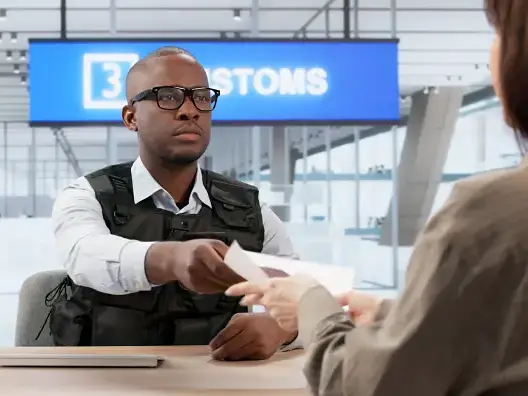
Although airports have heavily invested in technologies that reduce manual processing and improve passenger flow, traveller’s journeys continue to be interrupted by a series of identity checks that require them to stop, present credentials and wait for their identity to be verified and approved before proceeding.
While these processes have become an accepted part of air travel, they continue to constrain airport capacity and create bottlenecks that affect operational efficiency and the passenger experience.
Why Continuous Passenger Flow Matters
Airports are, at their core, systems of flow. Every terminal is designed on the assumption that passengers move steadily from curb to gate, and any interruption to that flow carries consequences well beyond the queue where it occurs. Delays compound: a hold-up at one checkpoint ripples into congestion at the next, which can then lead to missed connections and knock-on delays across a network of dependent flights.
The value of removing these interruptions extends far beyond shaving a few seconds off processing times. Flow determines how much passenger volume a terminal can absorb without expanding its physical footprint, and air travel is at a record high. In the US, for example, the Transportation Security Administration (TSA) screens approximately three million travellers every day, and forecasts that number to rise to four million in the next few years.
As passenger numbers continue to climb, airports face mounting pressure to increase throughput without continually expanding infrastructure — and continuous passenger flow helps make that viable.
Passenger flow influences more than operational efficiency. A smoother journey reduces traveller stress and provides passengers with more time to spend in retail and dining areas. For airports increasingly measured on both throughput and customer satisfaction, that matters.
Most importantly, continuous passenger flow reframes how airports think about identity verification. Rather than treating it as a checkpoint, identity becomes an integral part of the airport journey. This shift — from stop-and-check to verify-in-motion — is what sets the stage for biometric eGates and walkthrough verification.
The Rise of Walkthrough Verification
The next evolution of passenger processing is not about making stops faster, but eliminating them altogether by making identity verification a natural part of passenger movement.
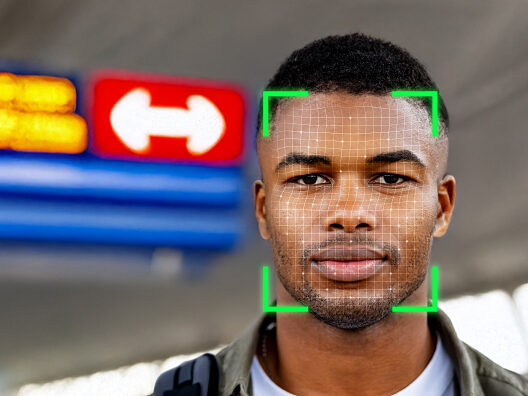
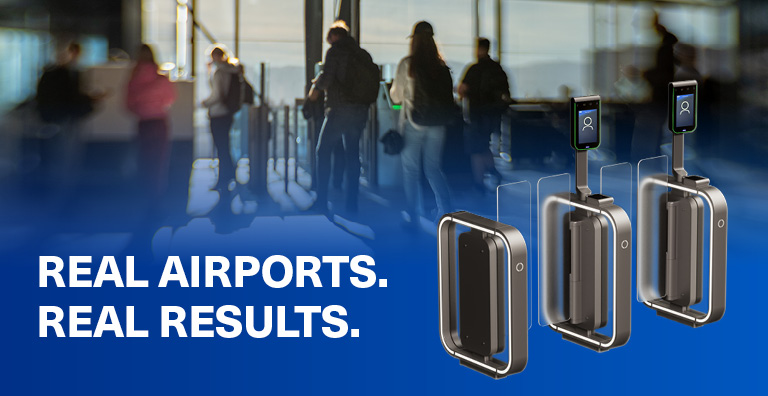
This is where biometric eGates represent a significant evolution, as they integrate identity verification and authorisation into the passenger journey. Rather than stopping at a podium and interacting with an agent, the passenger approaches the gate where their identity is verified in less than five seconds via a quick face scan, and access is granted as part of moving through the checkpoint.
This ‘walkthrough verification’ model will make the biggest difference at security checkpoints, immigration and border control, and boarding gates — airports’ high-volume touchpoints where every traveller must be verified. Because these touchpoints are repeated thousands of times each day, even the smallest improvements can have a significant impact on throughput, capacity utilisation and traveller experience. Organisations have reduced boarding times by up to 30%, verified identities up to 5x faster and reduced staffing requirements at high-volume checkpoints.
Identity Is Security
Biometric eGates do more than improve efficiency — they can act as a security force multiplier. Automating routine identity verification allows personnel to focus on higher-value security activities, including managing exceptions, secondary screenings, and responding to potential security concerns.
That focus matters more than ever. As AI makes it easier to produce deepfakes, synthetic identities and increasingly convincing impersonation attempts, trusted identity has become foundational to national security. The ability to verify that a traveller is genuinely who they claim to be — in real time, with high assurance — is essential to protecting critical infrastructure, transportation systems and the travelling public. Identity is security.
Automated biometric eGates also promote greater consistency across checkpoints while reducing opportunities for human error. In high-volume environments, humans inevitably experience fatigue that can affect performance. Trusted biometric matching can strengthen confidence that the right traveller is accessing the right area at the right time.
Proof in Practice
The impact is already being demonstrated in operational environments. By implementing biometric eGates across major U.S. airports, one leading secure identity company helped airports unlock significant operational gains — adding capacity for approximately 50,000 additional travelers per day, increasing TSA labor efficiency by up to 25%, and boosting traveler satisfaction scores by 14 points through a faster, more seamless walkthrough verification experience.
Over in Indonesia, at the international seaport at Batam Center, biometric eGates have helped increase efficiency, shorten passenger wait times and reduce manual workloads for immigration officers.
Silmy Karim, Director General of Immigration in Indonesia, said:Wait queues are now drastically decreased and passengers are empowered by the fast and convenient self-service process that has them on their way in a matter of seconds. The system verifies travellers when scanning their passports and immediately matches passport data with their e-VoA, e-Visa or visa-free data. Not only does it make inspection easier and faster, it also prioritises state security by connecting the crossing system with the Interpol database and other deterrence databases.
A Shift in Passenger Processing
Passenger growth will continue to outpace airports’ ability to add space, staff and infrastructure.
Continuous passenger flow represents a new approach to passenger processing. Biometric eGates and walkthrough verification are already showing how trusted identity verification can be embedded into the passenger journey rather than interrupting it.
As the industry looks ahead, the airports best positioned for growth will be those that design around passenger movement rather than checkpoints.
This article was originally published by HID Global.