The International Air Transport Association (IATA), Civil Air Navigation Services Organisation (CANSO), and Airports Council International (ACI) have announced the launch of a joint initiative that seeks to reduce the risk of runway incursions.
Officially defined as an aircraft, vehicle, or person being incorrectly present on a runway or within its protected area; any and all incursions are documented in the IATA’s Annual Safety reports – with several recent incidents having been fatal.
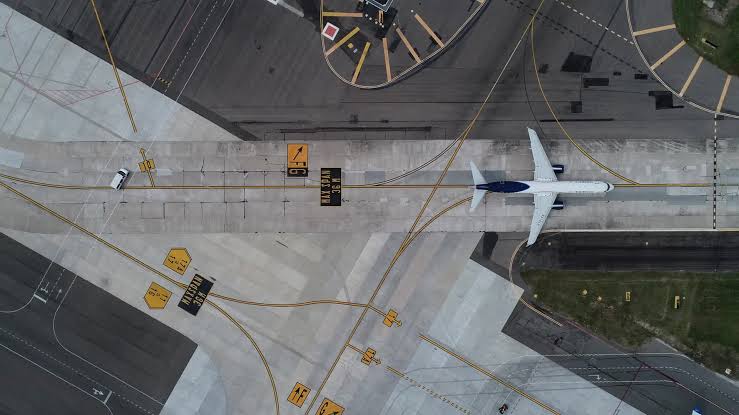
Preventing these types of incidents requires close coordination between airlines, airports, air navigation service providers, regulators, and frontline personnel. With this in mind, the Joint Runway Safety Initiative will focus on a set of three key areas:
- Improving safety reporting and data capture, including incidents, near misses, precursor events, and observations from frontline personnel
- Strengthening local runway safety teams as the main forum for airlines, airports, air navigation service providers, and other stakeholders to assess local risks and agree coordinated action
- Sharing progress and lessons learned so that effective practices can be adopted more widely by airports and organisations with similar operating environments
The initiative itself builds on existing efforts, including the Global Action Plan for the Prevention of Runway Incursions (GAPPRI) – a collaboration of ICAO, Eurocontrol, and the Flight Safety Foundation endorsed by IATA, ACI, and CANSO—as well as the ICAO Global Runway Safety Action Plan.
With plans to further the goals of these global plans, the Joint runway Safety Initiative will utilise tools and programmes developed by IATA, CANSO, and ACI, including risk-assessment resources, runway safety checklists, and support for Local Runway Safety Teams. This will also include ACI’s Runway Safety Team Implementation Package, developed under its APEX in Safety program; the Runway Safety Checklist co-developed by ACI and CANSO; IATA’s Runway Incursion Safety Risk Assessment; the GAPPRI gap-analysis tool for airlines; and assessments of airline risk assessments and mitigations through the IOSA program.
Nick Careen, IATA’s Senior Vice President Operations, Safety, and Security, said:Flying is the safest form of long-distance travel. Maintaining that record requires a relentless focus on continuous improvement, supported by global standards, safety data, and collaboration.
This initiative brings airlines, airports, and air navigation service providers together to identify runway risks earlier and take coordinated action.