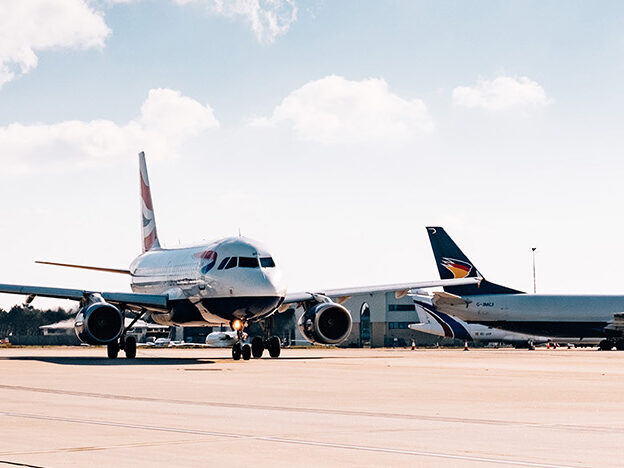
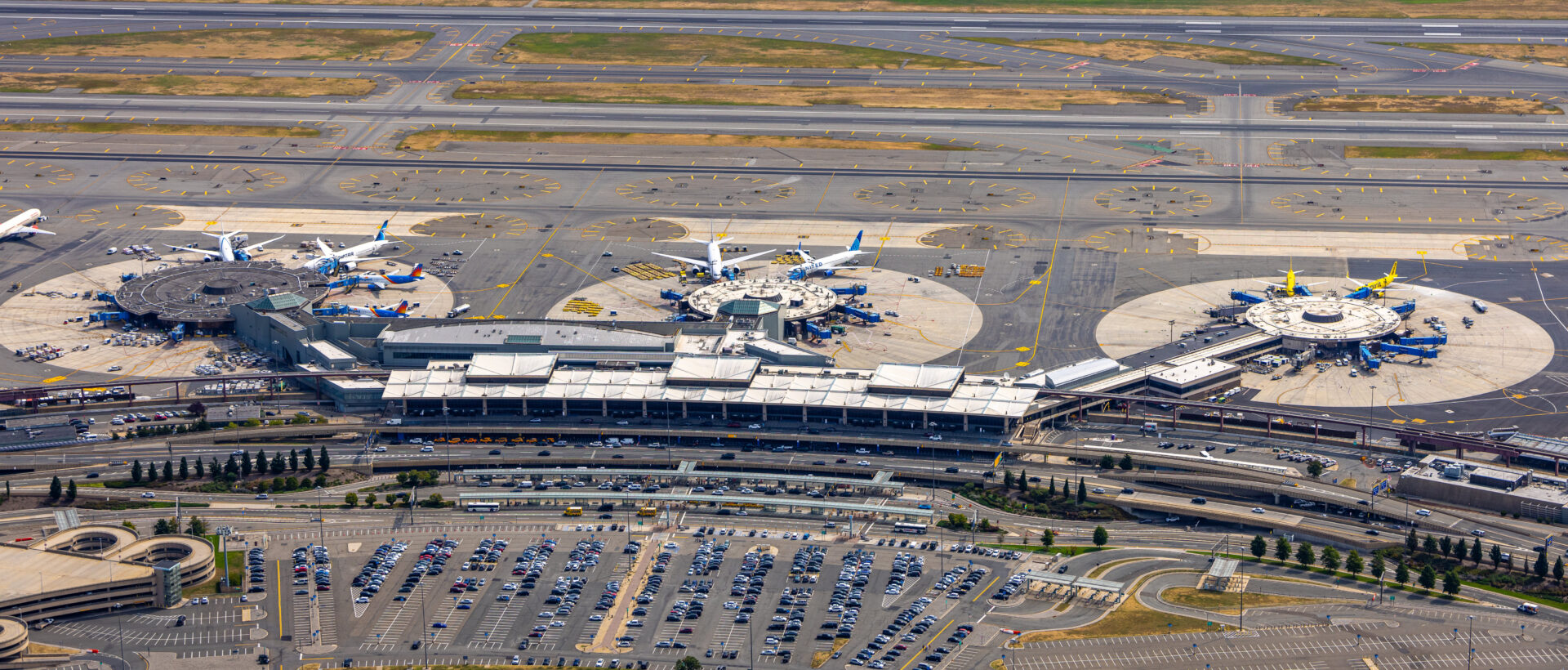
Thousands of passengers are facing further delays and cancellations after a technical failure in the UK’s air traffic control system disrupted flights across London and beyond.
London’s airports are facing a second day of disruption after a failure in National Air Traffic Services (NATS) flight processing system caused widespread cancellations and delays on Tuesday 8 September.
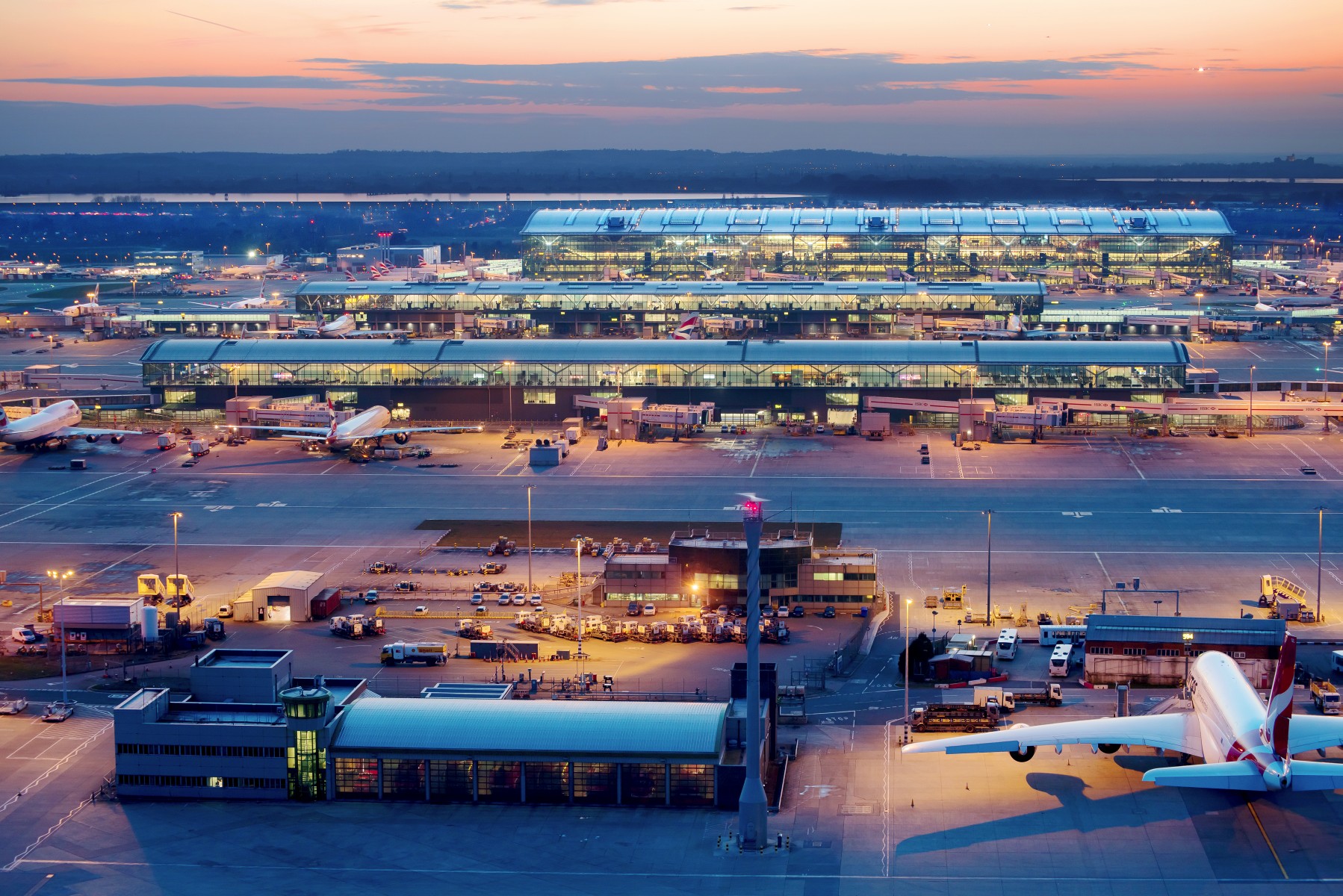
The problem emerged shortly before 14:00 BST, with NATS initially reporting a technical issue affecting flight departures. Heathrow, Gatwick, Stansted and London City were among the London airports affected, while disruption also spread to Luton, Manchester, Birmingham, East Midlands, Edinburgh, Glasgow and Aberdeen.
NATS later confirmed that the fault was within its flight processing system. It said UK airspace remained open and flights continued to depart, but warned that recovering the network would take time.
At 16:40, NATS said it had implemented a fix and that its flight system was beginning to recover. By 19:30, the organisation said the system issue had been resolved and that it was operating normally, but warned that clearing the backlog would take time.
In its final update at 22:10, NATS said the recovery had been “very complex” and had created difficulties across the aviation network.
Heathrow Arrivals Suspended
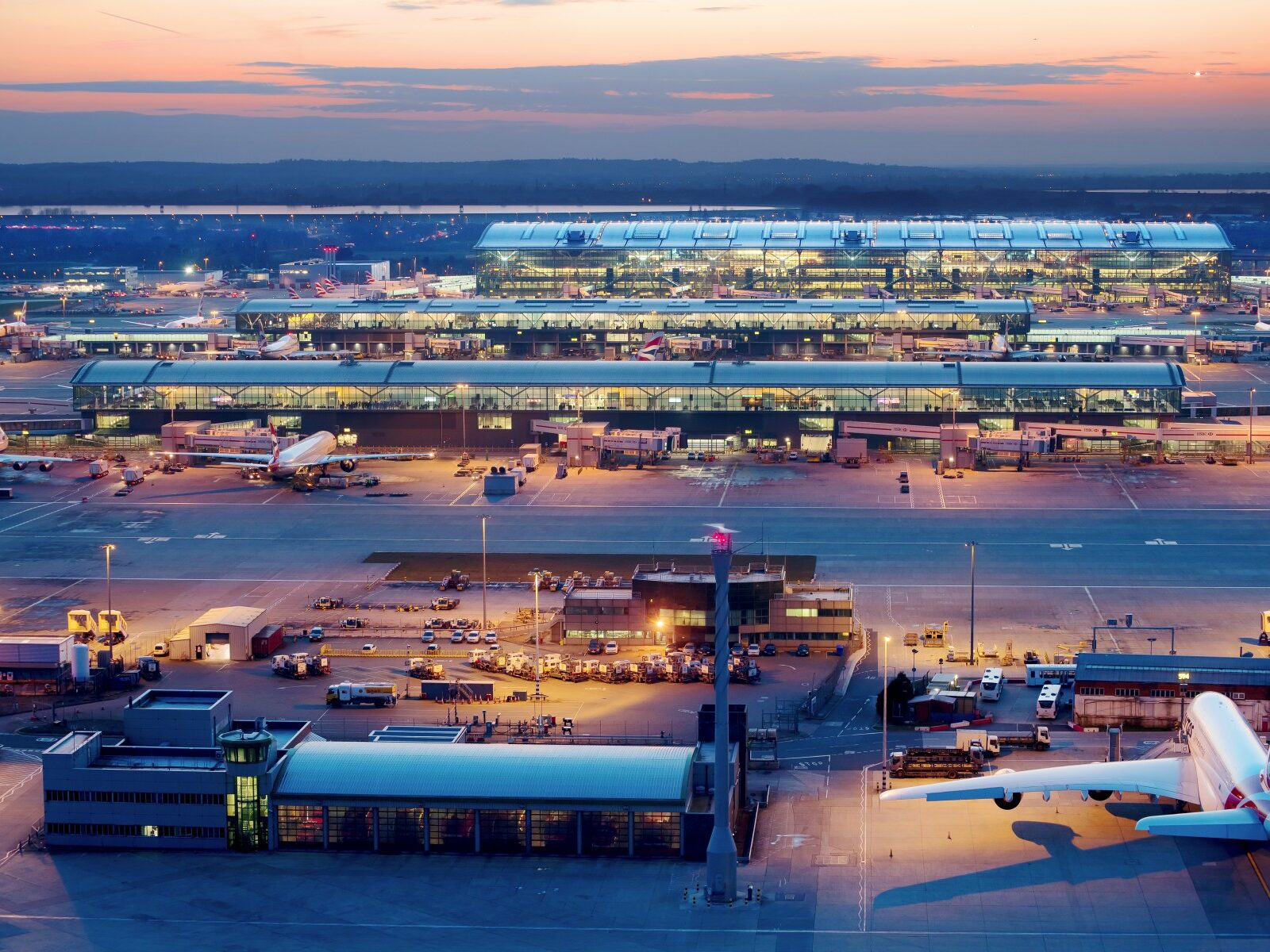
The disruption was particularly significant at Heathrow, where arrivals were suspended for the remainder of Tuesday after the system failure.
Heathrow normally handles around 1,300 aircraft movements a day, illustrating the scale of the operational challenge created when the airport’s flight programme is interrupted.
Gatwick and other London airports were also affected, with aircraft movements restricted as the system failure was managed.
According to FlightRadar24 figures reported on Tuesday evening, more than 1,000 flights had been cancelled across UK airports. The final impact continued to develop as airlines attempted to reposition aircraft and crews and accommodate passengers affected by cancellations.
Airlines Warn of Knock-On Effects
The disruption quickly moved beyond individual cancelled flights as aircraft and crews were left in the wrong locations.
British Airways said it had been forced to cancel or divert more than 100 flights on Tuesday afternoon, affecting tens of thousands of passengers. The airline warned that there would be a significant knock-on impact following the NATS failure.
Ryanair said more than 65,000 of its passengers had been affected, with more than 50 flights cancelled. The airline subsequently called for NATS chief executive Martin Rolfe to resign.
Wizz Air also called for changes to the UK’s air traffic control system, saying that a critical infrastructure provider should not repeatedly cause widespread disruption.
easyJet said the failure had caused delays and cancellations across Europe, as the effects of the disruption extended beyond UK airports.
Disruption Continues into Wednesday
The restoration of NATS’ system did not immediately restore normal flight schedules. FlightRadar24 reported that around 1,300 flights to and from UK airports were cancelled on Tuesday, while more than 150 flights scheduled for Wednesday had already been cancelled by early Wednesday morning.
This reflects the difference between resolving the technical fault and restoring the wider aviation network. Aircraft and crews displaced by Tuesday’s cancellations need to be repositioned, while airlines must reorganise schedules and accommodate passengers who could not travel.
NATS said the issue itself was resolved but acknowledged that the consequences would take longer to clear.
Renewed Questions over NATS Resilience
The incident has also raised questions about the resilience of the UK’s air traffic control infrastructure.
It comes three years after the major NATS flight-planning failure of August 2023, which affected more than 700,000 passengers. An independent review published by the Civil Aviation Authority in 2024 estimated the total cost to the industry and passengers at between 75 million GBP and 100 million GBP and made 34 recommendations covering NATS, the CAA, airlines, airports and government.
The CAA has already contacted NATS regarding Tuesday’s incident and said it expects the organisation to provide a full report. It will then consider whether further action is needed to ensure the reliability of the UK’s air traffic control system.
The latest failure therefore puts renewed focus on how quickly critical aviation systems can recover from technical problems, and whether contingency arrangements are sufficient to prevent a problem in one part of the network from creating disruption across multiple airports and countries.