Melbourne Airport (MEL) has announced that it is seeking collaboration with the Federal Government in order to invest the proceeds of extra tax it collects from international travellers into improvements to Australia’s border processing facilities and technology.
International passenger traffic at MEL dipped 7.1% year-on-year in April 2026, with a 67.6% drop in seat capacity from the Middle East as a result of the conflict in Iran.
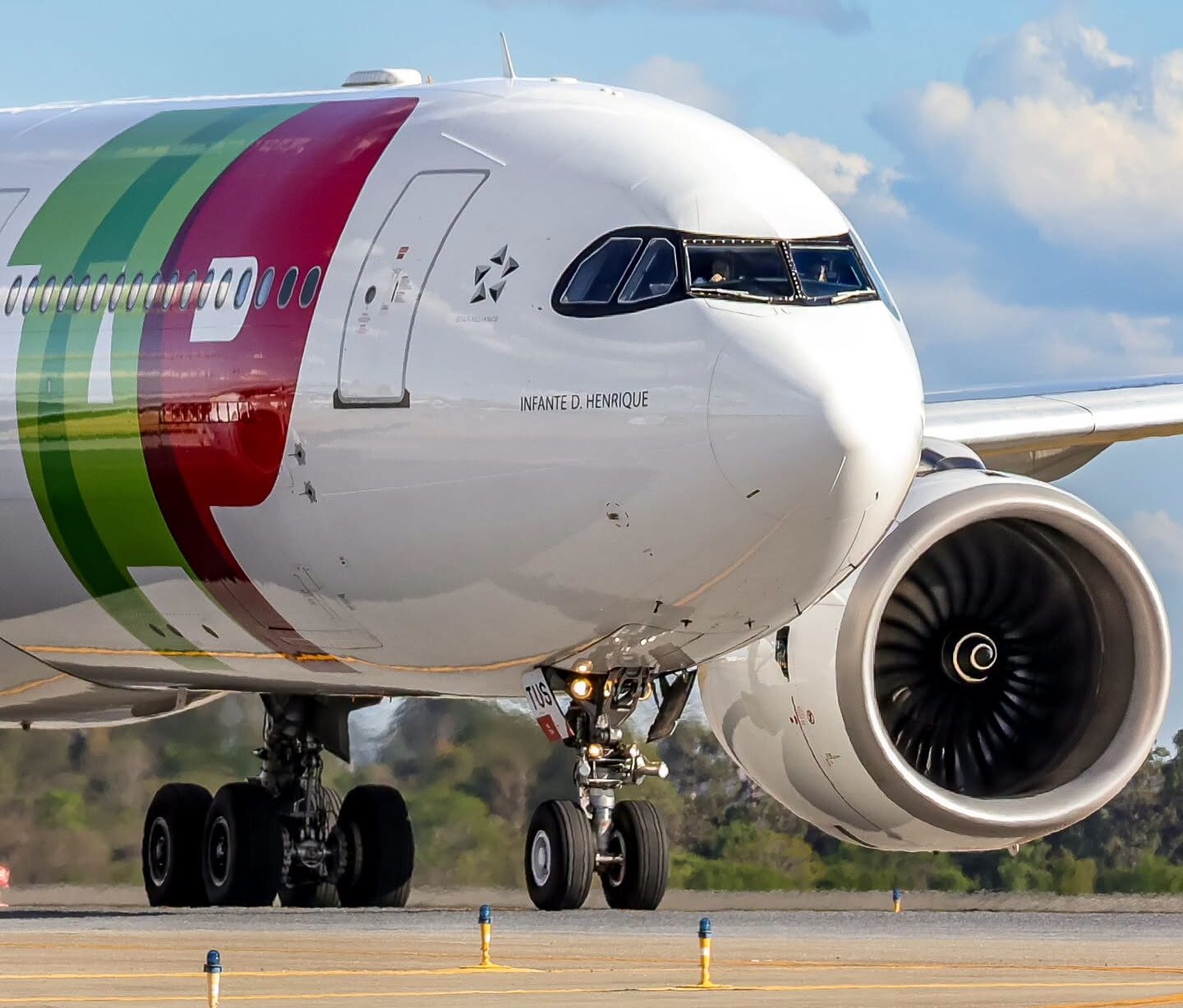
Whilst flights to Dubai, Doha and Abu Dhabi were reduced; capacity was increased on Singapore airlines and China Southern Airlines services, with higher load factors on other international services also factored into reported data.
In total, the month of April saw 3,009,063 passengers pass through the Airport, comprising more than 950,000 international travellers and over two million domestic.
Flights from the Middle East have now begun to return gradually, and airline schedules have, in turn, begun to stabilise, with international passenger numbers rising 3.7% for the financial year to date.
Melbourne Airport CEO Lorie Argus said:We’re investing $7.5 billion dollars of private money to deliver a third runway and expand Melbourne’s international terminal to cater for growing demand and improve the experience for passengers.
As we modernise our airport, we will continue partnering with the Federal Government to modernise the border and invest in technology that can deliver a faster, more seamless arrival experience for international travellers.
Our international passenger numbers have doubled in the past 10 years but our Border Force kiosk numbers have remained the same, and the international arrivals experience has become one of our biggest passenger pain points.
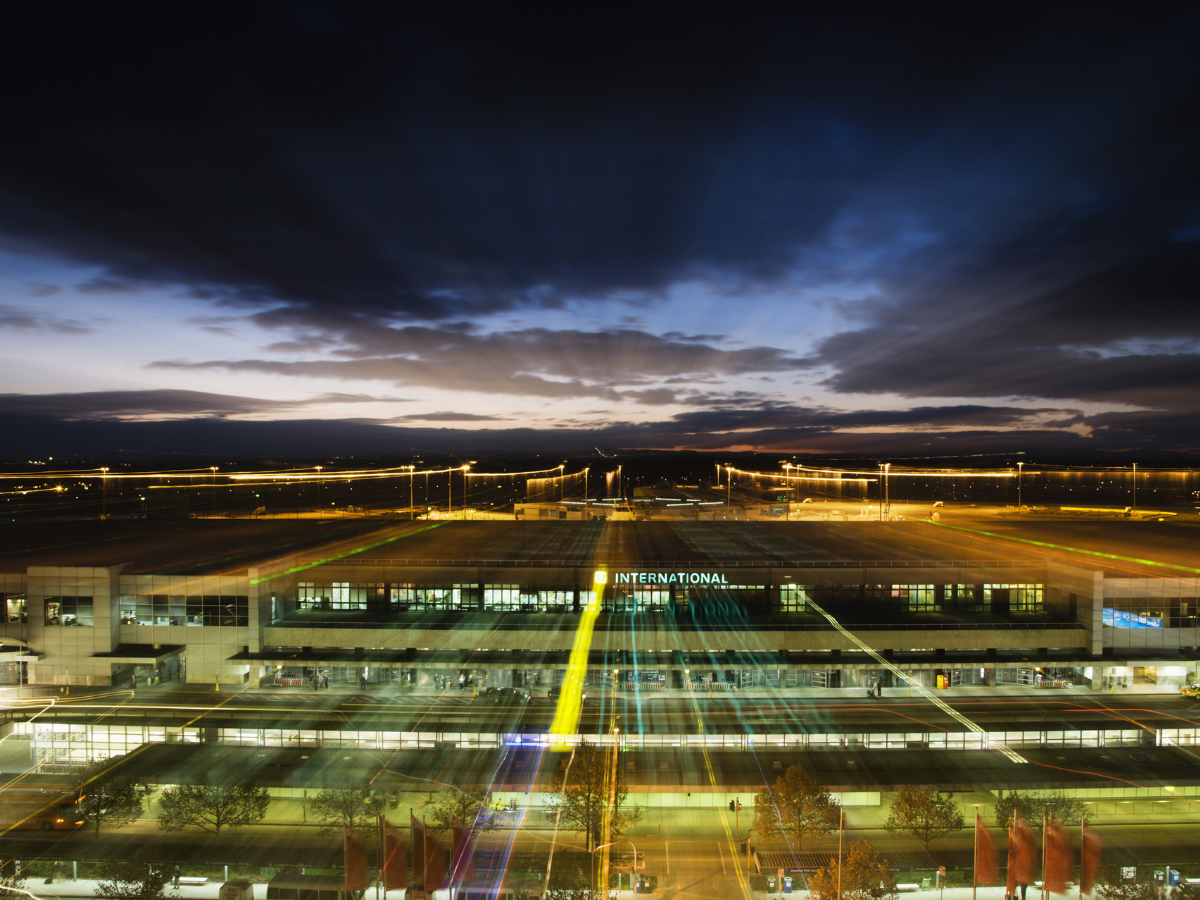
The first phase of our international terminal expansion project will open later this year with a state-of-the art new baggage system and new Pick up and Drop off locations for Terminals 1, 2 and 3, which will allow us to start pushing the terminal footprint out into the current forecourt and across the existing departures ramp.
Even with the current global uncertainty, we know we need to invest in the future and build for the long term.
Flights from the Middle East are progressively returning and schedules are stabilising, with Emirates now flying twice a day between Melbourne and Dubai and Qatar Airways operating double daily flights to Doha from June.
While this is down on what was being flown before the Middle East conflict began, it represents a welcome return of stability to operations through some of our most important global hubs.