The UK Government has announced that it has awarded 7.3 million GBP to a set of eight British companies working to develop new electric aircraft for use across the country.
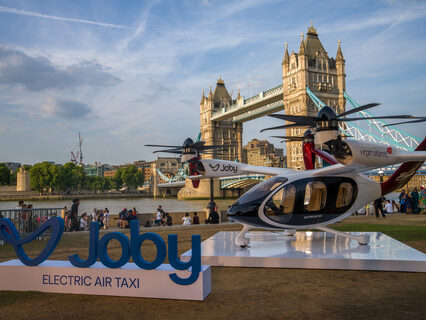
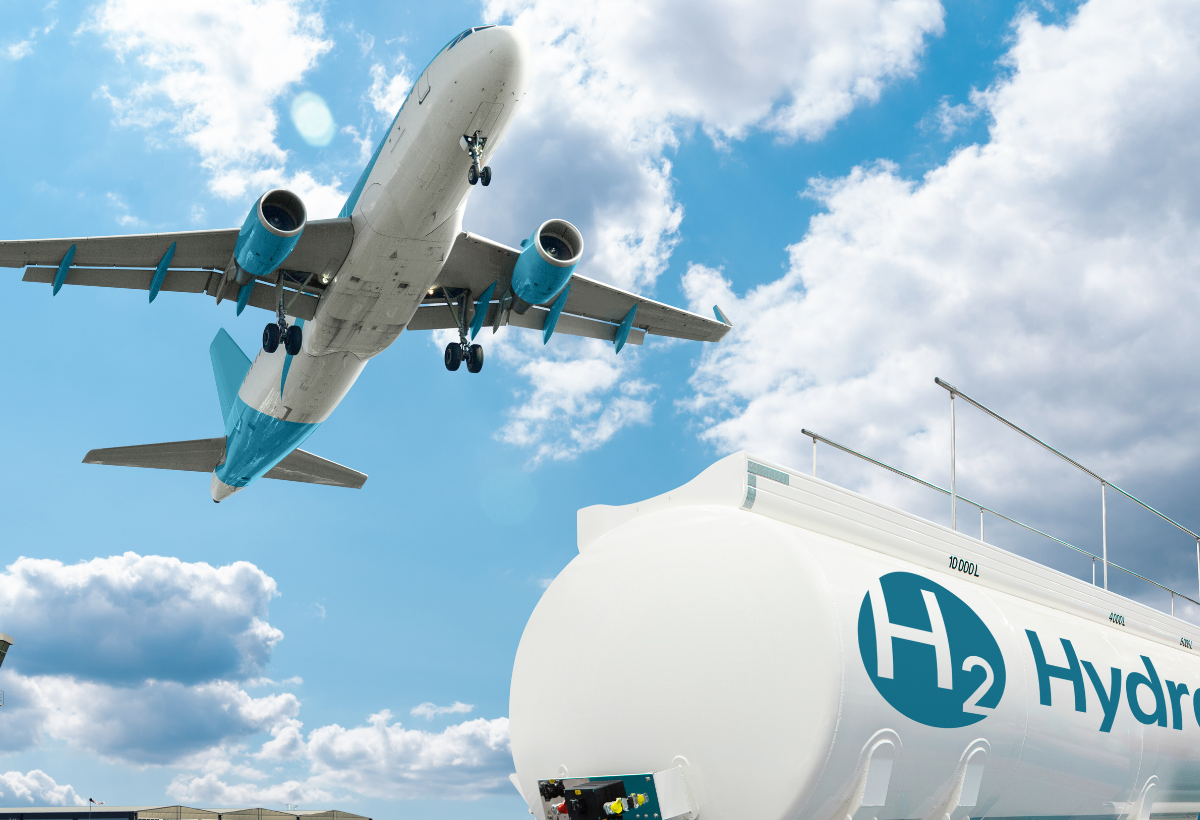
All projects will support a range of research on both hydrogen and electric aircraft in order to deliver greener aviation through zero-emission flight, including bringing forward the introduction of flying taxis within the UK.
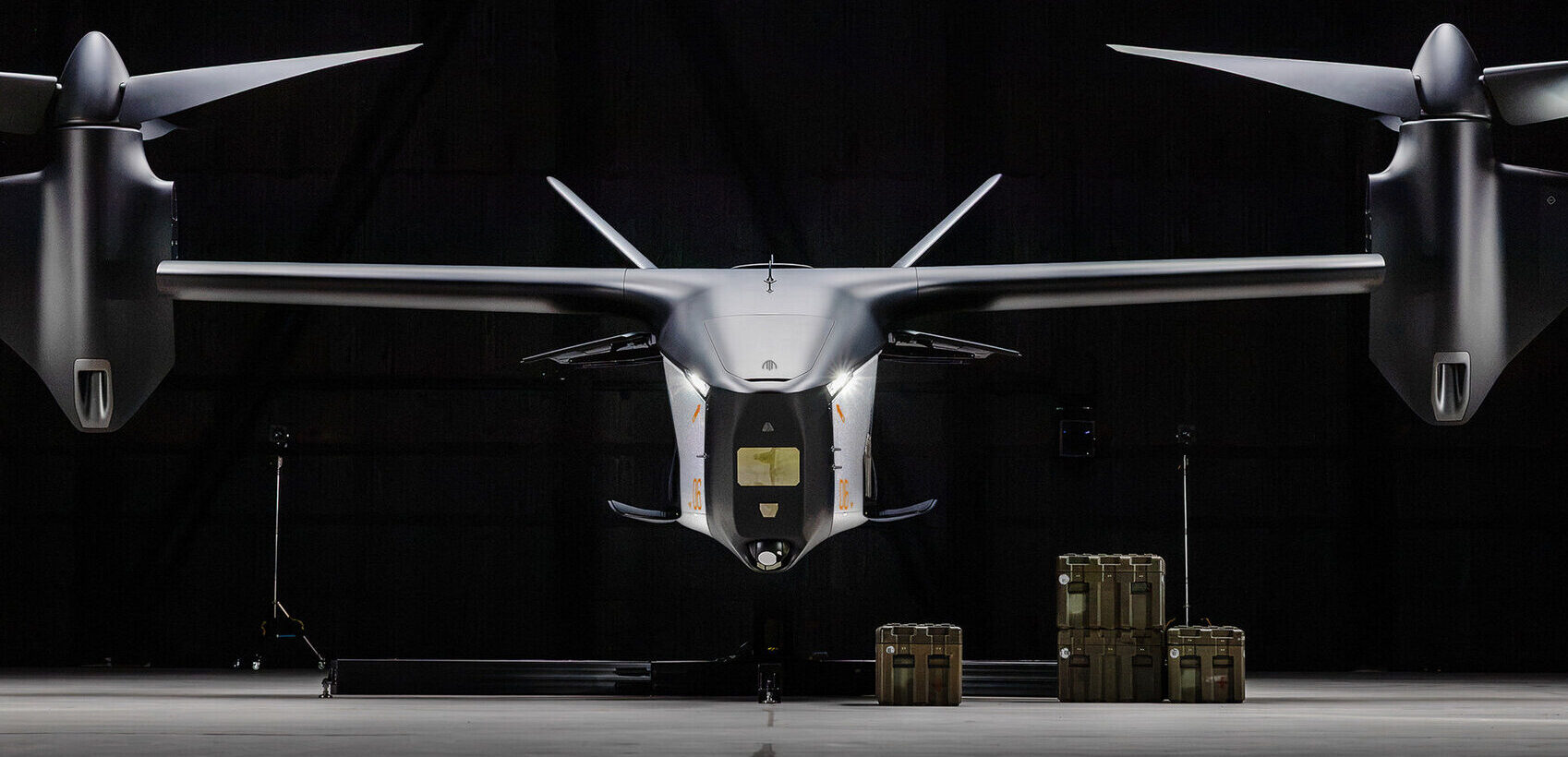
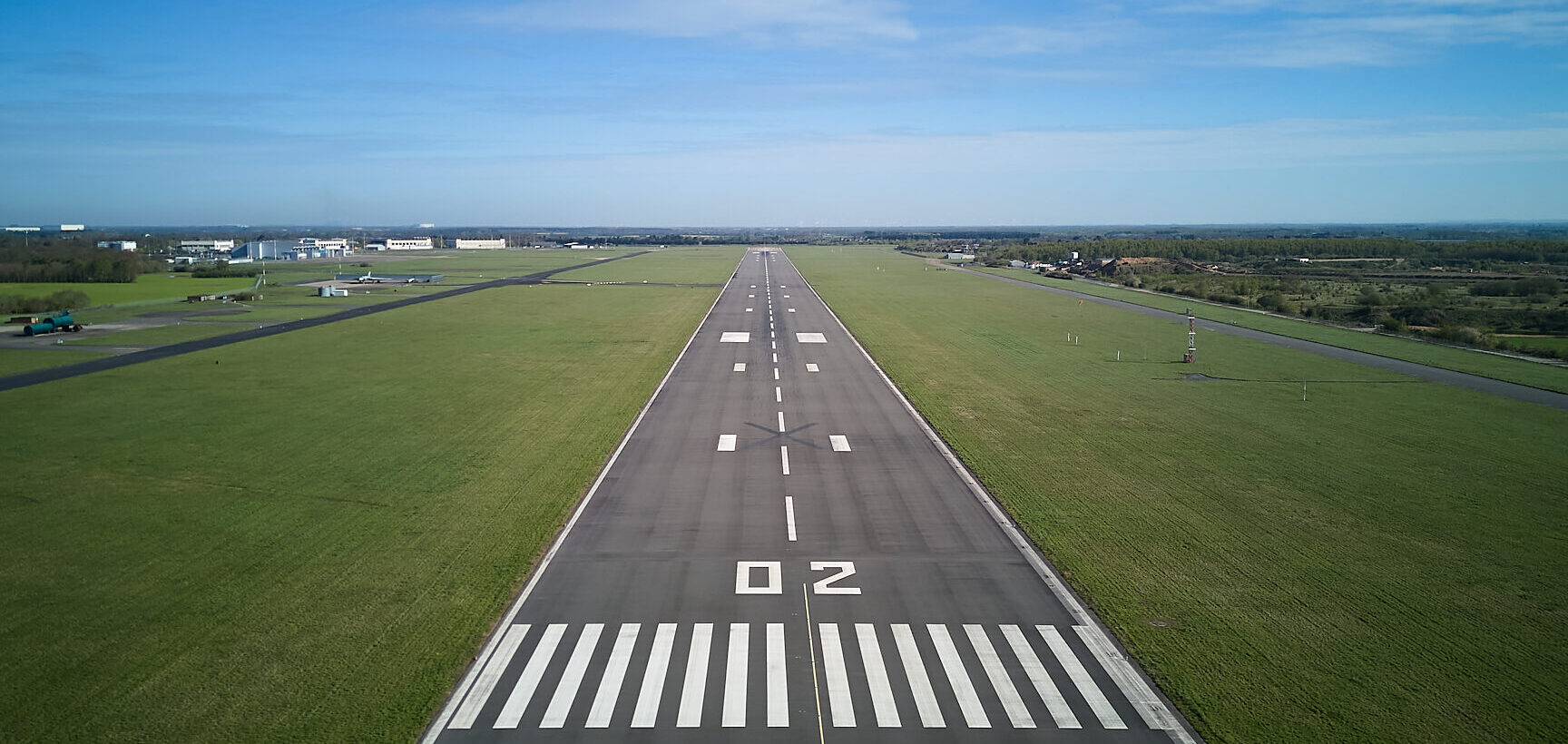
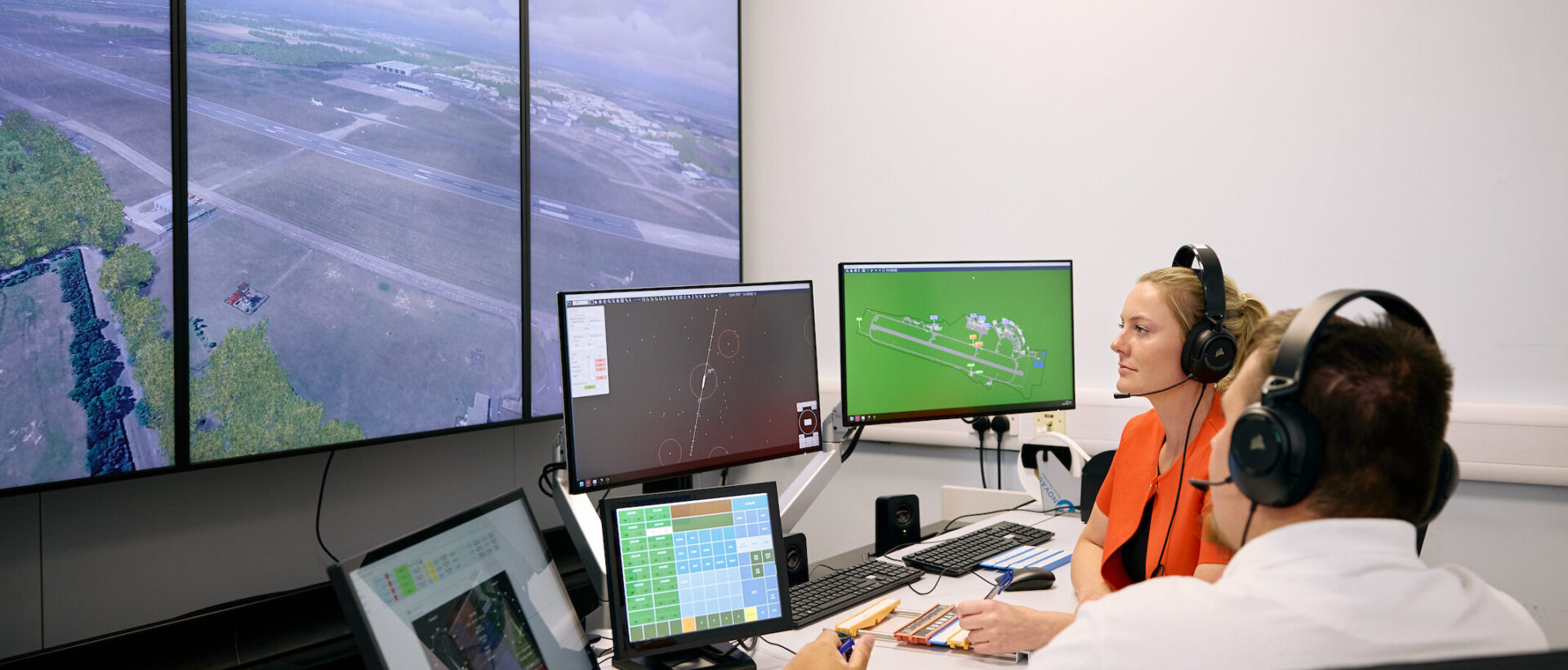
Projects involving Beta technology and Vertical Aerospace have received up to 3.2 million GBP worth of funding to demonstrate how their next-gen aircraft might fit into commercial airport operations, whilst the remainder of funding – part of a wider 43 million GBP package for next-generation aviation technology – will support the safe handling of electric and hydrogen-powered aircraft.
The announcement follows Vertical’s recent display, where the company showed off its 6-seater aircraft & new UK manufacturing contract, at Farnborough International Airshow. This is expected to support skilled jobs in the South West, with passenger services planned to launch by 2029.
Meanwhile, new government-backed research from the University of Birmingham has found that flying taxis could feasibly improve connectivity, support economic growth and aid in the delivery of cleaner aviation across the UK.
The government recently backed both flying taxis and drones with a major 46.5 million GBP investment aimed at making medical deliveries a reality, assisting police forces and allowing commercial companies to use delivery drones, with Amazon already running trials in Darlington.
Heidi Alexander, Secretary of State for Transport, said:By powering up electric and hydrogen-powered planes, we’re bringing passengers closer to the flights of the future – while creating skilled jobs, backing UK businesses and spreading economic growth to all 4 corners of the country.
We’re working hand in hand with industry to cut emissions, drive innovation, and ensure the UK remains one of the best places in the world to build, test and fly the aircraft of tomorrow.
On Tuesday 21 July, a number of airlines, airports, innovators and engineering firms came together during the Farnborough International Air Show to discuss how cutting-edge technology might slash emissions and deliver an economic boost for the sector.
The meeting of the Jet Zero Taskforce Expert Group saw discussions take place on how best to reduce carbon emissions from flying, including through a 2.3 billion GBP government commitment over the next decade to the Aerospace Technology Institute Programme, which will back cutting-edge research and bring the next generation of aircraft technologies, such as AI aircraft optimisation, to market.
Earlier this week, the UK Civil Aviation Authority (CAA) published the latest findings of the Department for Transport (DfT)-funded Hydrogen Challenge, outlining progress made on demonstrating that hydrogen can be safely and effectively introduced as a zero-emission aviation fuel.