A recent baggage handling system failure at Heathrow Airport’s Terminal 5 left an estimated 20,000 bags delayed, prompting renewed scrutiny of the resilience of critical airport infrastructure.
The incident, which occurred on Friday 15 May, affected both arriving and departing passengers after a fault in the automated baggage handling system temporarily halted processing at the UK’s busiest terminal. Photographs from the airport showed large volumes of luggage accumulated in holding areas as ground staff worked to manually manage the backlog.
The disruption impacted thousands of customers and forced some flights to depart without all checked baggage being loaded.
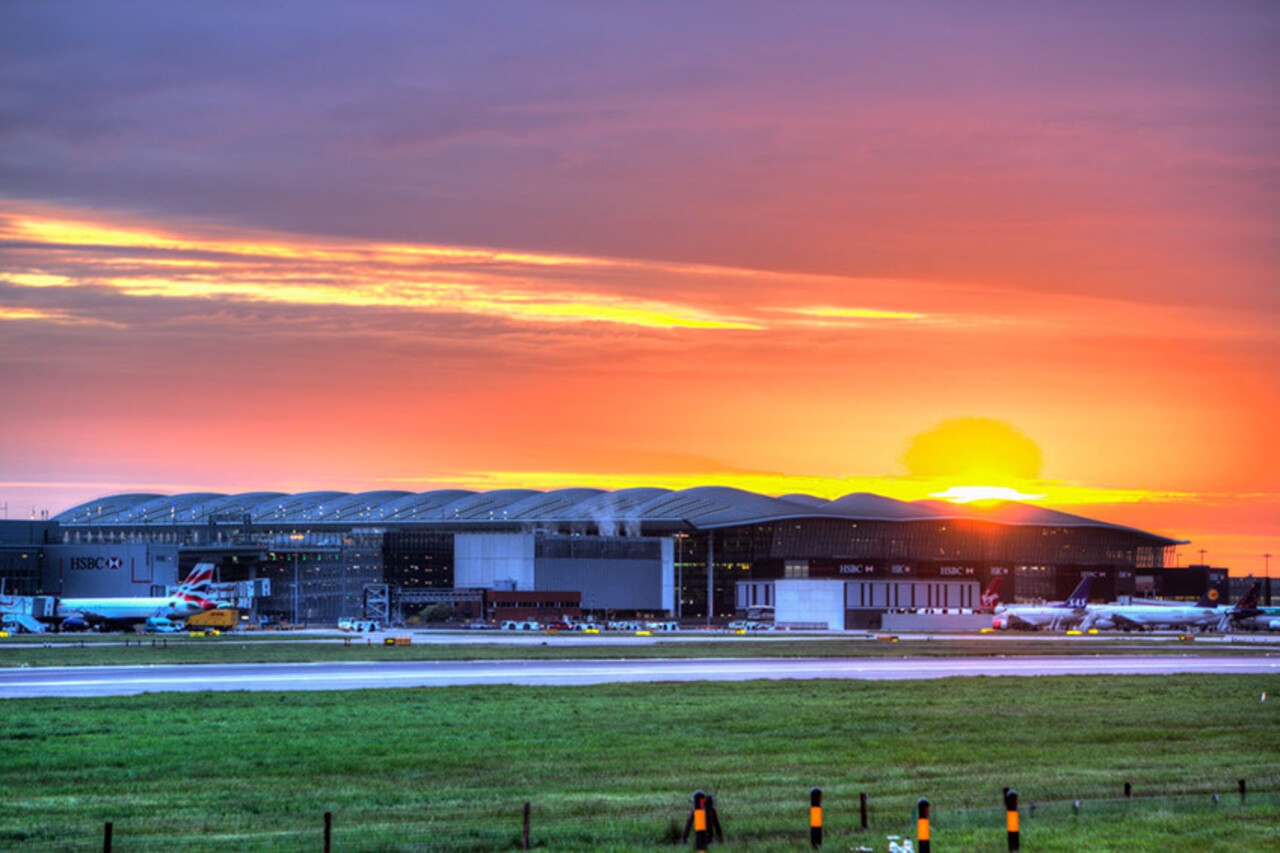
The system was restored following the outage, and operations have since resumed, with Heathrow’s baggage systems maintaining a reported 99% operational reliability rate.
However, the latest failure is not an isolated event, with reports indicating this is the fifth baggage-related disruption at Heathrow so far this year.
Meanwhile, industry data highlights the wider significance of baggage system performance across global aviation. The International Air Transport Association (IATA) estimates that global baggage mishandling continues to affect tens of millions of bags annually, with airlines incurring multi-billion-dollar costs linked to delayed or misrouted luggage.
As airports increasingly rely on automated baggage handling systems, operational resilience and system redundancy have become central concerns for both airlines and infrastructure operators.
Notably, the incident has also reignited debate over operational responsibility between airlines and airport operators. At Heathrow, baggage infrastructure is managed at an airport level, while airlines and ground handlers are responsible for downstream handling and recovery of luggage once flights depart.
This division of responsibility often becomes more visible during system-wide failures, when recovery operations require coordination across multiple stakeholders. Reportedly, British Airways is requesting 10 million GBP in compensation from Heathrow for costs incurred from the latest incident.
For both airport operators and airlines, such faults thus reinforce the importance of ensuring that highly automated systems can remain resilient.