The roar of a jet, the marvel of an aerobatic display and the opportunity to see aircraft up close continue to attract thousands of spectators to airshows each year.
Beyond the spectacle, airshows remain an effective platform for the aviation industry in bringing together manufacturers, operators, engineers, suppliers, military organisations and future talent.
Aerobatic Displays
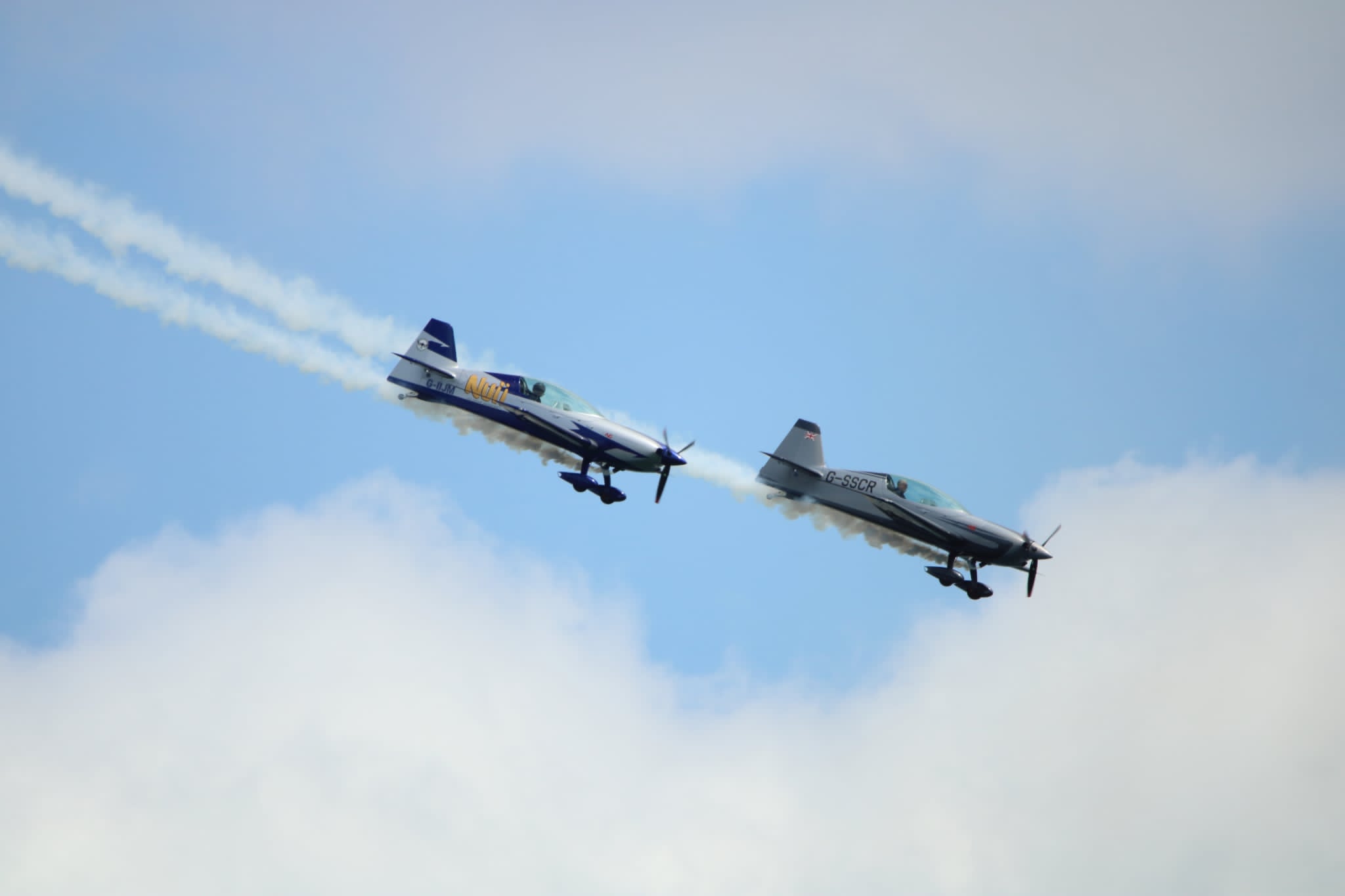
Aerobatic displays showcase more than just pilot skill. Aircraft such as the Jet Pitts, Extra NG and Extra 330SC demonstrate the structural engineering, aerodynamic efficiency and flight control precision required to operate safely at the limits of the flight envelope.
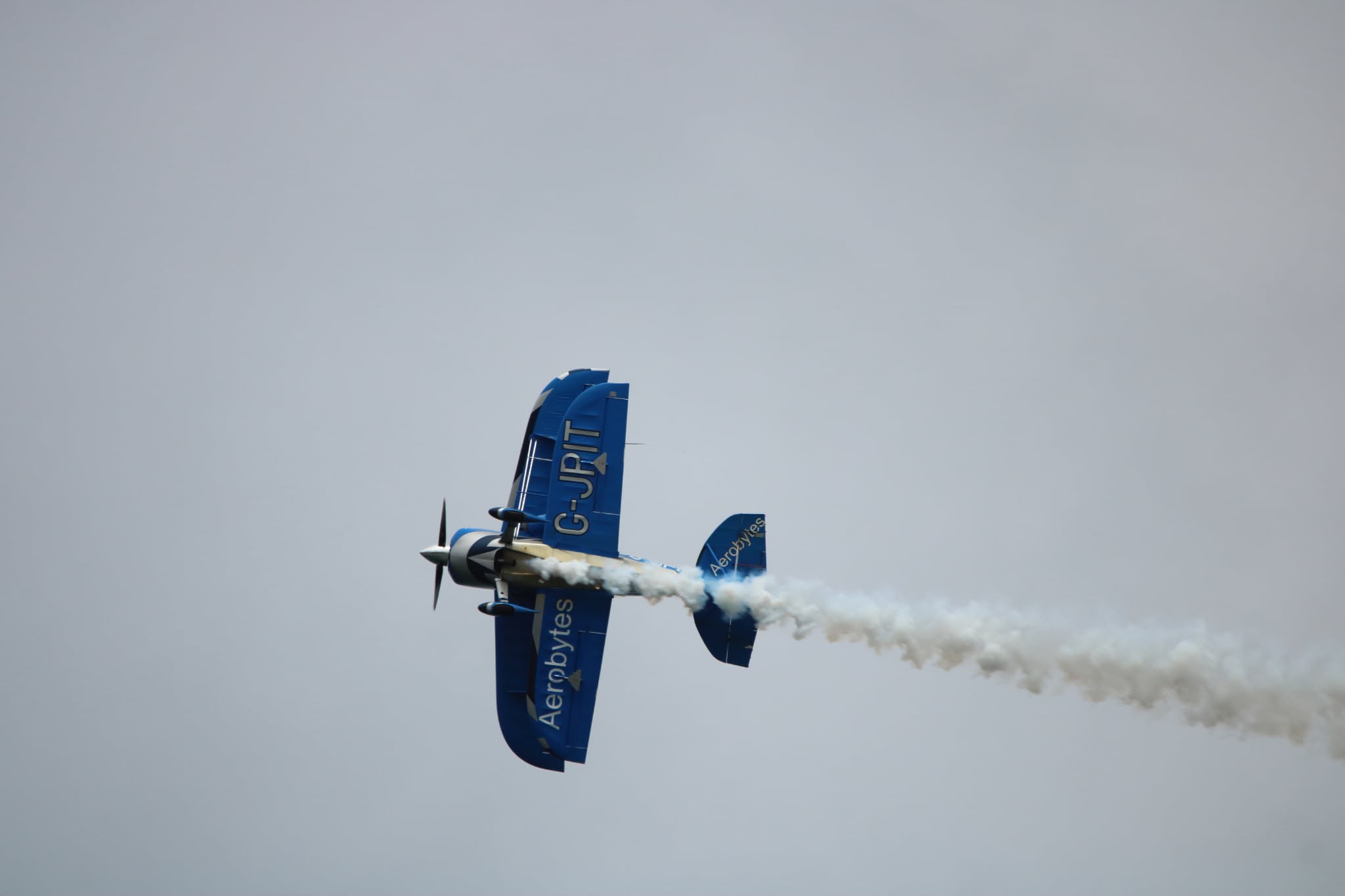
Throughout a display, these aircraft are subjected to repeated high positive and negative g-forces, rapid changes in attitude and significant aerodynamic loading. Their lightweight airframes, responsive control systems and high power-to-weight ratios are designed to deliver predictable handling while maintaining structural integrity under demanding conditions.
Furthermore, the engineering that takes place on the ground remains equally important. Display aircraft are maintained to rigorous standards, with detailed inspections carried out before and after each performance to ensure continued airworthiness. The spectacle in the sky thus requires careful design, maintenance practices and engineering discipline to make the manoeuvres possible.
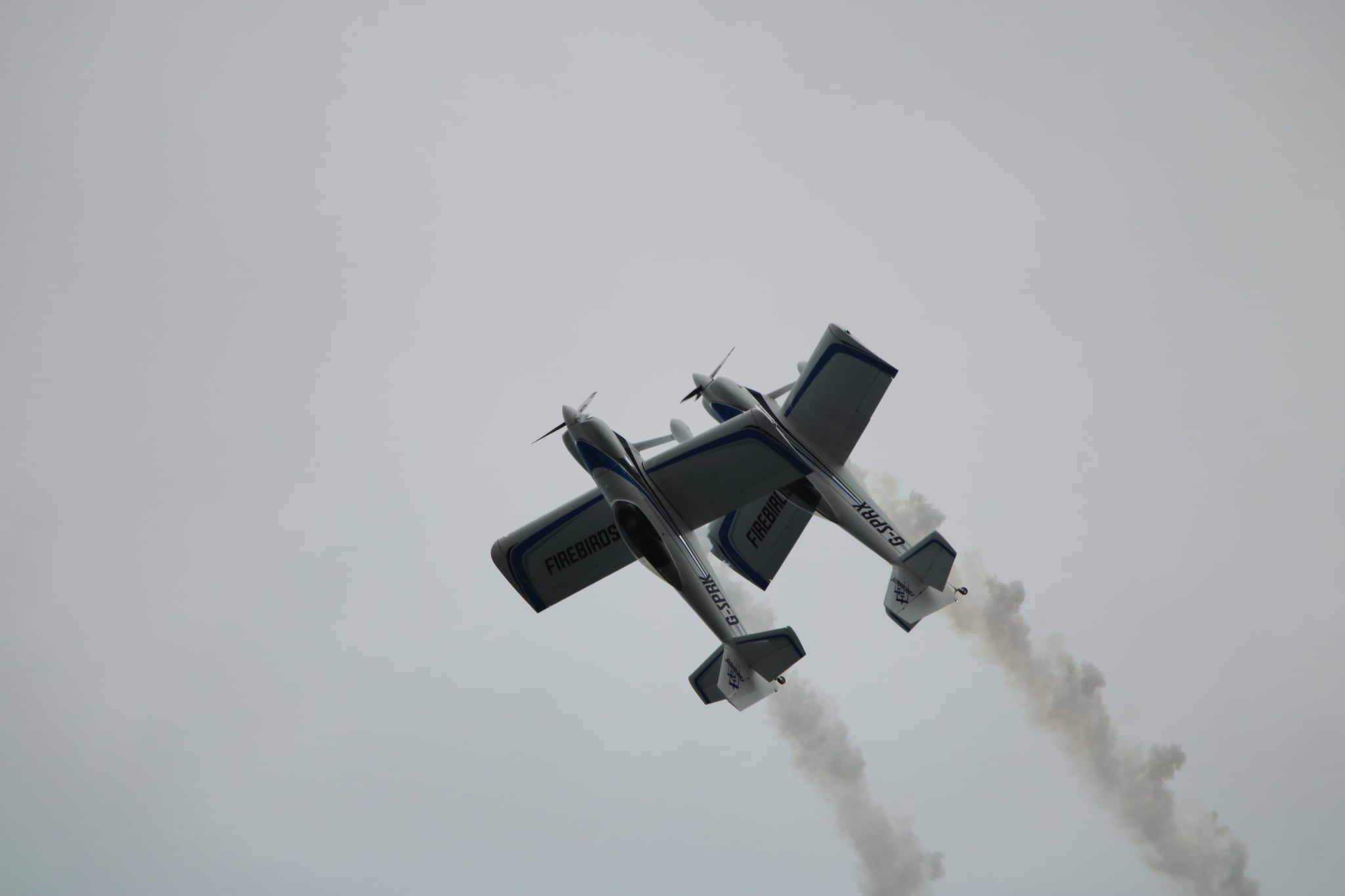
The performances of these aircraft demonstrate that aviation innovation doesn’t happen solely in the commercial sector. Aerobatic aircraft are built with lightweight composite materials, advanced avionics and high-performance powerplants.
Although developed for a different mission than commercial airliners, many of these engineering principles, from materials science to digital flight instrumentation, reflect broader trends across the aerospace sector.
General Aviation
Much of the industry’s innovation and technical expertise is rooted in general aviation. For example, the Van’s RV-4 is representative of the experimental and amateur-built aircraft community, where owners often take an active role in constructing, maintaining and operating their aircraft. This hands-on approach fosters a deep understanding of aircraft systems, aerodynamics and engineering principles, while highlighting the technical expertise that exists beyond commercial aerospace.
Airshows provide an opportunity for the public to encounter this side of aviation, bringing together homebuilt aircraft, flying clubs and private owners alongside commercial and military displays.
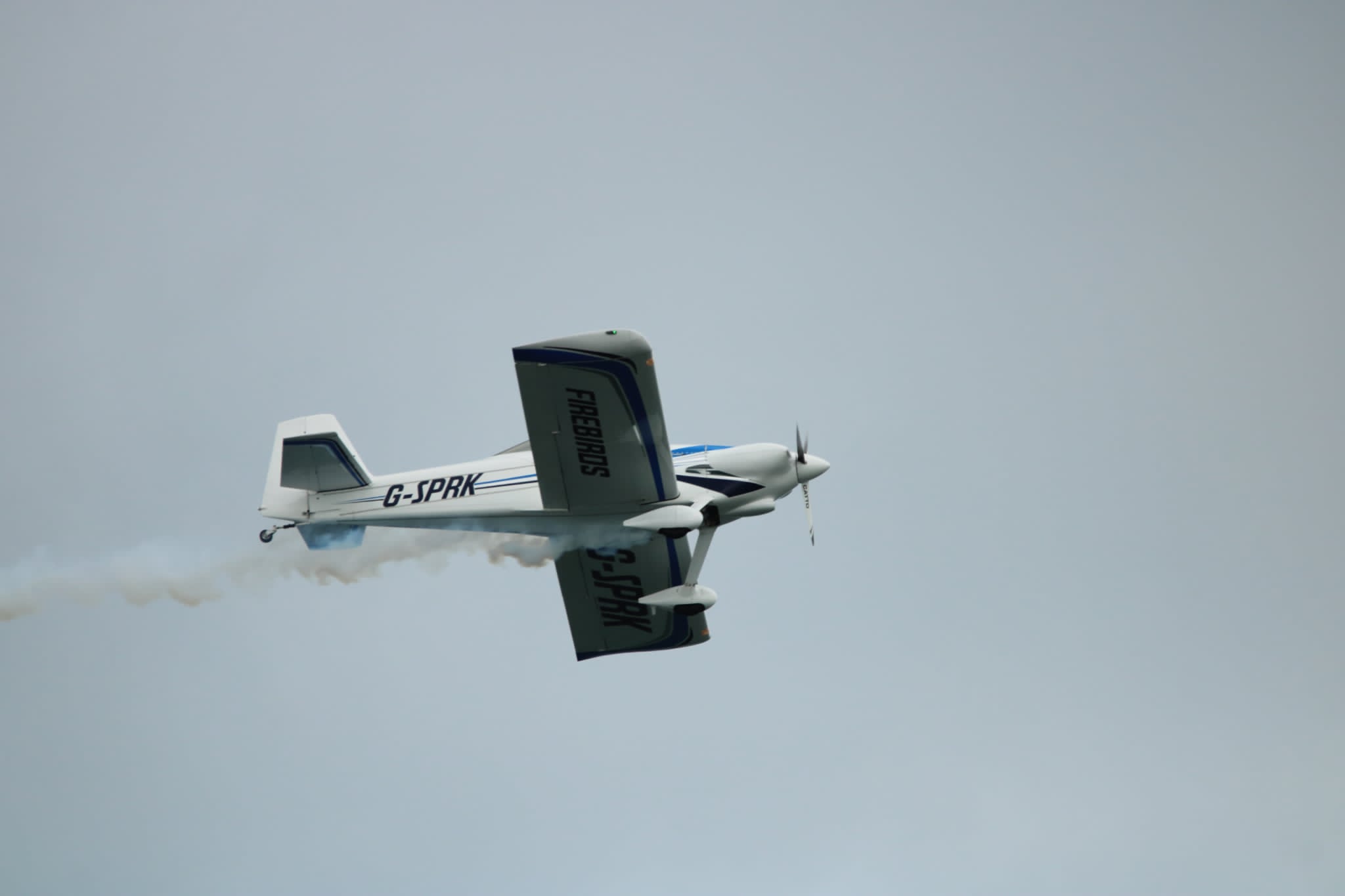
General aviation also provides an important ecosystem for flying clubs, maintenance organisations, engineers and private operators. This sector continues to support pilot proficiency, engineering skills and aviation careers, helping to sustain the talent pipeline at a time when the industry faces shortages across flight operations, maintenance and manufacturing.
Pilot Training
Before pilots fly fast jets or large commercial aircraft, they develop the core flying skills that underpin safe and effective operations. Aircraft such as the Grob G 115E Tutor continue to play an important role in this journey.
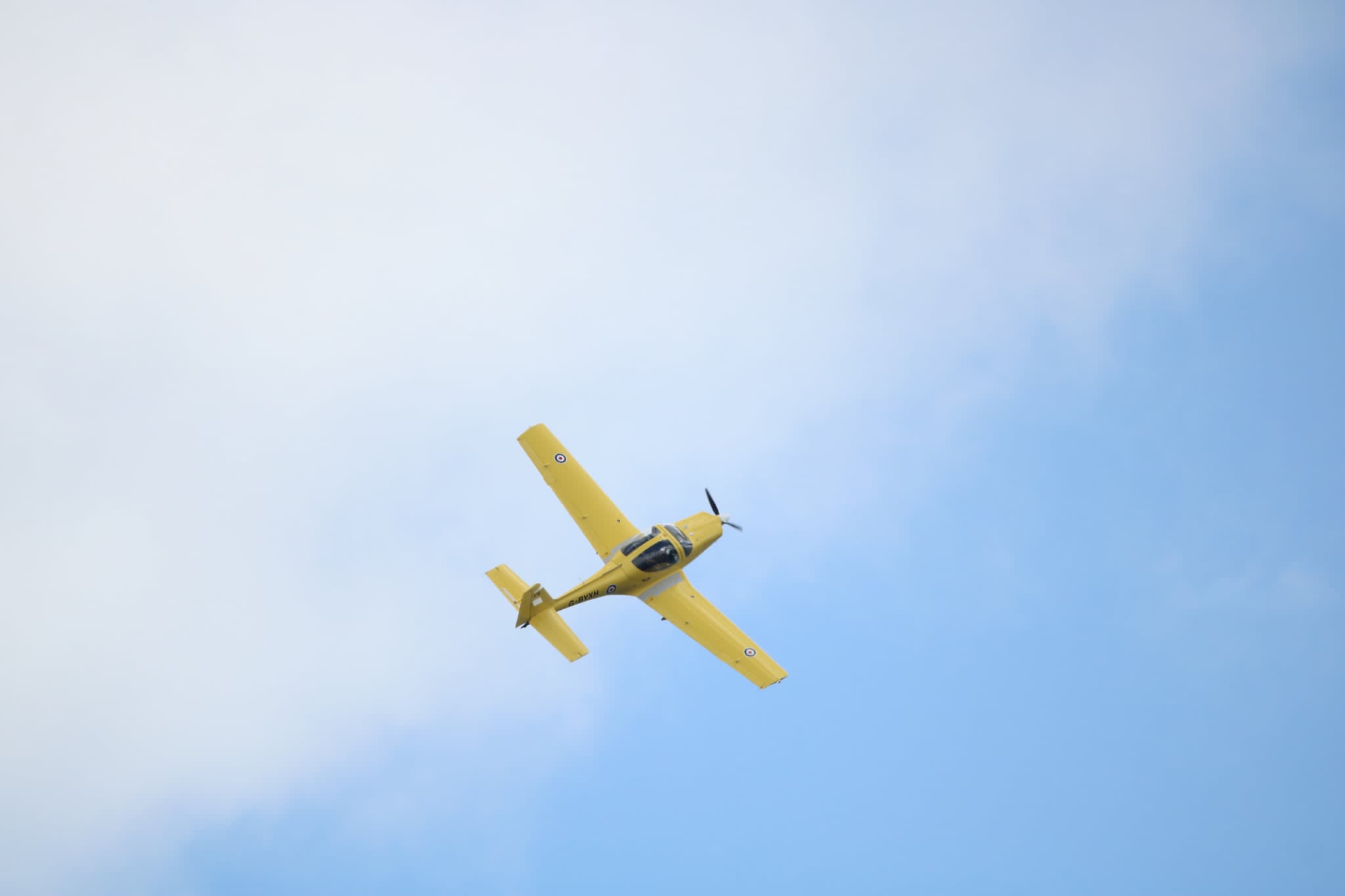
Used by the Royal Air Force Air Cadets and University Air Squadrons, the Tutor provides elementary flying training while introducing students to military aviation and aviation careers. These aircraft help develop the flying discipline, situational awareness and decision-making skills that form the foundation of future military and commercial pilots.
At airshows, aircraft like the Tutor highlight that the aviation industry is reliant on sustained investment in training and developing the next generation of aviation professionals.
Heritage Aircraft
Historic aircraft also continue to play an important role at airshows, not simply as museum pieces but as reminders of aviation’s engineering heritage.
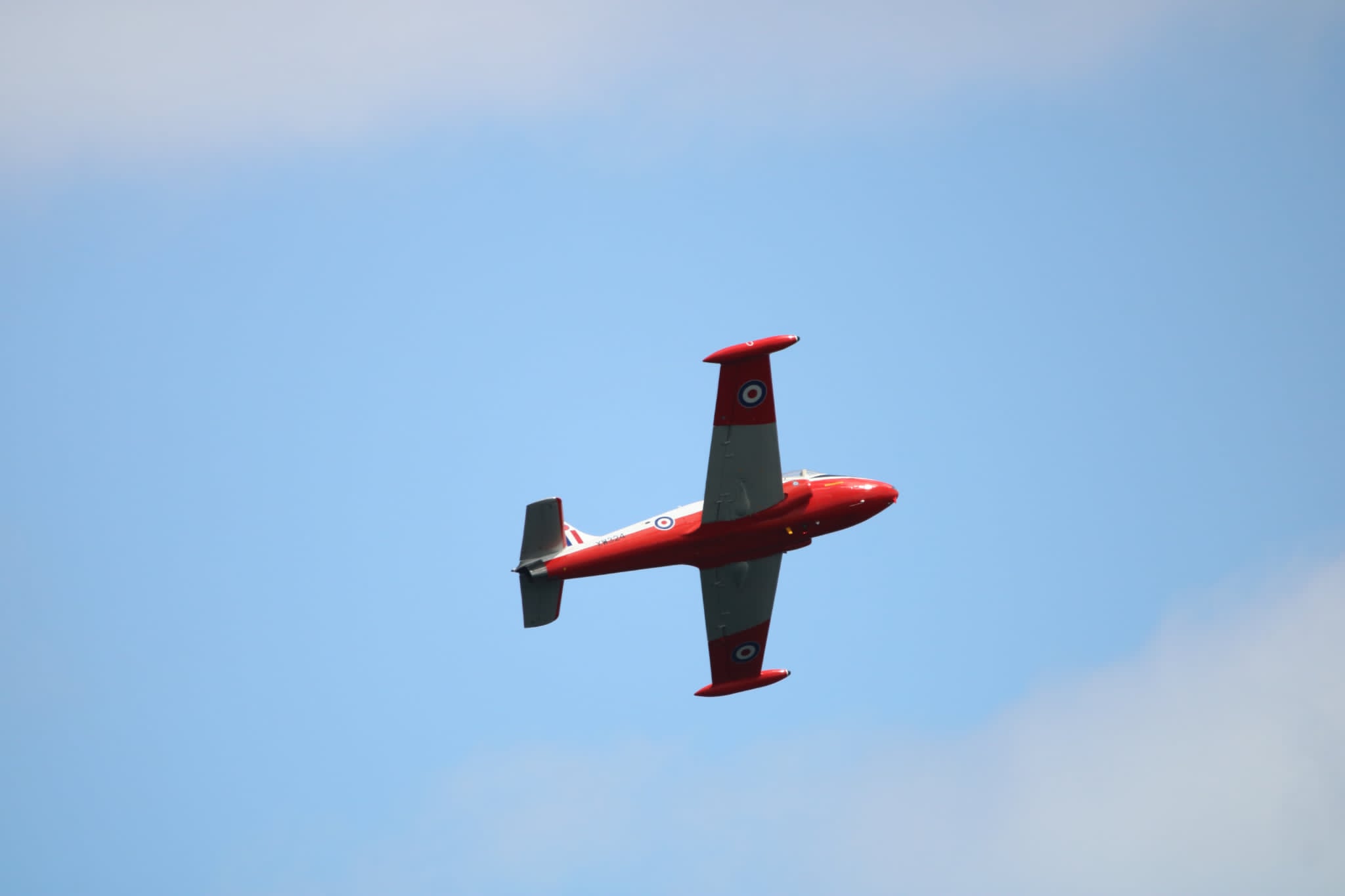
The BAC Jet Provost, once used to train Royal Air Force pilots, represents an earlier generation of aircraft design, while highlighting the specialist restoration and maintenance expertise required to keep historic aircraft flying safely. These aircraft offer valuable insight into how cockpit design, manufacturing techniques and pilot training have evolved over the decades.
Defence Aviation
Meanwhile, modern military aircraft remain among the most technologically advanced machines in aviation, acting as platforms for developments in sensors, avionics, propulsion, electronic warfare and advanced materials that often influence wider aerospace programmes.
The RAF Typhoon combines sophisticated avionics, sensor fusion, advanced radar, secure communications and high-performance propulsion into a single platform. Many technologies developed for defence applications later influence the wider aerospace industry, from materials and electronics to simulation and systems integration.
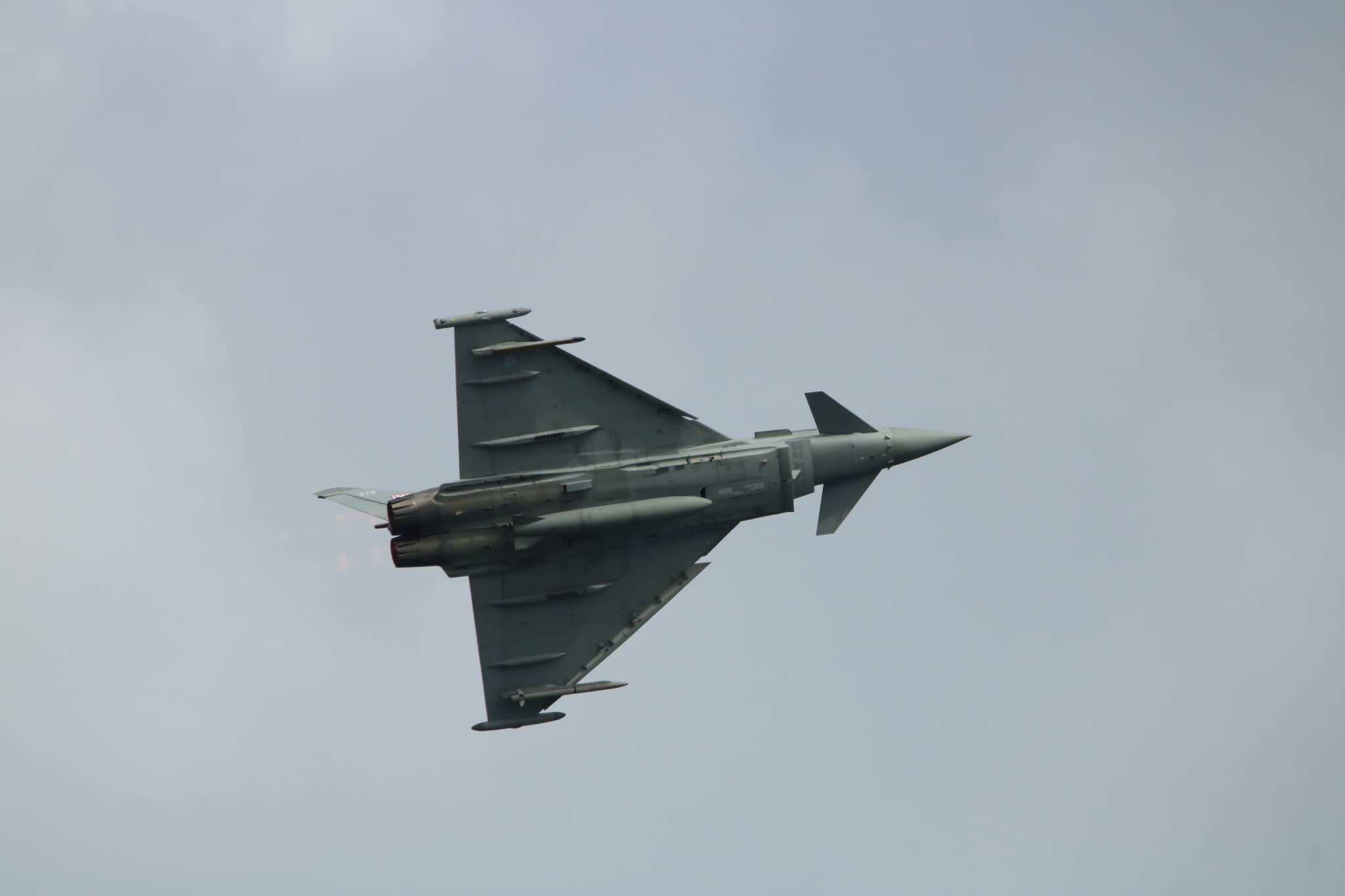
For engineers, suppliers and manufacturers attending an airshow, aircraft such as the Typhoon demonstrate operational capability within the complexity of today’s aerospace supply chain.
Inspiring the Next Generation
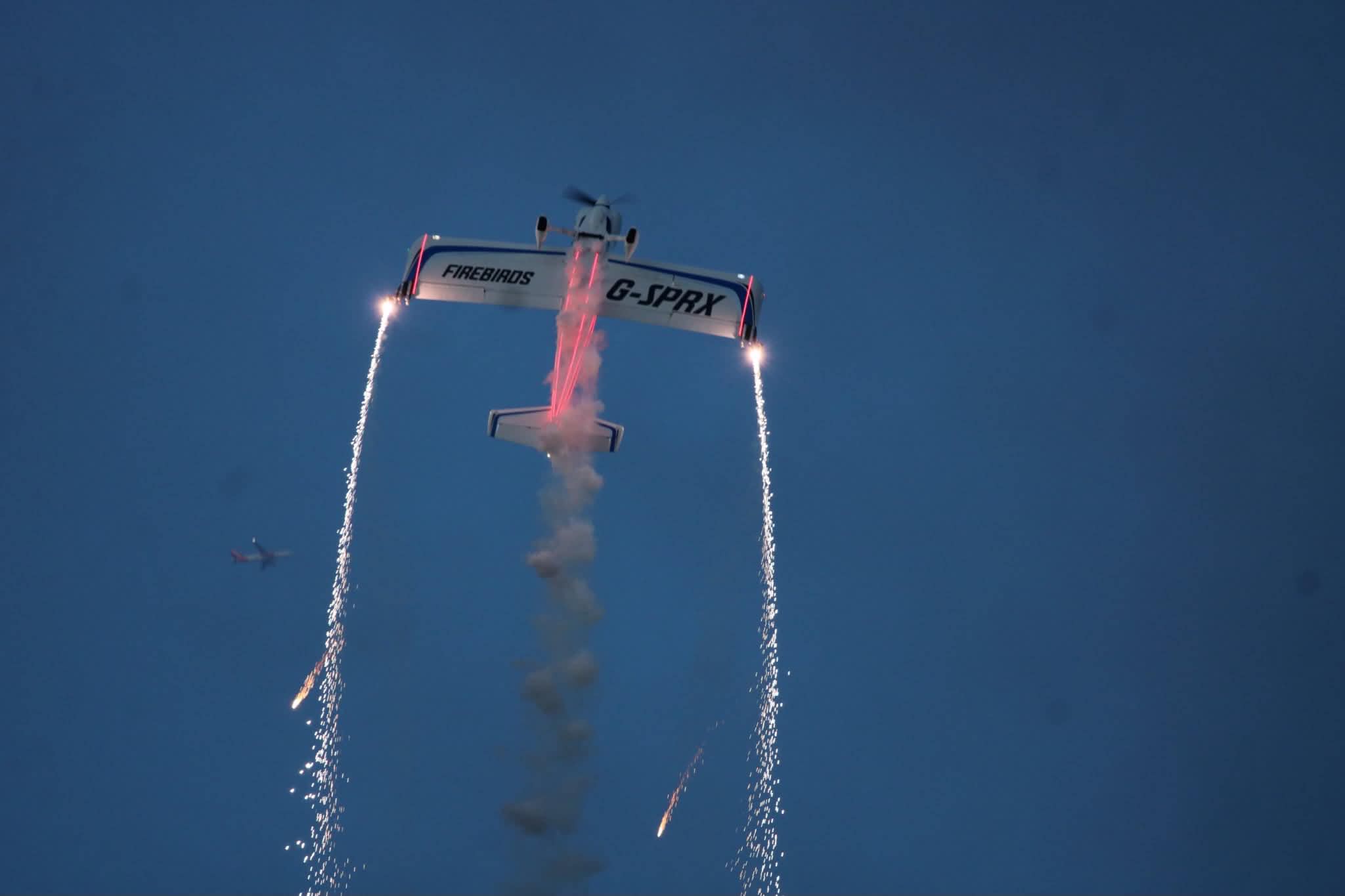
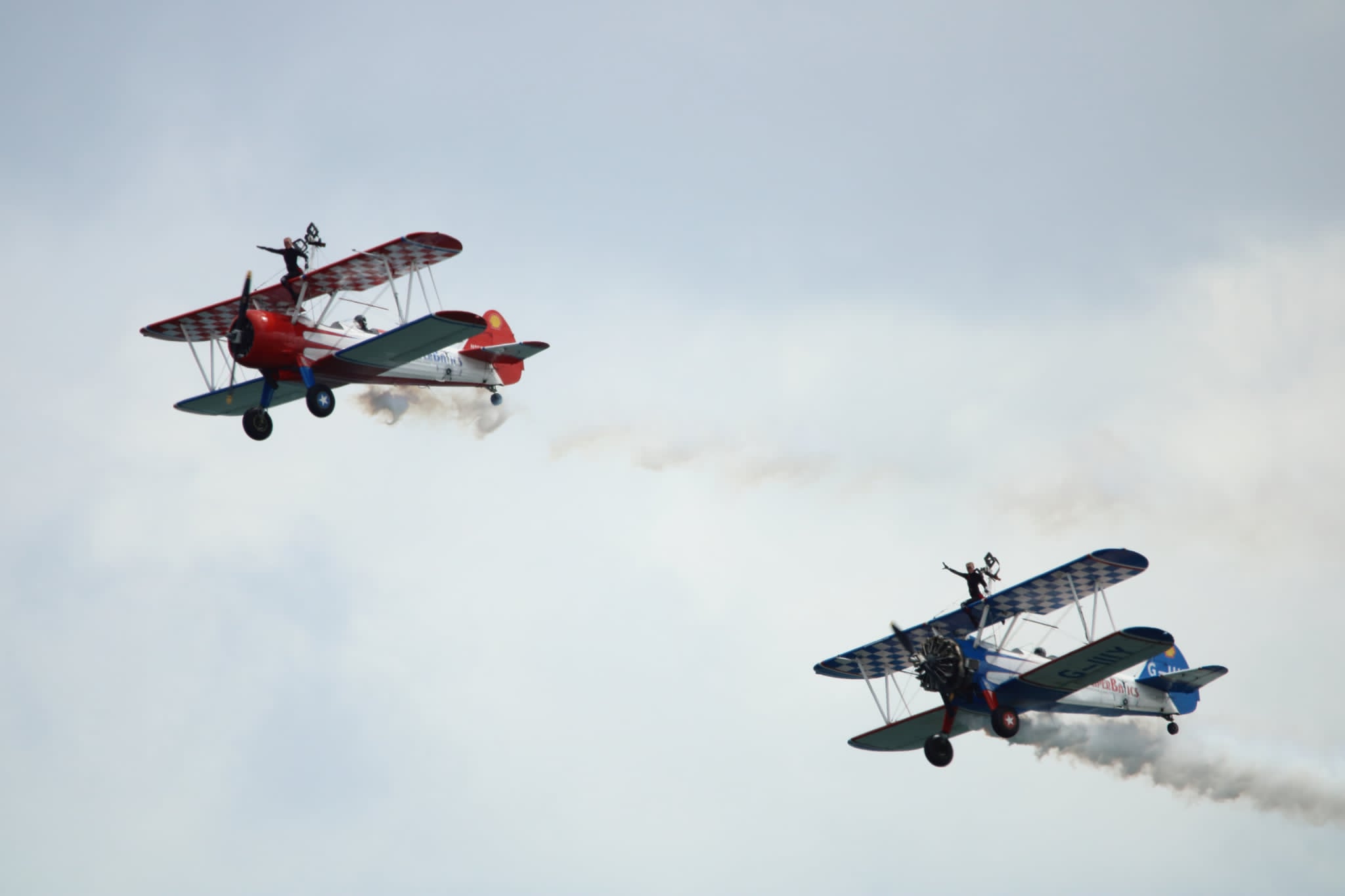
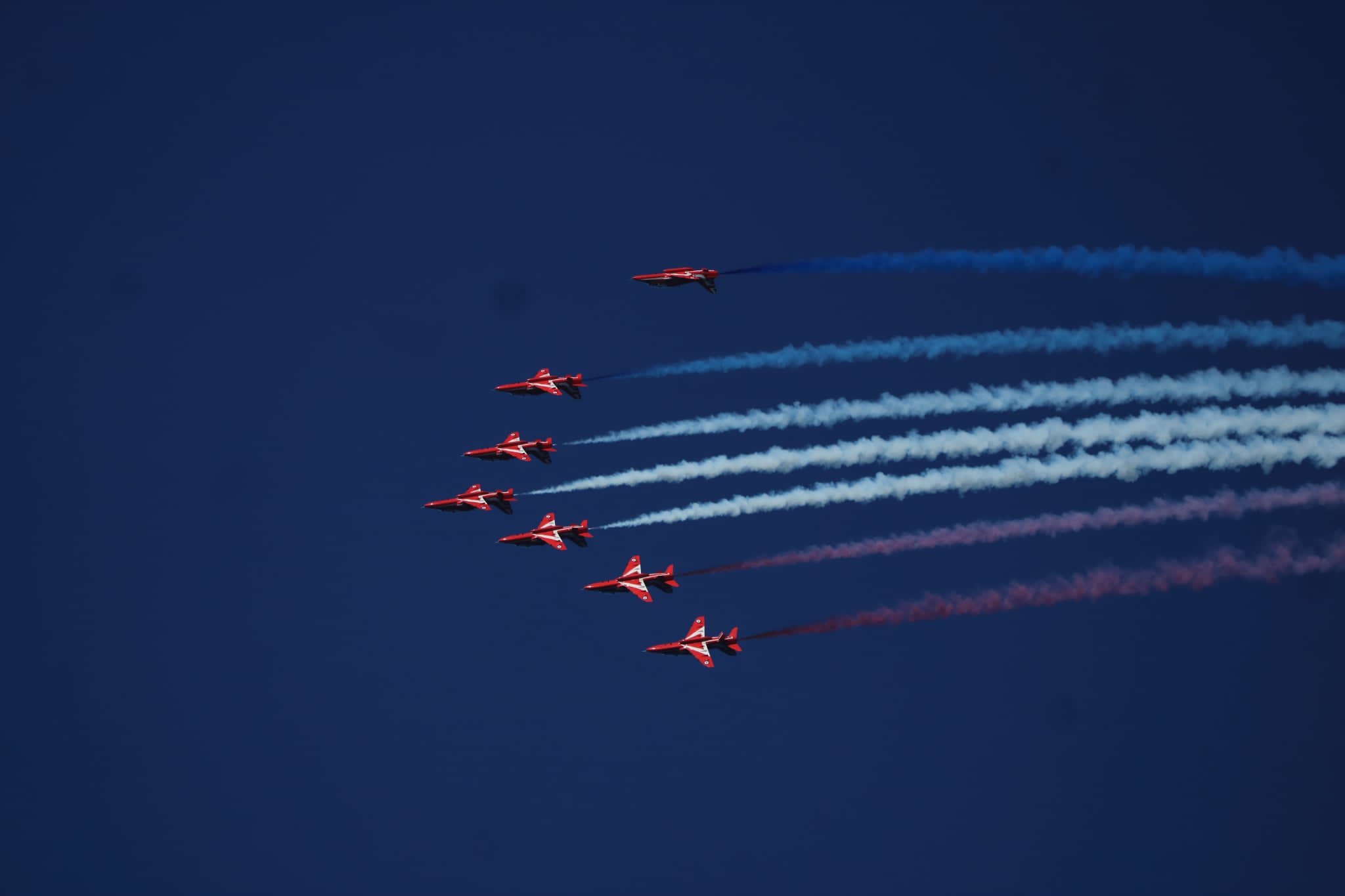
Finally, public attention at airshows can often focus on displays from formation teams. For example, the Fireflies Pyrotechnics Performance combines close-formation flying with carefully choreographed effects, while the Red Arrows continue to draw large crowds through their artistic precision.
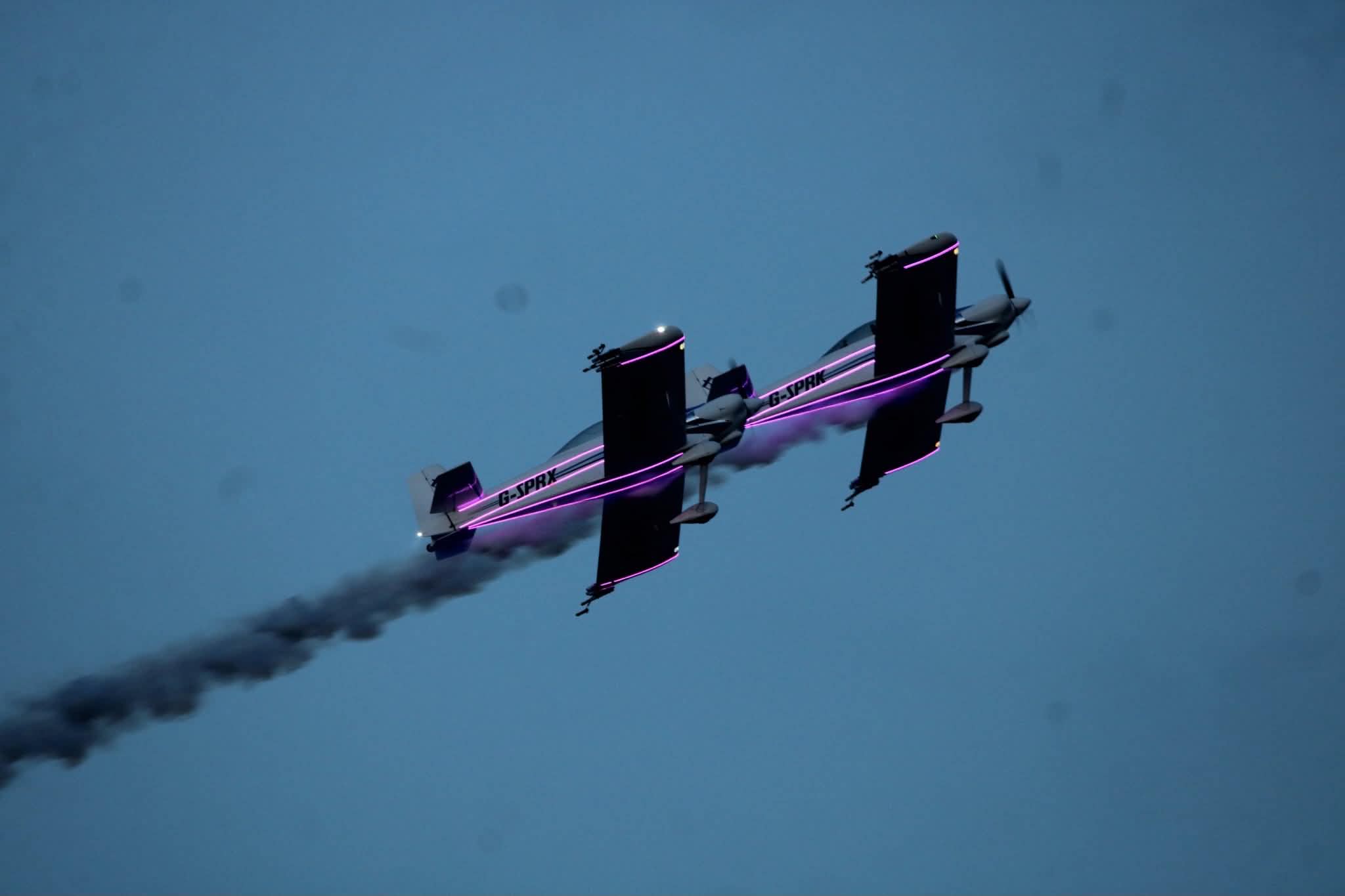
Beyond the entertainment, these performances play an important role in attracting interest and promoting aviation careers.
For many young visitors, an airshow provides a first opportunity to observe and speak with pilots, engineers, apprentices and exhibitors. As aerospace companies continue to recruit across engineering, manufacturing, maintenance and digital technologies, inspiring future talent has become an increasingly important focus for the industry.
Looking Ahead
While community airshows celebrate the excitement of flight, international events demonstrate where the industry is heading next.
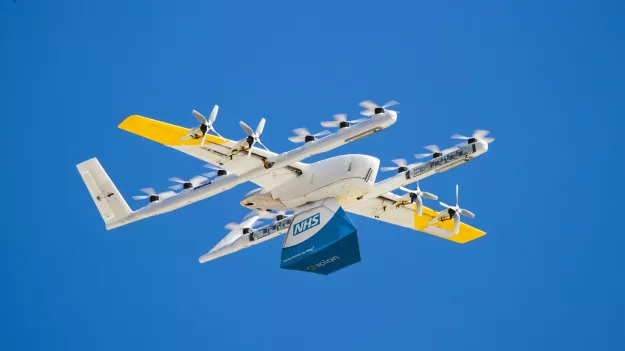
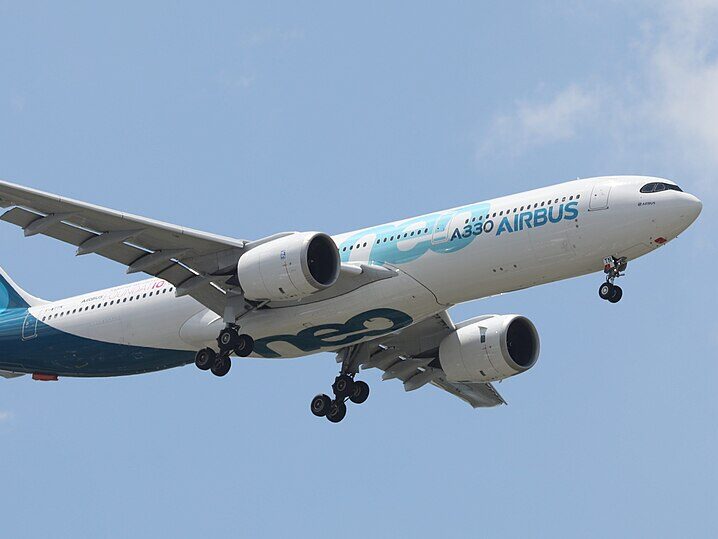
The forthcoming Farnborough International Airshow is expected to showcase developments across sustainable aviation, advanced air mobility, digital manufacturing, artificial intelligence, autonomous systems, and next-generation defence. Manufacturers, airlines, suppliers and governments will gather to discuss the future of aerospace alongside aircraft displays that continue to attract global attention.
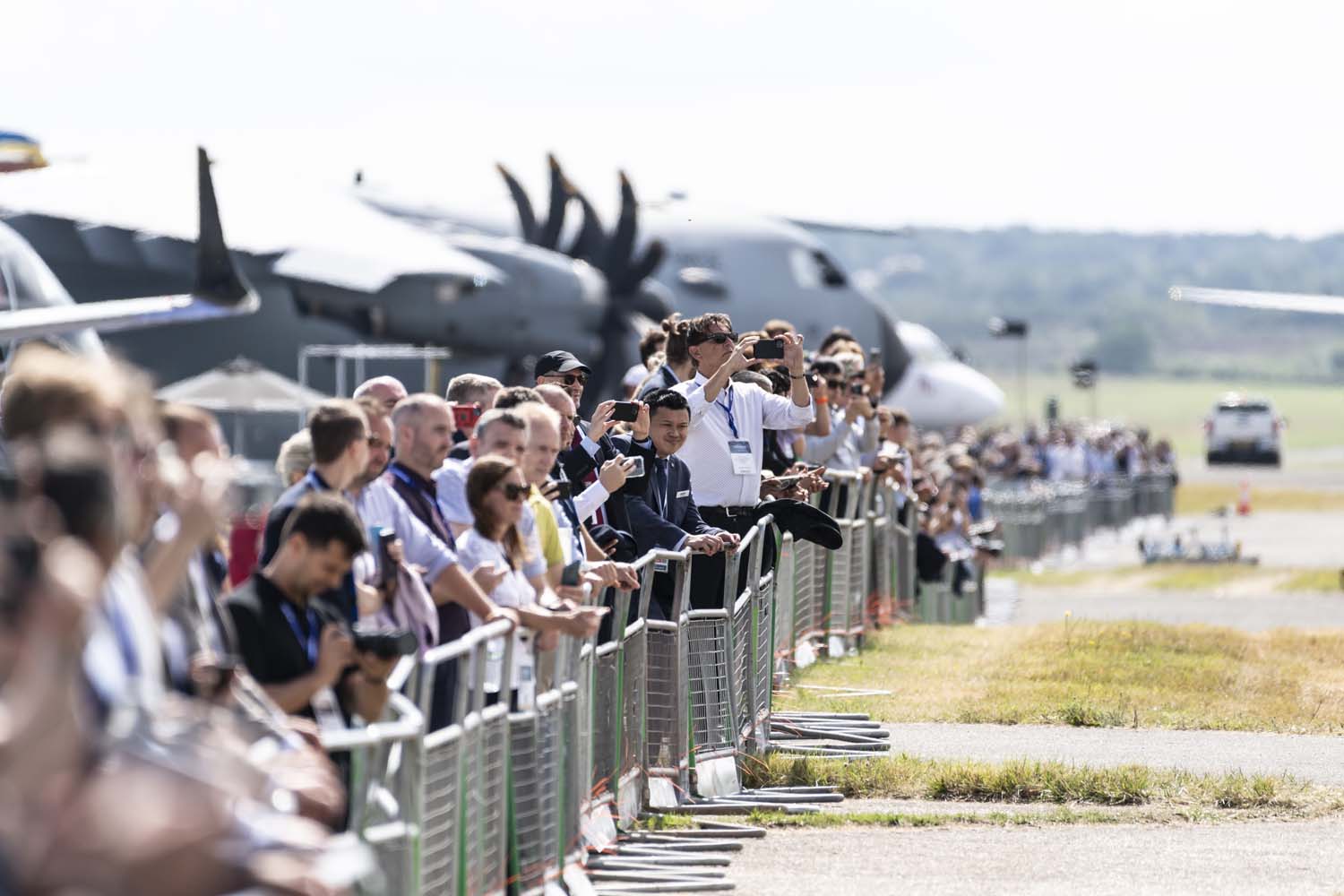
Whether it is a homebuilt Van’s RV-4, an RAF Typhoon or a next-generation aircraft unveiled on the international stage, the principle remains the same. Airshows provide something that virtual meetings and online product launches cannot fully replace: the opportunity to experience aircraft in operation, exchange technical knowledge and connect the manufacturers, operators, suppliers, engineers and future professionals who collectively shape the aviation industry.
Airshows therefore continue to matter not only as public events, but as an enduring part of the aviation industry’s calendar.