By Max Shi, Partnerships & Media Relations | Overseas Dept. at United UAV
Airports are increasingly responsible for understanding what is happening in the low-altitude airspace around runways, terminals, perimeter roads, maintenance areas, fuel facilities, and other operational zones. Small unmanned aircraft can appear quickly, move at low altitude, and create uncertainty for airport operations teams if there is no clear way to detect, verify, and respond to an event.
For that reason, drone detection should not be treated only as a hardware purchase. A useful project begins with operational planning: which areas need coverage, which teams need alerts, how an event will be verified, who is responsible for response, and how the system will be maintained after installation.
Start With The Airport Layout
Every airport has a different risk profile. Large international airports, regional airports, cargo hubs, business aviation facilities, and mixed-use airfields all have different layouts and operating patterns. Before selecting detection equipment, teams should map the areas where a drone event would create the greatest operational concern.
Common planning zones include runway approaches, terminal areas, airside service roads, fuel farms, cargo areas, maintenance hangars, perimeter fencing, parking areas, nearby public roads, and areas where an operator could stand outside the airport boundary. This map helps teams understand where sensors may need to be placed and which locations may have blocked views, heavy traffic, or limited power and network access.
The planning process should also consider terrain, buildings, lighting towers, radar masts, vegetation, and other structures that could affect coverage. A sensor location that looks strong on a flat map may be less effective if the line of sight is blocked or if maintenance access is difficult.
Define The Detection Goal
Not every airport needs the same detection objective. Some sites may need early warning around a wide perimeter. Others may need focused coverage near a runway, terminal, cargo area, or sensitive asset. Some may need a temporary system for construction, events, or special operating periods, while others need a permanent installation.
Teams should define what the system is expected to do in clear operational terms. For example:
- Provide early warning of possible drone activity near airport boundaries.
- Help operators understand whether an object is approaching a protected area.
- Support incident review with time, location, and alert records.
- Give security and operations teams a shared view of the event.
- Reduce uncertainty when a drone sighting is reported by staff or the public.
These goals shape the technology choice. A project focused on broad awareness may be planned differently from one focused on a specific operational zone.
Use Layered Detection Instead Of One Signal Alone
Drone detection can involve several sensing methods, including RF detection, radar, optical cameras, acoustic sensors, and reports from trained personnel. Each method has strengths and limitations.
RF detection can identify signals associated with drone control, video transmission, telemetry, or related communication. It can be valuable for early awareness and, in some cases, direction finding. However, airport RF environments are busy. Wi-Fi, cellular systems, radios, telemetry, ground support equipment, and other legitimate signals can all affect the detection environment.
Radar can help track physical objects in monitored airspace and provide movement information. It can be useful for coverage zones and track continuity, but it depends on line of sight, mounting height, clutter management, and the size and movement of the target.
Optical confirmation can help operators understand what the object may be, but cameras depend on visibility, lighting, weather, field of view, and operator workflow.
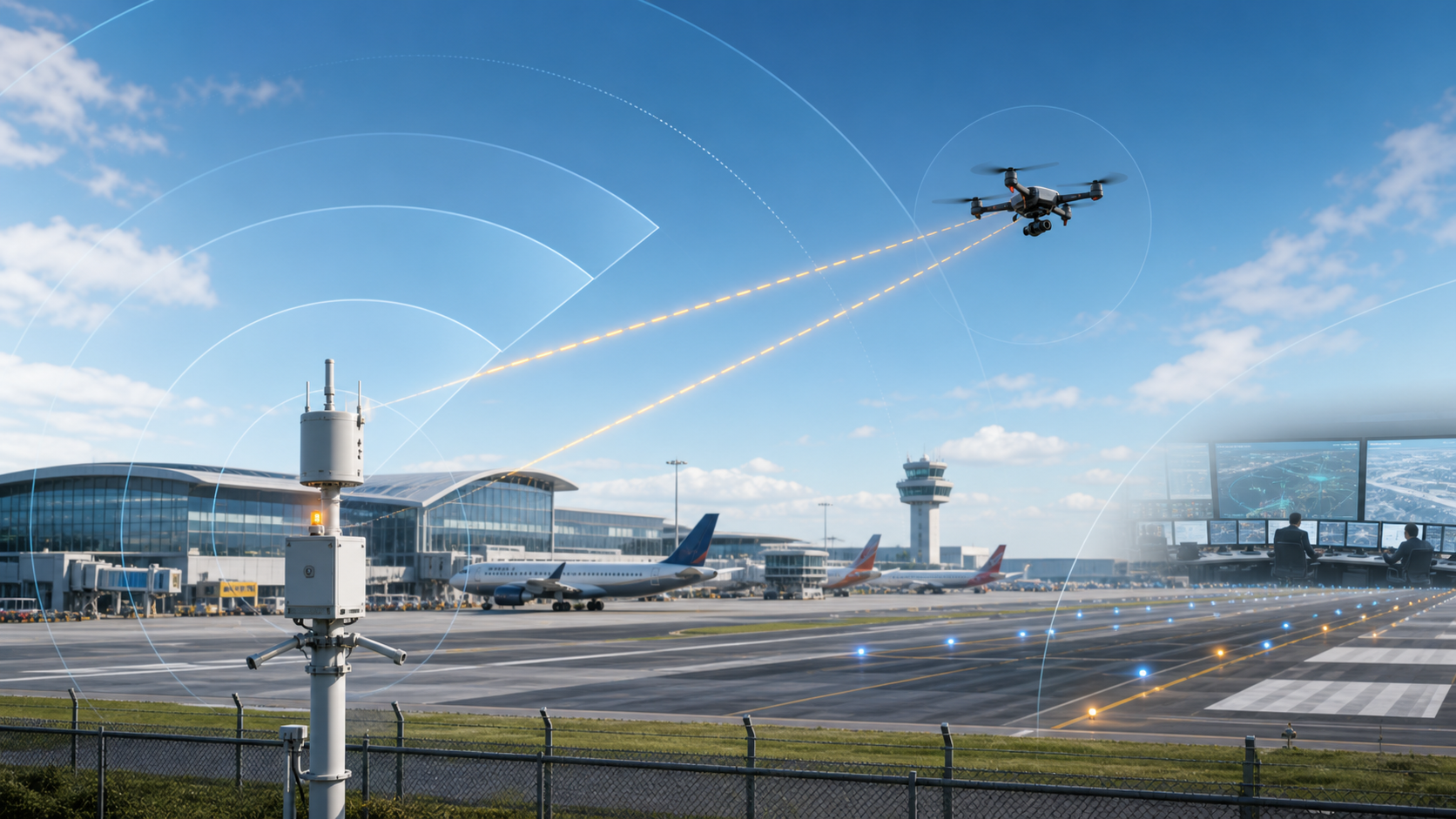
The strongest airport projects usually combine signals into a practical process. An RF alert may indicate possible drone-related activity. A radar track may help show movement and location. Optical confirmation or trained staff reports may help verify what is happening. The system becomes more useful when these signals are connected into a clear workflow rather than viewed separately.
Build An Alert Workflow Before Installation
A detection system is only valuable if the right people receive the right information at the right time. Airport teams should define the alert workflow before installation.
Key questions include:
- Who monitors the system during normal operating hours?
- Who receives alerts after hours?
- What information must be shown in the first alert?
- When should airport operations, security, airside teams, or external authorities be informed?
- How are false alarms reviewed and reduced?
- Who owns post-event reporting and record keeping?
The workflow should separate possible alerts from actionable events. If every signal creates the same level of alarm, operators may lose confidence in the system. Clear event levels can help staff move from detection to verification to response in a disciplined way.
Plan Integration With Existing Operations
Drone detection should fit into the airport’s existing operating environment. That may include security control rooms, operations centres, CCTV systems, access control platforms, radio procedures, incident logs, and emergency-response plans.
Integration does not always need to be complex on day one. In some projects, the first step may be a standalone console and a defined notification process. In larger projects, the system may need to connect with command-centre displays or wider airport systems. The important point is that operators should not have to interpret isolated technical data without a response procedure.
Training is also important. Staff should understand what the system can detect, what it cannot detect, what false alarms may look like, and how to record an event. A short practical training plan often improves operational value more than additional features that staff do not use.
Consider Maintenance and Lifecycle Support
Airport environments change. New buildings are added, equipment is moved, routes change, wireless environments evolve, and seasonal conditions may affect visibility or coverage. A drone detection project should include a maintenance plan from the beginning.
Maintenance should cover sensor health checks, software updates, coverage reviews, alert-log review, operator feedback, and spare-parts planning. If the system is used across several sites, consistent procedures can help teams compare performance and improve response over time.
Lifecycle support also matters for procurement. Airports should ask whether the supplier can provide documentation, training, technical support, replacement parts, and configuration assistance. A system that is difficult to maintain may lose effectiveness even if the initial installation is successful.
Keep The Project Practical
The most effective drone detection projects are practical and site-specific. They begin with airport layout, operational goals, alert workflow, and maintenance planning. They avoid treating one sensor specification as the whole answer.
For airport operators, the objective is not simply to collect alerts. The objective is to improve low-altitude airspace awareness so teams can make better operational decisions. When detection technology is planned around real airport workflows, it becomes part of a reliable safety and operations process rather than a standalone device.
Company Context
United UAV supports global B2B customers with industrial UAVs, inspection drones, tethered drones, drone detection systems, and drone accessories. The company works with international buyers on product selection, configuration, technical guidance, spare parts, and export-oriented support for practical civil applications.
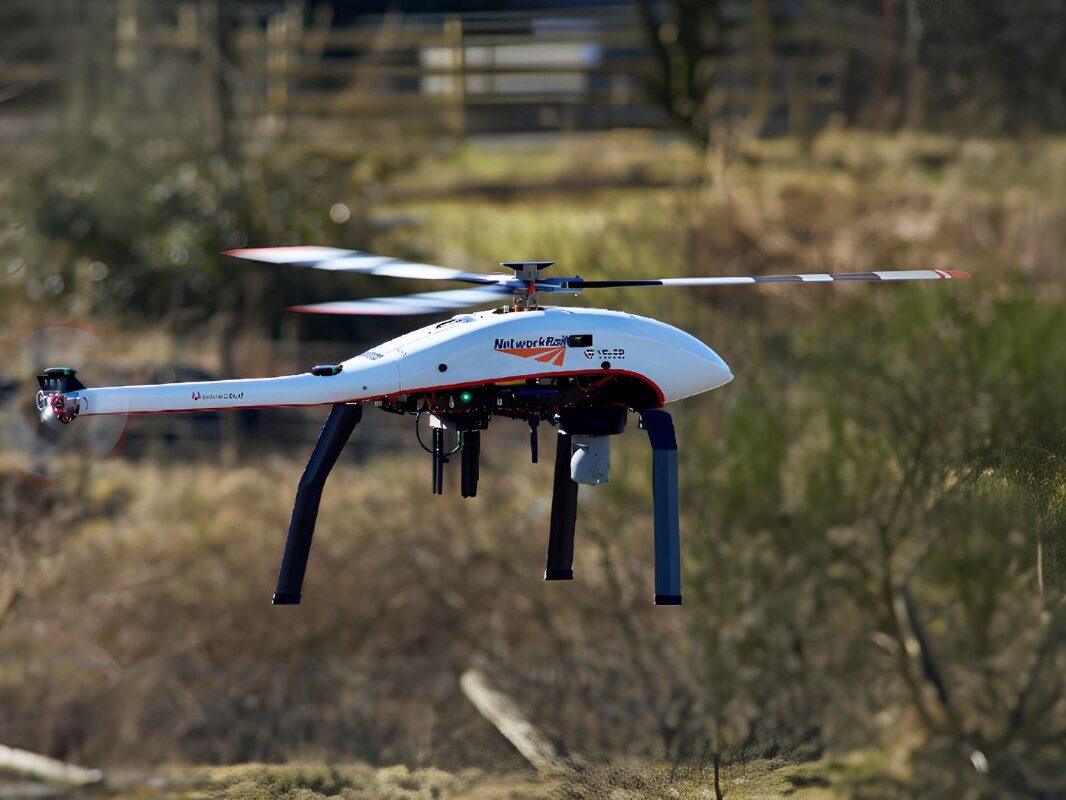
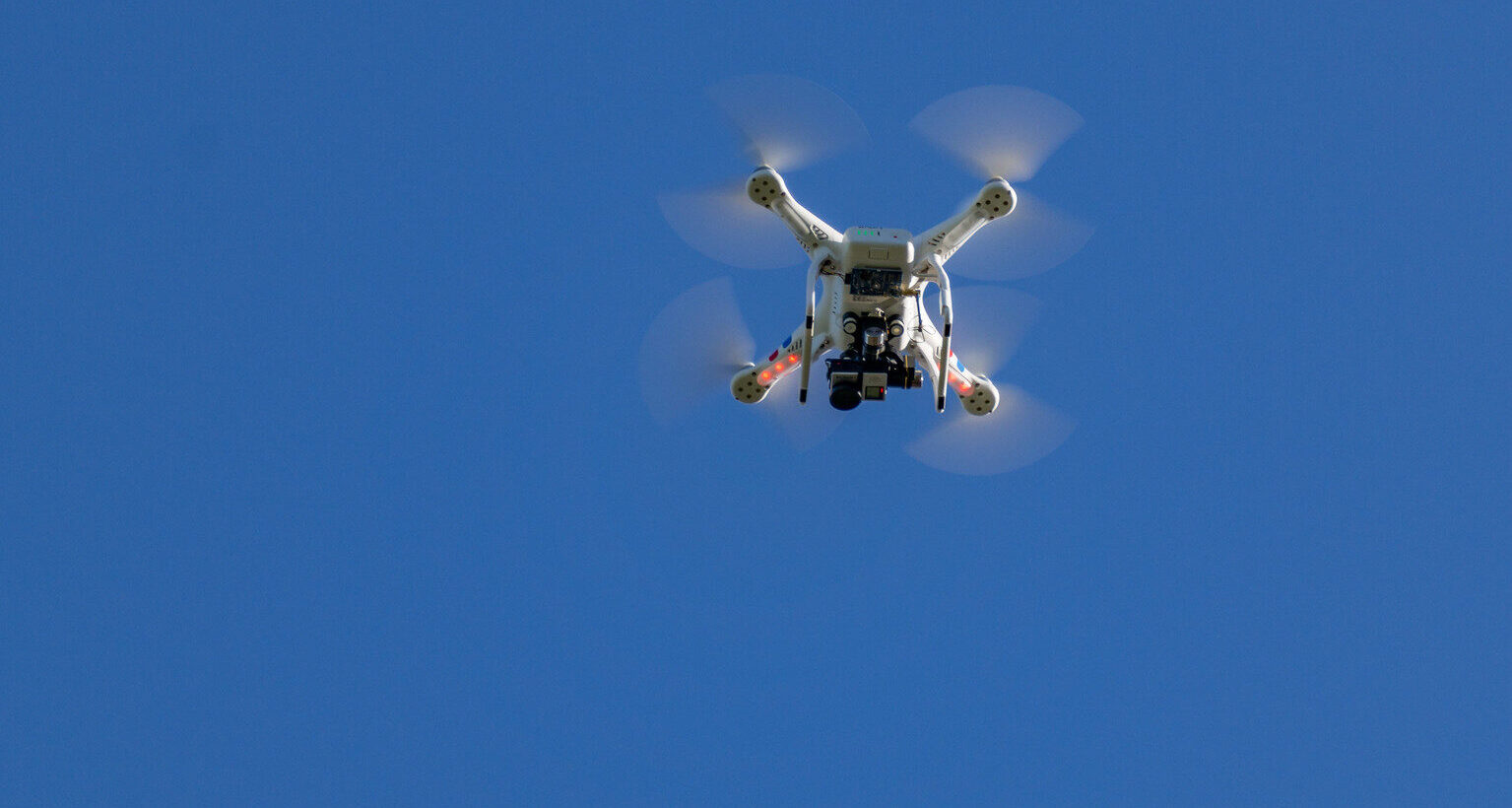
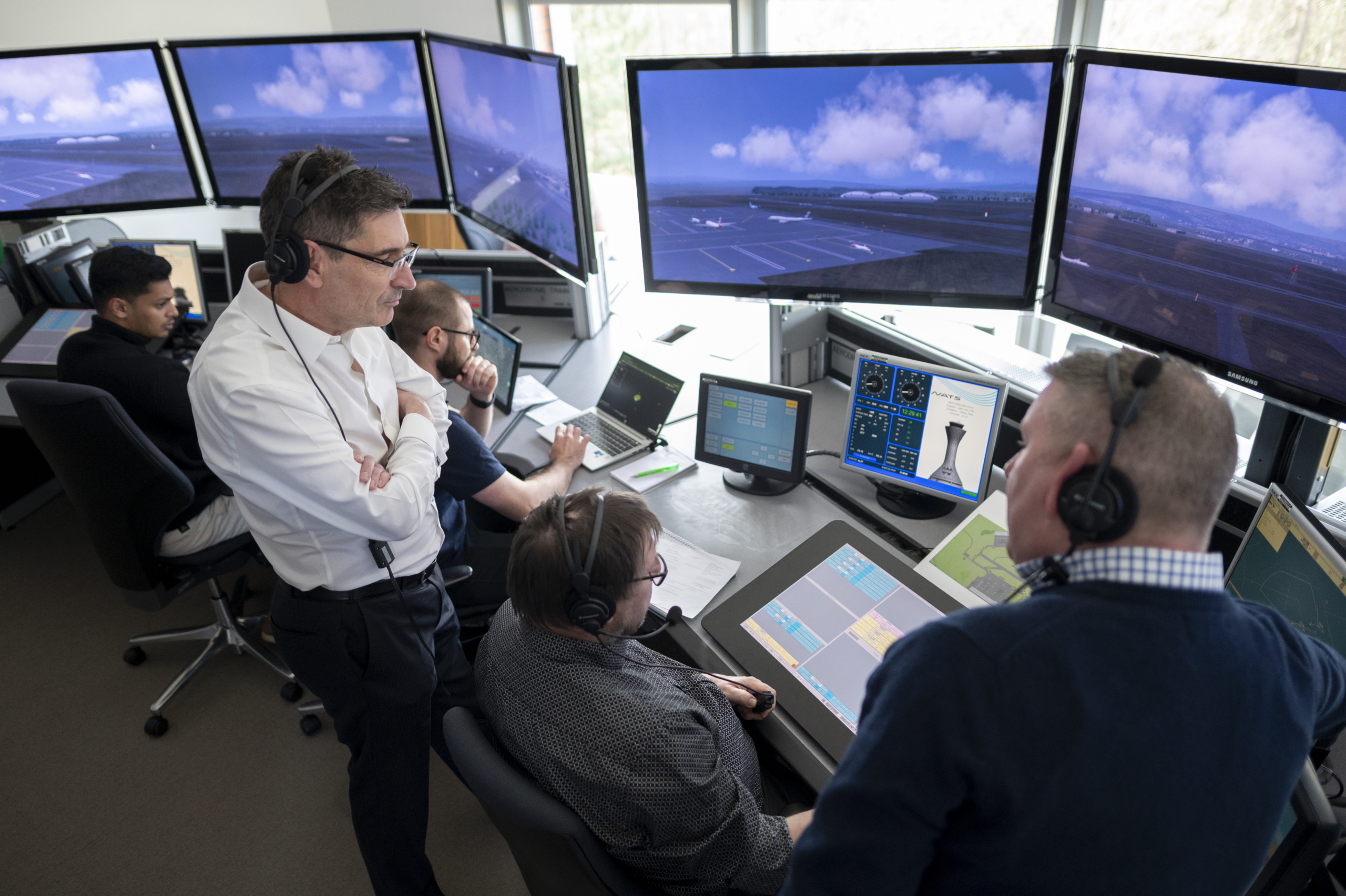
Image caption: Airport drone detection planning should connect sensor coverage, alert workflow, verification, and operations response into one practical low-altitude airspace process.
Max Shi works with United UAV’s overseas partnerships and media relations team, supporting international B2B customers with UAV platform selection, drone detection, and practical civil low-altitude airspace solutions.