More than three decades after Pan American World Airways ceased operations in 1991, the Pan Am name is now being developed across private aviation, hospitality and, potentially, scheduled commercial air services.
The current Pan Am organisation is pursuing a broader strategy than simply recreating the former airline. Pan Am Global Holdings is developing a portfolio of travel and aviation businesses while working with aviation industry partners on the proposed return of Pan American World Airways as a scheduled US carrier.
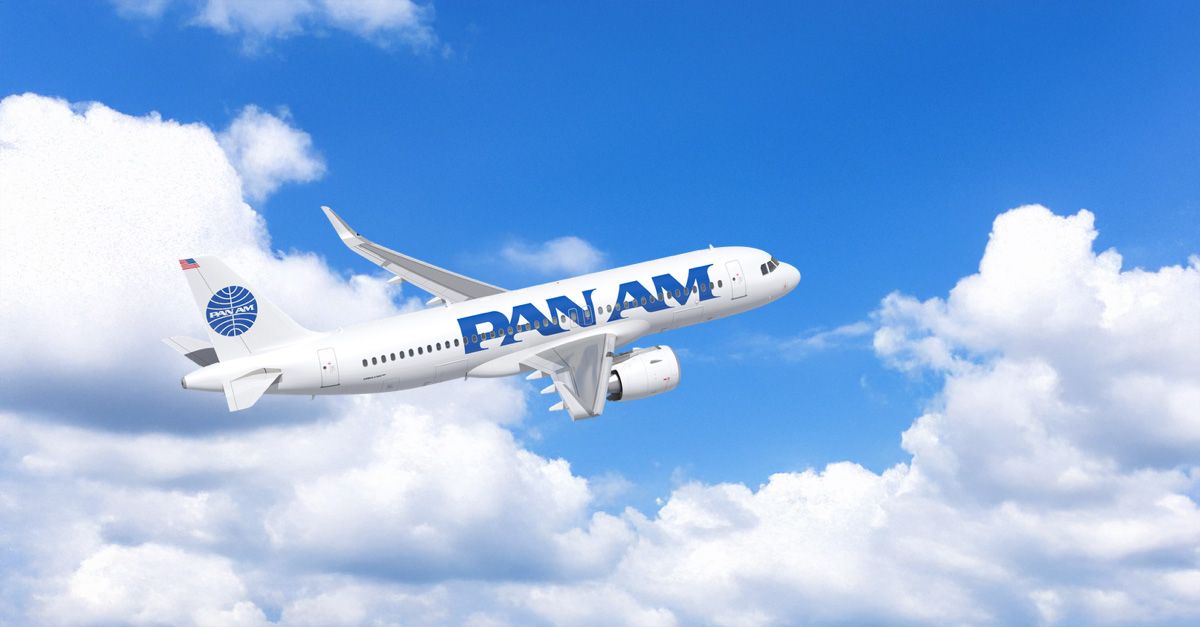
The proposed airline remains subject to regulatory approval, meaning there is currently a distinction between the Pan Am-branded aviation experiences already operating and the future scheduled airline that is being developed.
A New Pan Am Airline
The most significant step towards a return to scheduled operations came in 2025, when Pan Am Brands, part of Pan Am Global Holdings, partnered with AVi8 Air Capital to assess the feasibility of relaunching Pan American World Airways as a scheduled commercial airline.
In October 2025, AVi8 announced that it had completed its business case review and that the Pan Am organisation had initiated the Federal Aviation Administration certification process.
The proposed carrier would need to obtain the necessary FAA and US Department of Transportation approvals before it could begin scheduled operations. The certification process is therefore a key stage in determining whether the proposed airline can move beyond the planning phase.
Pan Am has also begun putting some of the infrastructure in place required for a future airline. In February 2026, Amadeus announced that it had signed a Letter of Agreement with Pan American World Airways to support its planned return to scheduled service.
Amadeus’ technology is intended to provide core passenger and operational capabilities, including booking and inventory management and distribution through both NDC and traditional channels.
The agreement indicates that development work is extending beyond branding and into the systems required to support an airline operation.
While the proposed scheduled carrier is still working through certification, the Pan Am brand has already returned to the air through private aviation experiences. Pan Am Journeys offers curated travel experiences using independent aviation and travel partners. Its current model is based around private charter aircraft and travel rather than scheduled airline services.
The distinction is made explicitly in Pan Am Journeys’ documentation. The business says it curates, promotes and coordinates travel experiences but does not itself operate aircraft or act as a charter operator. Instead, the aviation services are provided by independent private aviation and charter partners.
The model provides Pan Am with a way of reintroducing the brand to travellers while the proposed commercial airline is developed.
One of the company’s current offerings is a 19-day private-jet journey through Africa planned for June and July 2027. The journey is scheduled to use a private Pan Am Boeing 757 configured with 42 lie-flat seats and will visit four countries.
Pan Am’s website presents the brand as a broader travel ecosystem rather than solely an airline. Its businesses and planned developments include Pan Am Travel, Pan Am Journeys, hotels, lounges, fixed-base operator services and other branded experiences.
This approach provides the company with several sources of activity while the airline project progresses. The strategy also reflects the value of the Pan Am name outside the operation of aircraft. The original airline ceased operations in December 1991, but its brand remains associated with the development of international air travel and the expansion of long-distance commercial aviation.
The Regulatory Hurdle
The most important qualification surrounding Pan Am’s proposed return is that scheduled commercial operations have not yet been authorised. AVi8 noted that the certification process has been initiated, but the proposed carrier remains subject to FAA and US Department of Transportation approvals.
As such, the timetable for scheduled passenger flights depends on the progress of certification and the ability of the organisation to meet the regulatory, operational and financial requirements applicable to a new US airline.
Pan Am is already developing relationships across aviation and travel, but a future scheduled operation would require considerably more infrastructure than the private journeys currently being offered. This includes aircraft, crews, maintenance arrangements, airport agreements, ground handling, passenger-processing capabilities, operational control systems and a compliant safety-management framework, alongside the necessary regulatory approvals.
The organisation is currently building the brand across several areas of the travel industry while separately pursuing certification for scheduled air services. Its existing private aviation experiences give the brand an operational presence in aviation, while partnerships, such as the agreement with Amadeus, aim to start establishing the infrastructure required for a future scheduled carrier.