Passenger traffic across the European airport network increased in both July and August 2026, according to data from ACI EUROPE. However, performance varied significantly between national markets and airport groups.
Passenger numbers rose by 3.9% year on year in July and 3.1% in August. This represented an acceleration from the 1.3% growth recorded during the second quarter, when the impact of the war in the Middle East constrained aviation demand.

The strongest growth came from airports outside the EU+ market, where passenger traffic increased by 6.6% in July and 6% in August. Airports in the EU+ market recorded more moderate growth of 3.4% in July and 2.5% in August.
ACI EUROPE said the summer figures came despite geopolitical tensions, economic pressures, airline supply constraints and higher air fares.
Diverging National Markets
The performance of individual European markets varied considerably during August.
Within the EU+ market, airports in Slovakia recorded the largest increase, with passenger traffic up 61% compared with August 2025. Slovenia followed with 19.3%, while Estonia increased by 16.4%, Hungary by 13% and Malta by 12.3%.
Several markets recorded declines. Passenger traffic fell by 9.3% in Iceland, 6% in Austria, 1.7% in France and 1.5% in Cyprus. Norway and Germany recorded smaller decreases of 0.3% and 0.2% respectively.
Among the larger EU+ aviation markets, Italy recorded 5.2% growth and Spain 4.7%. UK airports increased passenger traffic by 0.9%.
Outside the EU+ market, North Macedonia recorded 34.8% growth, followed by Montenegro at 28.6% and Albania at 20.7%. Passenger traffic also increased by 19.5% in Israel, 14.2% in Armenia, 12.6% in Moldova and 10.5% in Uzbekistan. Türkiye, the largest market in this group, recorded 4.4% growth.
Istanbul Leads European Airport Traffic
Airports handling more than 40 million passengers a year recorded overall passenger growth of 1.3% in August.
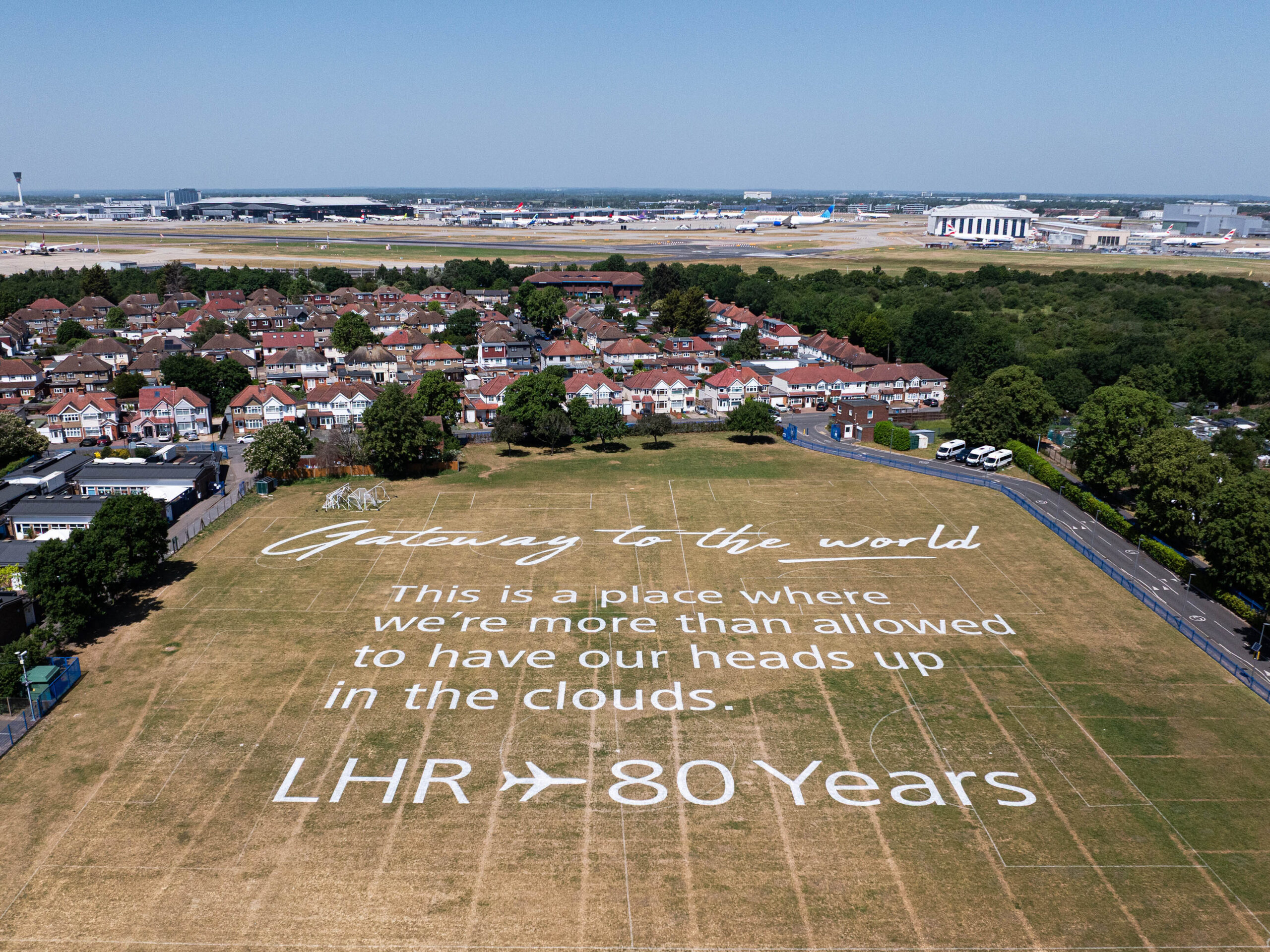
Istanbul Airport handled 8.6 million passengers during the month, an increase of 3%, making it the busiest European airport during the summer month. London Heathrow followed with 7.9 million passengers, although traffic was down 2.1% year on year. Paris-Charles de Gaulle handled 6.9 million passengers, a decrease of 1.1%.
Istanbul Sabiha Gökçen recorded 9.5% growth, while Madrid and Barcelona increased passenger traffic by 4.9% and 4.5% respectively.
Among other major airports, London Gatwick recorded a 3.4% decline. Amsterdam Schiphol was broadly unchanged, with traffic up 0.1%, while Frankfurt and Munich declined by 0.3% and 0.5%.
Airports handling between 25 million and 40 million passengers recorded 0.8% growth. Malaga and London Stansted both increased passenger traffic by 6.5%, followed by Athens at 3.7% and Copenhagen at 3.6%.
Smaller Airports Record Stronger Growth
Airports handling between 10 million and 25 million passengers recorded 4.8% growth in August, while those handling between one million and 10 million passengers increased by 5.2%. ACI EUROPE attributed much of this growth to selective expansion by low-cost carriers, with new transatlantic routes also contributing.
Tirana recorded 20.7% growth, while Tel Aviv increased by 19.5%. Passenger traffic at Tashkent rose 16.6%, Ankara increased by 13.3% and Venice by 12.7%.
Among medium-sized airports, Bratislava recorded a 75.9% increase, followed by Trapani at 52.3%, Podgorica at 47.6%, Skopje at 34.8% and Palermo at 32.3%.
Small airports, handling fewer than one million passengers annually, recorded 4.2% growth. However, this was the only airport category that remained below its August 2019 passenger volumes, with traffic still 25.5% below pre-pandemic levels.
ACI EUROPE said smaller airports continue to face supply pressures as airlines concentrate capacity on larger markets.
Freight and Aircraft Movements
Freight traffic across European airports increased by 0.3% in July before rising by 3% in August. Istanbul Airport recorded the strongest growth among Europe’s 10 largest freight airports, with volumes increasing by 18.1%. Brussels recorded 8.6% growth and Amsterdam 7.6%.
Aircraft movements increased by 2.7% in July and 2.2% in August.
ACI EUROPE Director General Olivier Jankovec said:The rebound in passenger traffic over the peak Summer months shows that air travel demand remains resilient despite continued geopolitical tensions, deteriorating macroeconomic conditions, supply constraints and higher air fares. For Europeans, going on holidays and visiting friends and relatives remains a priority, while our continent remains a magnet for travelers from around the World.
But these headline growth figures mask stark divergences across national markets. Geopolitics are increasingly shaping performance, with passenger traffic stalling – or even declining – in several markets that would normally enjoy strong summer demand.
Looking ahead, the geopolitical energy shock is likely to put further pressure on both supply and demand. Airlines are already tightening capacity and increasing air fares to mitigate their rising jet fuel costs. At the same time, the cost-of-living crisis re-emerging across Europe will test the resilience of demand. For airports, this means a more uncertain outlook with renewed traffic risks and intensifying competitive pressures into the winter season.