The Federal Aviation Administration (FAA) has allocated more than 523 million USD to support infrastructure modernisation and maintenance at airports across the US.
332 grants have been awarded under the Airport Infrastructure Grants programme. The funding covers projects in 43 states for runway rehabilitation, taxiway and apron improvements, terminal upgrades, and other airfield works.
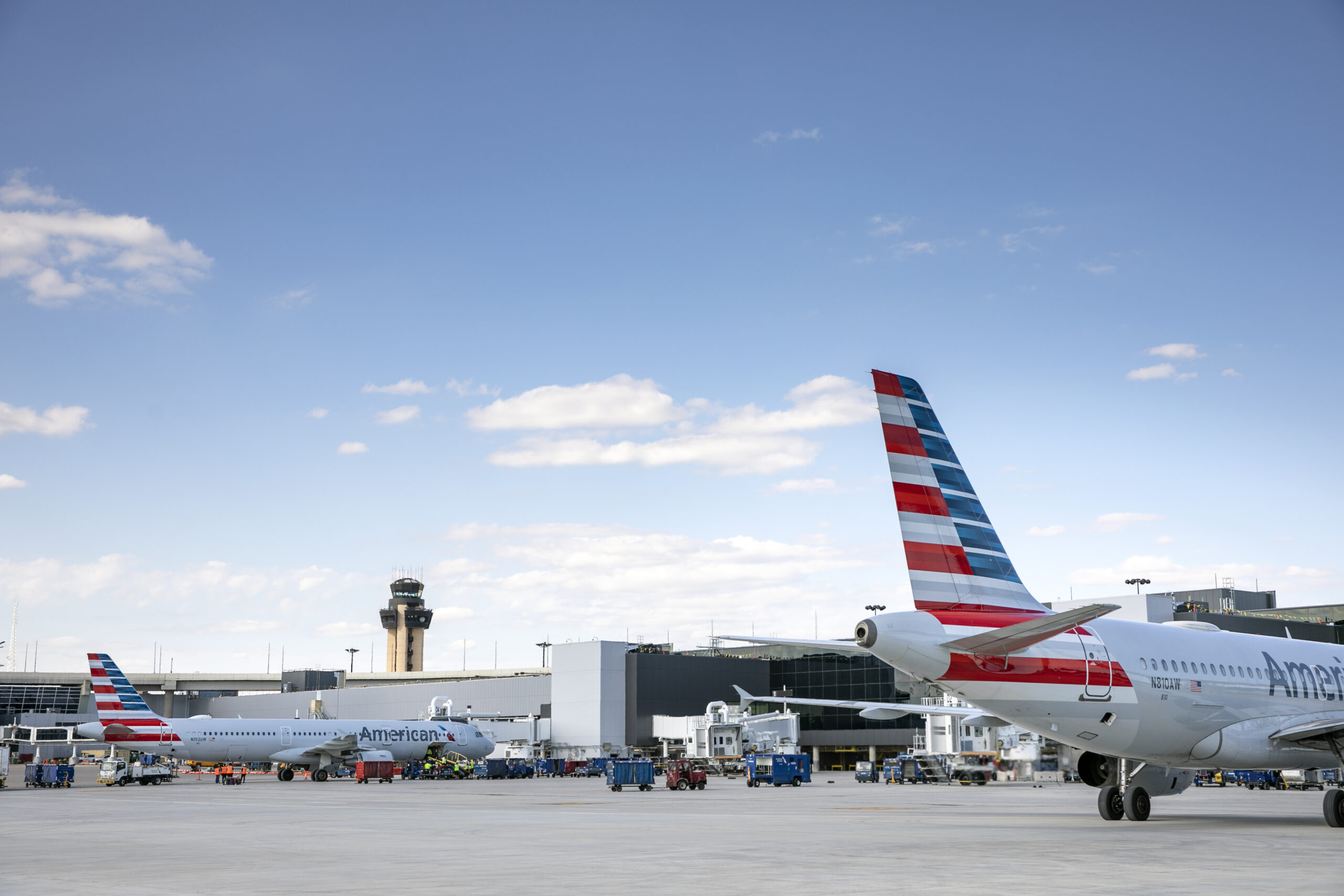
U.S. Transportation Secretary Sean P. Duffy said:Upgrading our runway infrastructure is part of our work to usher in the Golden Age of Transportation. American families deserve state-of-the-art runways and infrastructure that will make their travel experience safer, smoother, and more efficient.
The funding’s major allocations include:
- 70 million USD to Dallas–Fort Worth International Airport for runway rehabilitation
- 46.9 million USD to Charlotte/Douglas International Airport for apron expansion
- 41.9 million USD to Miami International Airport for terminal reconstruction and fuel farm expansion
- 18.7 million USD to Syracuse Hancock International Airport for de-icing pad expansion and reconstruction
- 18.6 million USD to Fort Lauderdale/Hollywood International Airport for taxi lane construction
- 18 million USD to Philadelphia International Airport for taxiway pavement reconstruction
- 16.2 million USD to Orlando Sanford International Airport for taxiway extension
- 10.9 million USD to Baton Rouge Metro Airport, Ryan Field, for terminal and baggage system replacement
- 10.5 million USD to Eppley Airfield in Nebraska for terminal and boarding bridge reconstruction
The FAA’s Airport Infrastructure Grants can be used for a range of purposes, including planning, development, sustainability projects, terminal improvements, baggage system upgrades, runway and taxiway rehabilitation, and access road improvements.
FAA Administrator Bryan Bedford said:The FAA is moving at record speed to deliver these investments to airports nationwide. These projects will improve reliability across the aviation system while helping airports meet growing demand.