Commercial aviation will be a central theme at the 2026 Farnborough International Airshow, with manufacturers, airlines and aerospace companies presenting aircraft for long-haul passenger operations, regional aviation, cargo transport and advanced air mobility.
While defence platforms continue to occupy a significant part of the exhibition and flying programme, this year’s line-up also reflects several trends shaping the civil aviation sector, including more fuel-efficient narrowbody aircraft, long-range widebodies, and eVTOL technology.
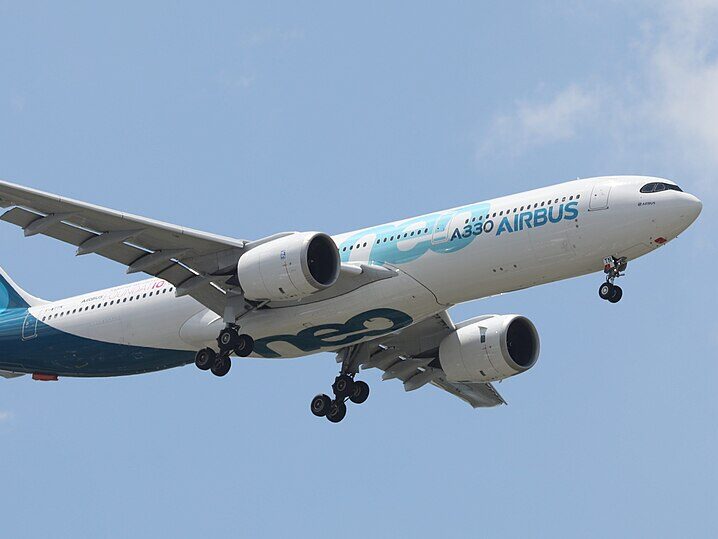
Airbus’ Widebody and Narrowbody Programme
Airbus will showcase aircraft from across its commercial portfolio, with both flying and static displays.
The A350-1000 will perform in the daily flying display, demonstrating the manufacturer’s flagship long-haul aircraft. The aircraft is increasingly being selected by airlines seeking to replace older widebody fleets while reducing fuel consumption and emissions.

Joining it on static display will be an Emirates A350-900, representing the airline’s ongoing expansion of its A350 fleet following its entry into service.
Furthermore, a United Airlines A321XLR will be one of the first examples of Airbus’ extended-range narrowbody to appear at Farnborough. With a range of up to 8,700 kilometres, the aircraft enables airlines to operate longer point-to-point routes using a single-aisle platform, opening markets that would previously have required larger aircraft.
Alongside its commercial aircraft, Airbus will also display several autonomous systems, including the Flexrotor, Aliaca, CAPA-X and other unmanned aircraft, highlighting the company’s wider investment in autonomous aviation technologies.
Embraer’s Regional Aircraft
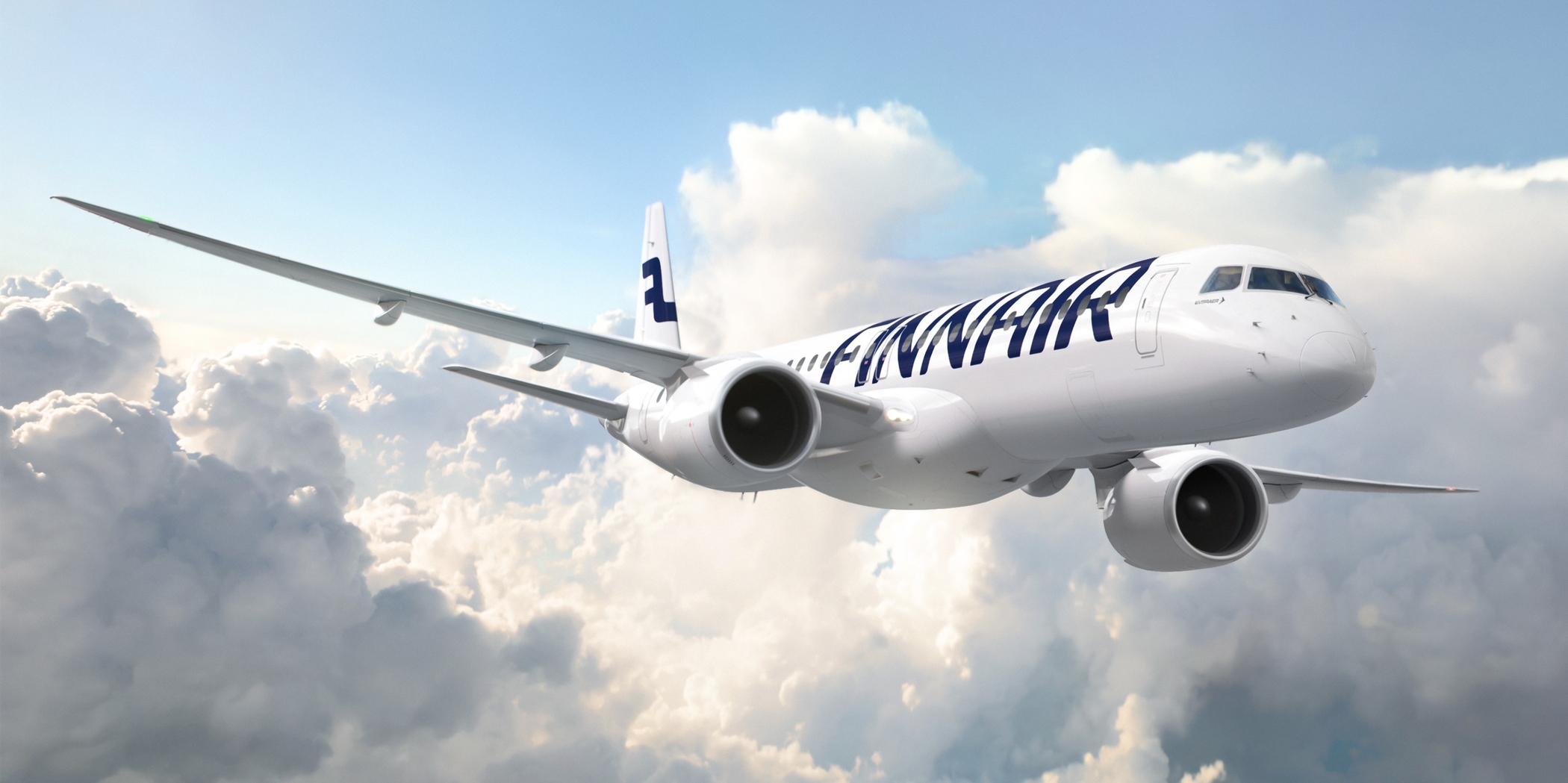
Embraer will present its E195-E2 on static display. As the largest member of the E2 family, the aircraft continues to attract airlines looking to improve efficiency on regional and lower-demand routes while maintaining passenger capacity comparable with larger narrowbody aircraft.
The manufacturer will also perform flying demonstrations of the C-390 Millennium, although the aircraft’s primary role remains military transport.
Cargo Aircraft
Freight aviation will also feature prominently at the Farnborough International Airshow.
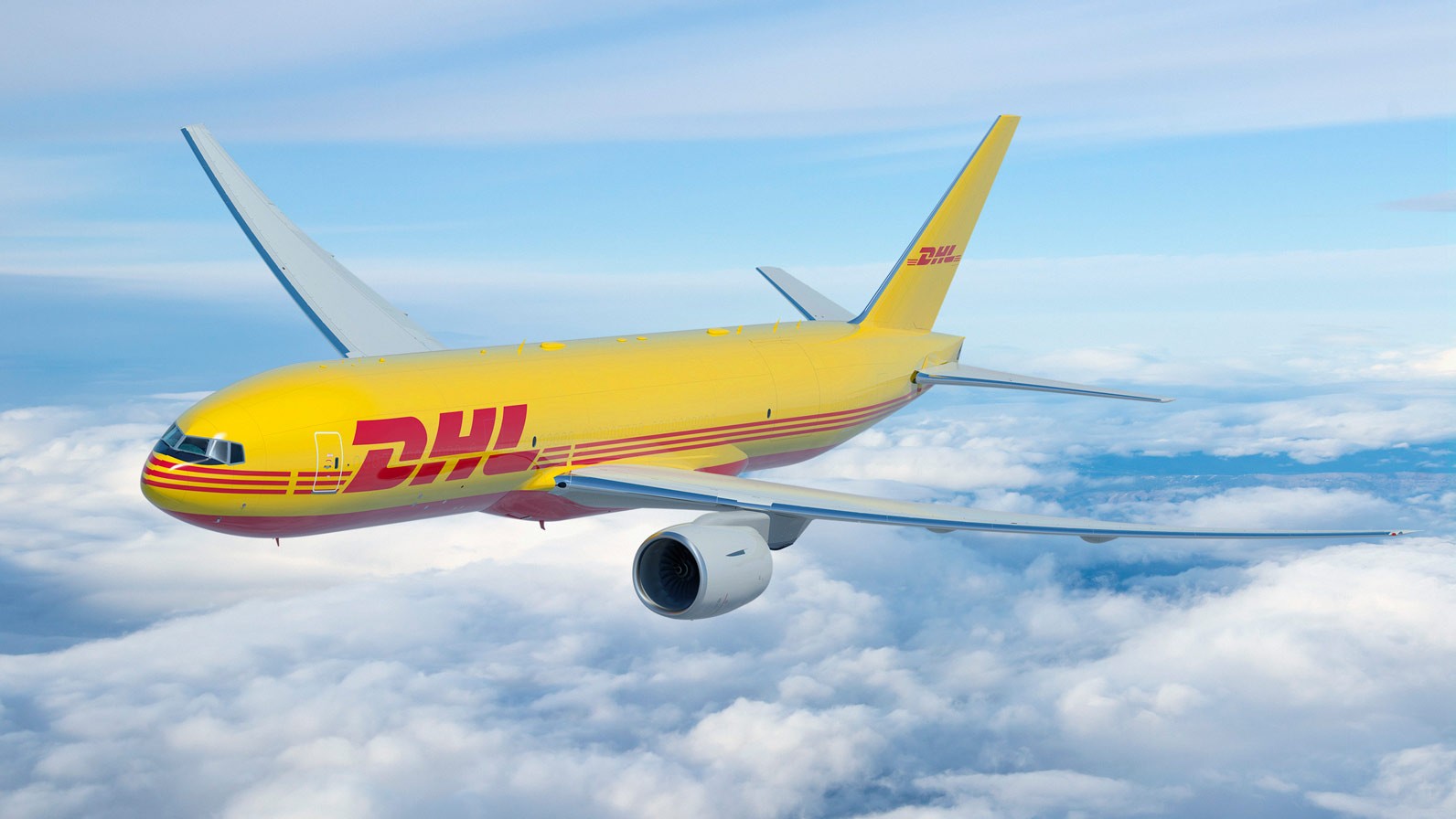
DHL Air UK is exhibiting its Boeing 777-200LRMF, reflecting continued investment in long-range dedicated freighter aircraft as global air cargo networks evolve.
Textron Aviation will display the Cessna SkyCourier, a twin-engine utility aircraft designed for regional cargo operations and passenger transport. Since entering service, the SkyCourier has found customers in both cargo logistics and regional airline markets.
GE Aerospace will also exhibit its Boeing 747-400 flying testbed, which the company uses for engine development and certification programmes rather than commercial airline operations.
Business Aviation
Business aviation manufacturers will also have a strong presence.
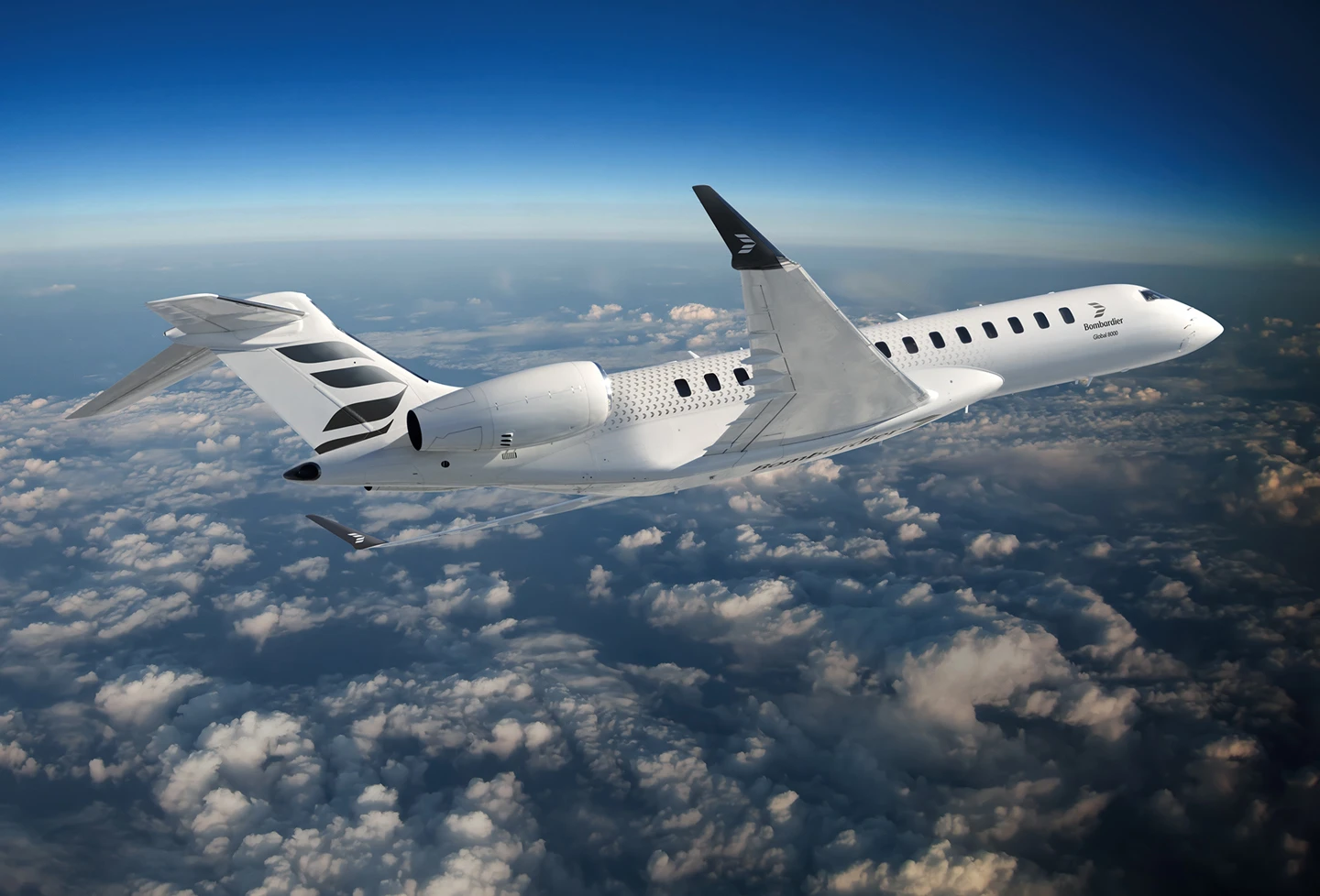
Bombardier’s Global 8000 will perform flying displays throughout the week, showcasing what is expected to become the company’s new flagship business jet.
Dassault Aviation will exhibit its Falcon 6X, while GE Aerospace’s Saab 340B flying laboratory will demonstrate engine testing capabilities.
These aircraft respond to continued demand within the long-range corporate aviation market, alongside ongoing development of new propulsion and testing technologies.
Advanced Air Mobility
Electric aviation and advanced air mobility companies will occupy a significant area of the exhibition.
Vertical Aerospace will demonstrate its VA-1X in the flying programme while also displaying its larger Valo aircraft concept.
US developer Joby Aviation is exhibiting its production-intent eVTOL aircraft, while Archer Aviation will display its Midnight aircraft, which is being developed for short urban and regional passenger services.
BETA Technologies will showcase both its CX300 conventional electric aircraft during the flying display and the MV250 on static display. The company is pursuing both conventional take-off electric aircraft and vertical-lift platforms to address different operational requirements.
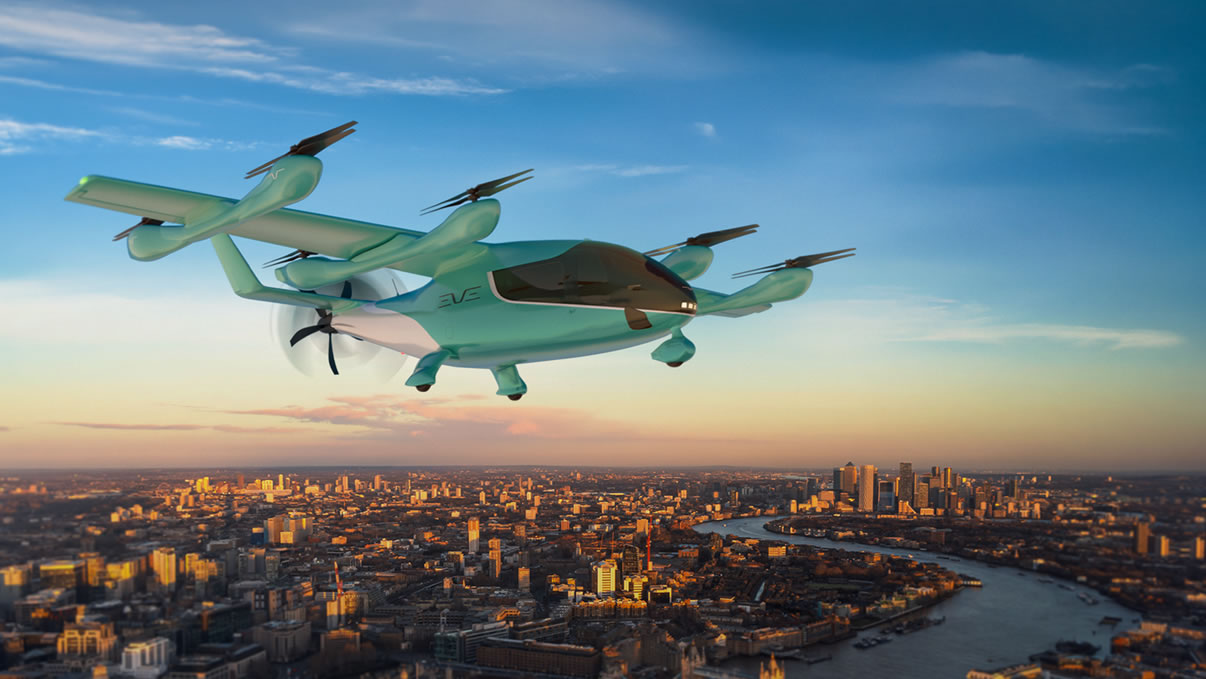
Eve Air Mobility is also displaying its Eve 100, adding to the growing number of manufacturers presenting electric aircraft aimed at future regional and urban transport networks.
Aircraft announcements and commercial orders remain a defining feature of Farnborough. The exhibition line-up also provides an indication of where manufacturers are directing investment.
Alongside established long-haul and narrowbody programmes, the presence of electric aircraft, autonomous systems, cargo platforms and regional aircraft reflects an industry balancing immediate airline requirements with longer-term ambitions around sustainability, operational efficiency and new forms of air transport.