The Transportation Security Administration (TSA) has presented its fiscal year 2027 budget proposal to lawmakers, outlining planned spending of 11.7 billion USD and a focus on screening technology, staffing stability and closer cooperation with private industry.
Appearing before the House Appropriations Committee on 16 April, Ha Nguyen McNeill, the agency’s senior official performing the duties of administrator, said the request aims to maintain security operations while responding to rising passenger numbers and evolving threats.
Workforce Pressures Following Shutdowns
McNeill told the subcommittee that recent government shutdowns during the 2026 fiscal year had disrupted pay for much of the workforce, with nearly 1 billion USD in wages delayed. Around 95 percent of staff were required to continue working without pay during those periods due to the agency’s national security role.
She noted that most TSA employees are based outside the National Capital Region, working in airports and transport hubs across the United States, and argued that consistent funding is necessary to avoid similar nationwide disruptions in future.
Investment in Screening Technology
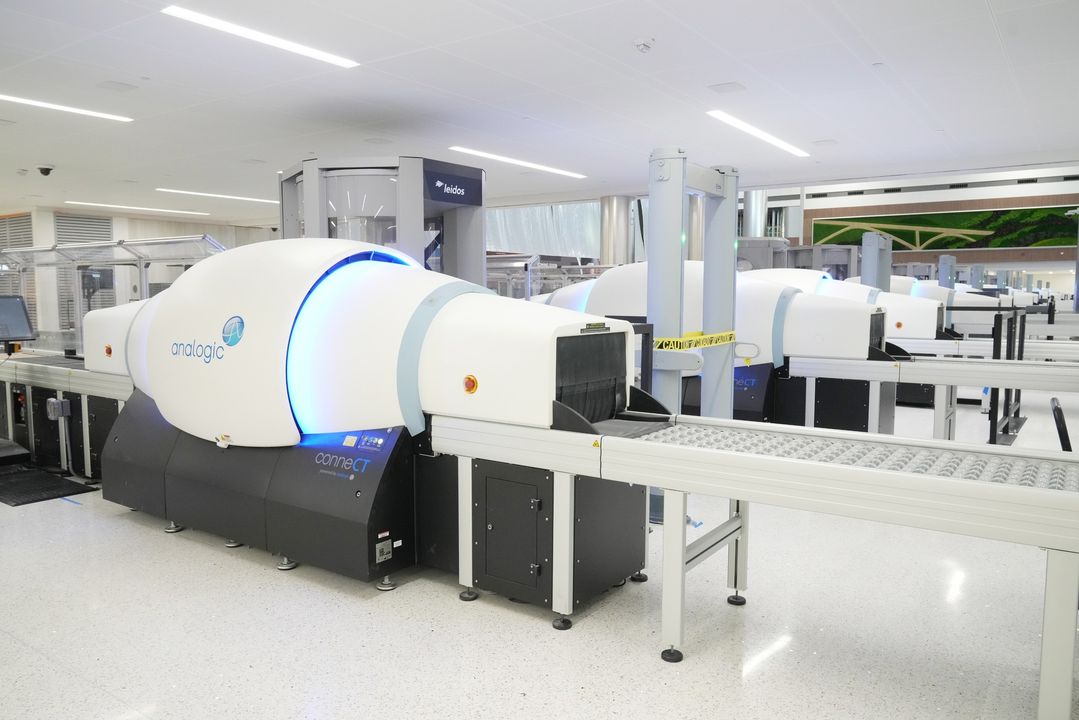
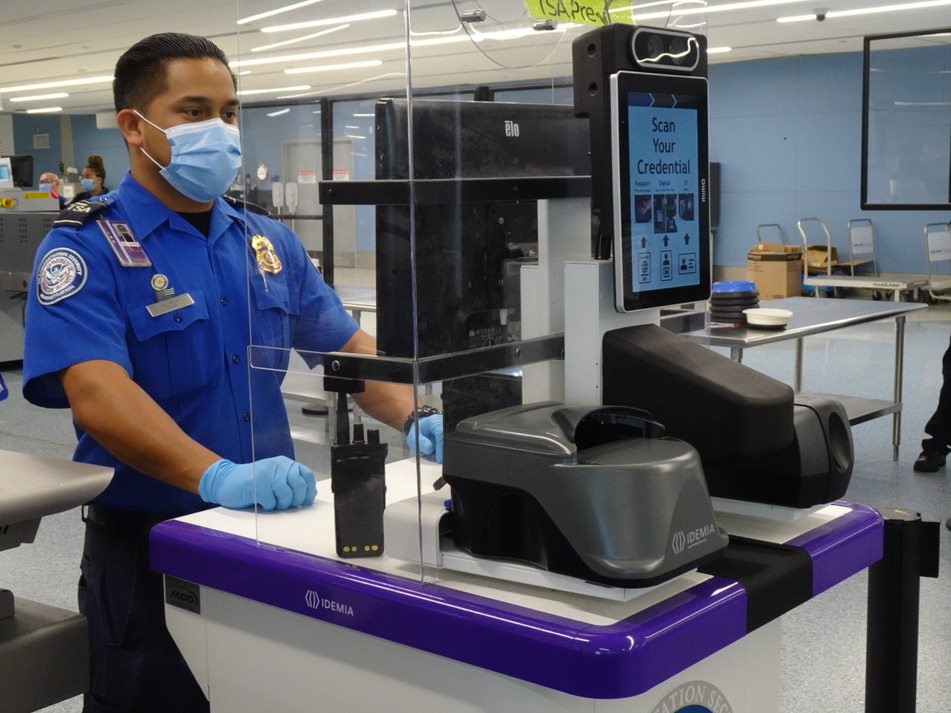
A central element of the proposal is more than $390 million for aviation screening systems. Planned investments include computed tomography scanners, credential authentication tools and automated checkpoint technologies intended to improve both detection capability and passenger flow.
Officials said the upgrades are designed to manage higher travel demand while reducing the need for manual searches. The agency also plans to expand the use of biometric and identity verification tools at checkpoints.
Proposed Changes to Passenger Fees
The administration has again asked Congress to end the diversion of aviation security passenger fees դեպի deficit reduction. Currently, about $1.6 billion a year collected from travellers is redirected away from TSA operations.
Under the proposal, those funds would instead be used to support screening activities and related infrastructure.
Expansion of Private Sector Partnerships
The budget includes measures to expand cooperation with private contractors through programmes such as the Screening Partnership Program, which allows airports to use private security personnel under federal oversight.
An additional 477 million USD is proposed to enable more small airports to join the scheme. TSA said it also intends to develop partnerships ahead of major international events scheduled in the United States, including the 2026 FIFA World Cup and the 2028 Olympic Games.
A separate initiative, the One-Stop Security pilot, is being tested on selected international routes. Trials at Heathrow Airport have allowed some passengers travelling to US destinations, including Hartsfield–Jackson Atlanta International Airport and Dallas Fort Worth International Airport, to avoid repeat security screening on arrival.
According to TSA, the scheme can reduce connection times by up to two hours for eligible travellers.
Identity Verification
The agency also highlighted its enforcement of the REAL ID Act, which sets standards for identification used at airport checkpoints. Since May 2025, passengers have been required to present compliant identification or an approved alternative.
For those without valid documents, TSA has introduced a paid identity verification process known as ConfirmID. Travellers using the system are charged a fee and undergo additional checks before being allowed to fly.
Legislative Outlook
McNeill said the agency’s priorities depend on the timely approval of funding legislation. She urged lawmakers to pass outstanding appropriations measures and provide longer-term budget certainty.
The proposal comes as TSA and other federal agencies continue to navigate funding gaps and prepare for increased travel demand in the coming years.
Read more about recently proposed plans for the TSA:
- Trump Proposes Partial Privatisation of TSA in Budget Plan
- US: Why Labor Groups Warn Against Privatising TSA