Airport readiness is recognised as a critical component in enabling the future of hydrogen-powered flight. At Sustainable Skies World Summit 2026, discussions delved into what this readiness should look like and how close the industry is to delivering it.
The conference affirmed that even if hydrogen aircraft were ready tomorrow, the majority of airports would not be capable of handling them. Indeed, hydrogen is an operational challenge on the ground, not just an engineering challenge in the sky.
Unlike conventional jet fuel or sustainable aviation fuel (SAF), hydrogen introduces different requirements for storage, transport, and handling. Meeting these requirements demands significant investment in infrastructure, alongside a clear understanding of cost, safety, and operational integration. To do so successfully, industry experts emphasised the need for gradual, incremental changes and forward planning.

Energy Infrastructure
For one, hydrogen aviation will place new demands on airport energy systems, as electrolysis, along with the compression or liquefaction of hydrogen, requires substantial electrical input. However, David Debney, Head of Technology: Whole Aircraft at the Aerospace Technology Institute (ATI), noted that gaining permission for a high-power supply at an airport can take 10-15 years. He therefore argued that action must begin now and reasoned that this would be a low-regret move, supporting a range of future technologies, not just hydrogen. Such investment thus avoids locking airports into a single pathway while ensuring they are prepared for whatever solution ultimately scales.
However, Debney did acknowledge the associated financial challenge for such investment, especially for smaller airports. This is crucial, as small airports will likely provide key use cases for early hydrogen aircraft with fewer seats and lower ranges. For example, Simon McNamara, Head of Government & Corporate Affairs at Loganair, highlighted that Loganair’s shortest flight lasts just 90 seconds between Westray and Papa Westray. Here, a hydrogen aircraft could bring operational costs down while offering a more sustainable option for short-range regional travel — as long as the airports could accommodate them.
For these use cases, McNamara acknowledged that infrastructure and energy supply remain significant challenges. Yet, he argued that the obstacles are often overstated, since smaller airports typically experience lower traffic volumes and have simpler layouts, easing operational demands. This combination makes them ideal testbeds and natural candidates for phased implementation.
Regulations
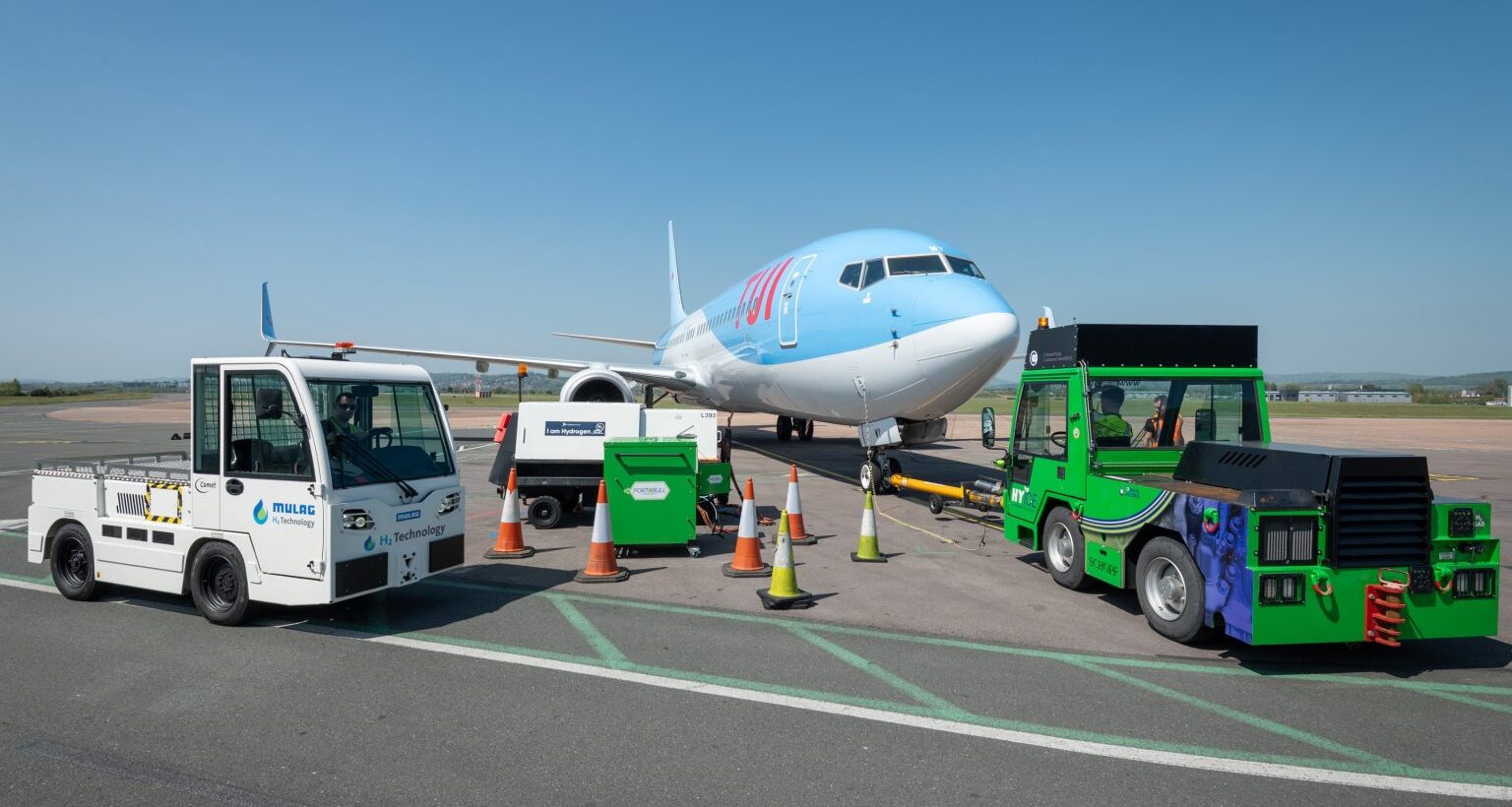
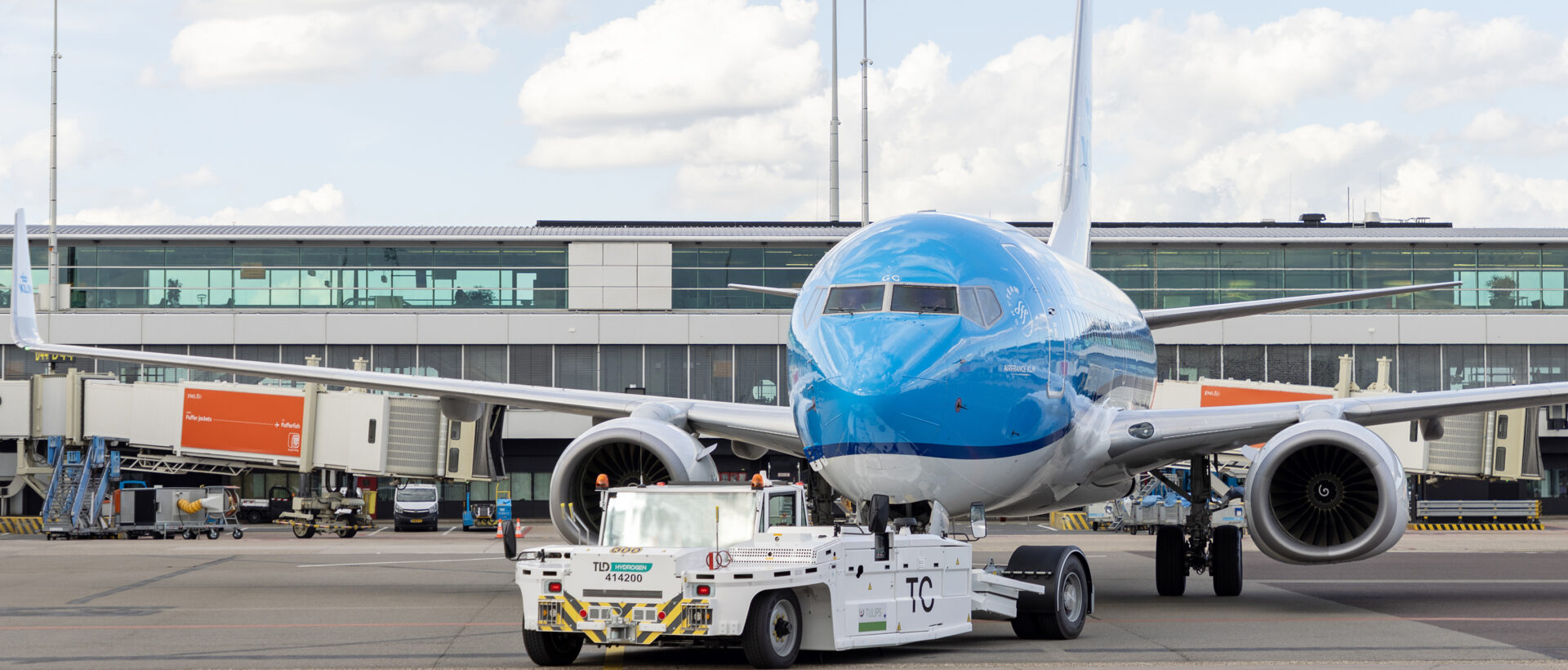
Successful trials using hydrogen on an airfield have been completed at low-traffic airports, such as Exeter Airport, where hydrogen-powered ground support equipment (GSE) supported the turnaround of a TUI Boeing 737. Darryl Abelscroft, Technical Strategy Portfolio Manager for Future Safety & Innovation at the UK Civil Aviation Authority, highlighted the significance of these trials in establishing best practices and shaping the regulations needed for safe hydrogen operations on the ground.
Abelscroft also recognised the importance of ensuring that a lack of regulations does not act as a barrier for the introduction of hydrogen flight, and stressed that the CAA is working to ensure the necessary regulations are published in coordination with both the technology and the infrastructure being ready. This attitude shows a commitment towards a proactive and adaptive regulatory approach, where oversight evolves alongside innovation.
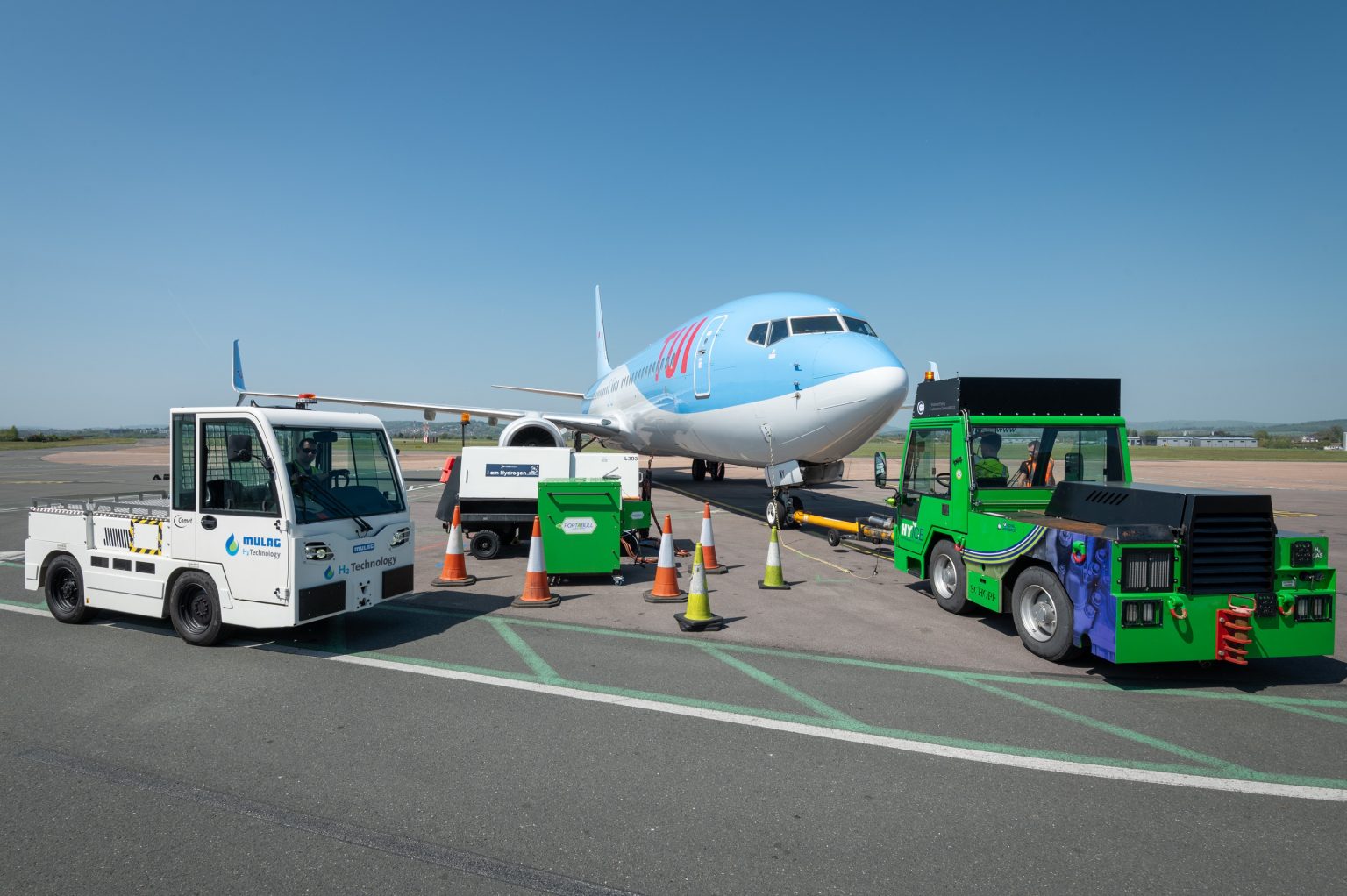
The CAA’s involvement in hydrogen trials is helping to actively shape the regulatory framework. By working with industry and academia in a collaborative sandbox, they can identify gaps, adapt existing certification standards, and develop safety protocols before hydrogen aircraft enter service.
However, when considering the need to scale solutions to larger airports, Emma Brown, Emissions Strategy Researcher at Heathrow, emphasised that these regulations and safety considerations must also be compatible with live operations on a highly efficient airfield. This includes considerations regarding space and time constraints. Regulations that are reasonable in a low-traffic setting may become impractical at scale if they introduce additional burdens, such as resulting in longer aircraft turnaround times. It is therefore crucial to ensure that the required regulations do not ultimately act as a barrier to scaling the rollout of hydrogen solutions.
Scaling Infrastructure Investment
As hydrogen aircraft move from trials at smaller airports to commercial service at larger hubs, the challenge of scaling infrastructure becomes likewise more acute.
James McMicking, Chief Strategy Officer at ZeroAvia, noted that the scale of aviation infrastructure we rely on today benefited from substantial wartime investment, and these resources and conditions cannot simply be replicated. He argued that a gradual, phased approach is more realistic, allowing supply chains to mature, personnel to be trained, and public confidence in the technology to grow. McMicking also highlighted the economic incentives that will drive this investment, noting that hydrogen aviation represents a commercial opportunity that can underpin future growth.
For the technology to take hold, small trials need to be scaled up into testing that challenges the entire ecosystem and proves its utility. Abelscroft stated that the industry is moving forward with this aim, such as through Innovate UK and the DfT’s competition for a zero-emission flight demonstrator. This initiative is designed to bring together aircraft, infrastructure, and operational procedures in a coordinated environment, providing a platform to identify challenges, validate systems, and push hydrogen aviation toward broader adoption.
The industry’s emphasis is thus shifting towards coordination and ensuring that progress in one area does not outpace another, so that the ecosystem develops as a whole.
Sustainable Skies World Summit 2026 highlighted that hydrogen flight is advancing, and airport readiness must keep pace. Gradual investment and scaling will be key to ensuring hydrogen aviation can take off safely, efficiently, and commercially. Success will undoubtedly require coordinated action across airports, regulators, and industry stakeholders to ensure that infrastructure, safety, and operational readiness evolve alongside the promise of hydrogen-powered flight.
Read more from Sustainable Skies World Summit 2026:
- Which Planes Will Be Serving Our Airports Next?
- The Global Flight Path to Decarbonise Aviation
- Integrating Electric Air Taxis Into Real-World Airports
Read more from past editions here:
- Political Turbulence on the Path to Net Zero Aviation
- Hydrogen on Hold? Airports Respond to Airbus’ ZEROe Delay
- Green Skies Ahead: Future-Proofing Airports for Sustainable Aviation
- Will Airports Have the Power to Decarbonise?