The UK is positioning itself as a global leader in decarbonising aviation, targeting net-zero emissions by 2050 through the Jet Zero strategy. However, discussions at last week’s Sustainable Skies World Summit, held at Farnborough International Airport, emphasised the need for a coordinated, global approach to this challenge.
Aviation is inherently international, with planes taking off and landing at airports across borders. As such, for a flight to be sustainable, both the origin and destination airports must be equipped to support the same low-carbon solutions.

ICAO
This reality is reflected in recent developments by the International Civil Aviation Organization (ICAO), presented at the conference by Neil Dickson, Secretary, CAEP; Chief, Environmental Standards.
ICAO has 193 member states, including nearly all United Nations member states, which share a commitment to international civil aviation safety, security, and environmental standards. Its Committee on Aviation Environmental Protection (CAEP), a technical body of around 1,200 experts, has been developing standards on noise and emissions since 1983. This work has now become central to one of aviation’s most urgent transitions.
Crucially, ICAO is not just setting targets, but is building the systems needed to track and compare progress globally. A new monitoring and reporting methodology developed by CAEP will assess emissions reductions across technology, operations and fuels. Here, emissions performance will be benchmarked within a global framework, not just against local targets.
Delivering Emissions Reductions
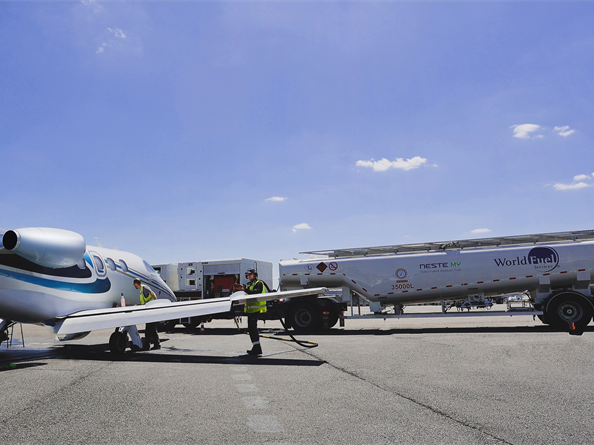
In the near term, sustainable aviation fuels (SAF) are expected to act as the industry’s biggest driver to reduce emissions. This has direct implications for airports, which may become energy hubs, responsible for enabling supply chains, storage, blending, and distribution of new fuel types.
ICAO’s global framework aims for a 5% reduction in CO₂ emissions by 2030 through cleaner energy use. Achieving even this milestone requires coordinated policy, aligned certification standards, and shared access to supply. An airport with world-class SAF infrastructure is of limited value if airlines cannot source sufficient volumes globally.
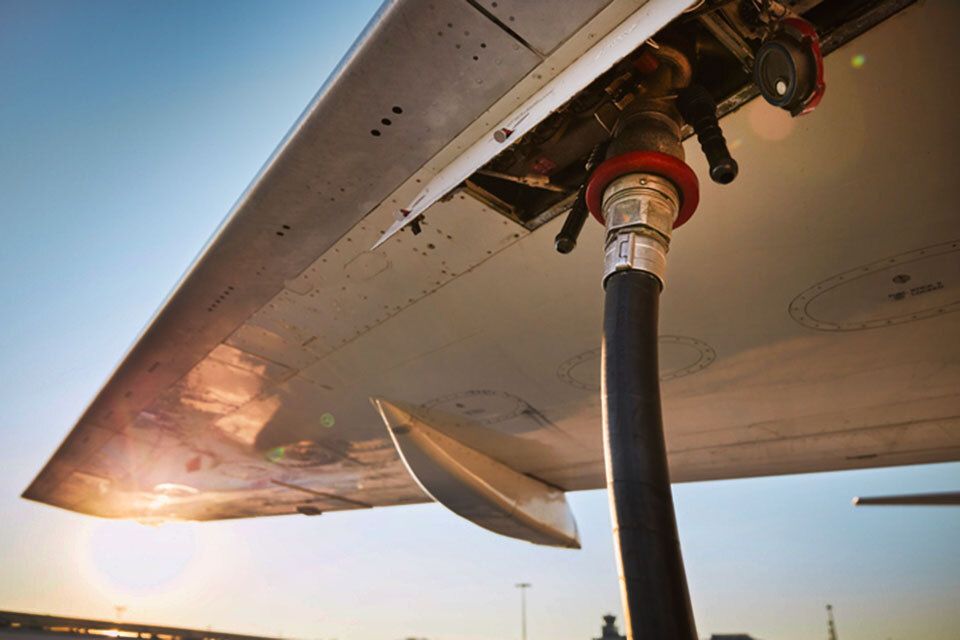
Notably, airports have made meaningful progress on their own footprints, electrifying ground operations, improving energy efficiency, and investing in renewables. But these measures, while necessary, are not sufficient. To tackle flight emissions, the Carbon Offsetting and Reduction Scheme for International Aviation (CORSIA) has been introduced as the world’s only global market-based mechanism for aviation emissions. Under CORSIA, airlines are required to monitor their emissions and offset any growth above agreed baseline levels by purchasing carbon credits.
The scheme moves into a mandatory phase from 2027, requiring airlines to offset emissions on international routes between participating states.
Within this mandate, emissions accountability will be global and route-based, not confined to individual facilities. Harmonised monitoring, reporting, and verification systems developed through ICAO will be consistent worldwide. Dickson emphasised that the pilot and voluntary phases in the CORSIA programme have been crucial to this mission, enabling airlines to gather experience before the mandatory phase.
Financing the Transition
Despite global policies, a stark challenge for global cooperation remains one of finances. ICAO estimates that achieving net zero will require around 3.2 trillion USD in investment by 2050.
Recognising this hurdle, the organisation has launched platforms to connect projects with capital, including partnerships with associations such as the International Renewable Energy Agency. For example, ICAO’s Finvest Hub connects SAF projects with investment and financing opportunities, aiming to bridge the gap between ambition and bankability.
Decarbonisation in Developing Countries
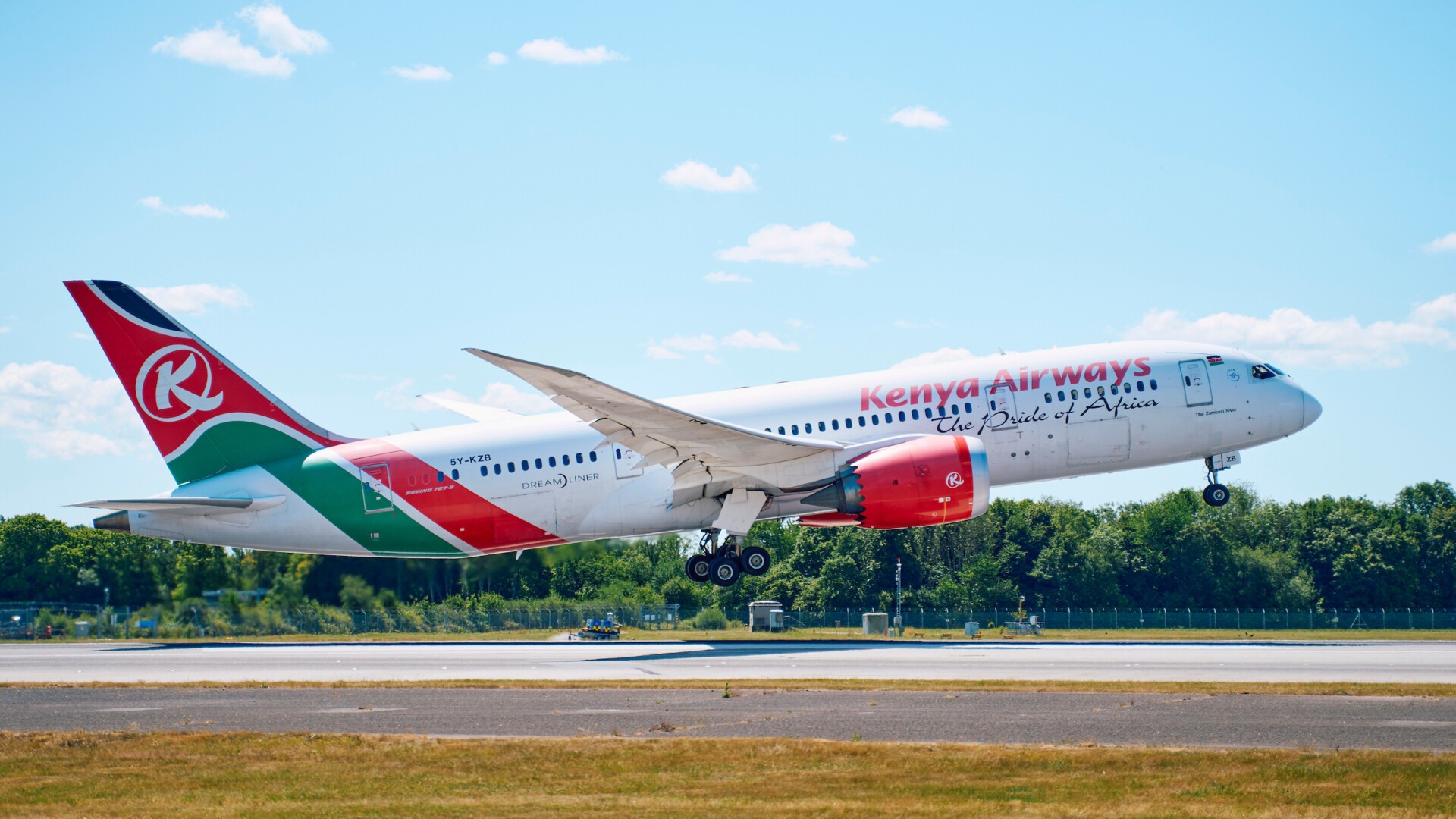
To ensure a global transition, the organisation’s work also includes a deliberate focus on developing countries. Dickson noted that ICAO is currently working on 50 feasibility studies leading up to 2028 on the potential implementation of SAF in developing countries, such as Chile, Ethiopia, India and Kenya.
Furthermore, from an airline perspective, Wakina Mutembei, Senior Manager, Innovation and Sustainability at Kenya Airways, highlighted that sustainability is not only about adopting future technologies but also making today’s fleets operate more efficiently within different regional realities. In many parts of the world, older aircraft are transferred from elsewhere and kept in service, rather than utilising new planes. These airlines therefore have to make operational improvements, such as fuel-efficient flying techniques, incremental technology upgrades, and waste reduction onboard, rather than relying on newer, more efficient models.
Mutembei noted that passenger expectations are also evolving worldwide, with a growing willingness to support sustainable aviation fuels. She pointed to a greater scrutiny on issues like onboard plastics and wider supply chain impacts. This underscores a broader point, where decarbonisation cannot focus solely on infrastructure or next-generation fuels, but must also look to improve current operations, extend asset lifecycles responsibly, and align with passenger-facing sustainability demands.
Global Innovators Challenge
The summit also highlighted the role of people in this transition. The Global Innovators Challenge focuses on developing the next generation of aviation leaders, bringing together young professionals from across the industry to tackle sustainability challenges from new angles.
Participation from businesses such as Kenya Airways reflects the importance of including voices from across the global aviation ecosystem. Ensuring that future leaders understand the realities of different markets will be essential if solutions are to work at scale, rather than in isolated markets.
“One Global Path”
The underlying message from the discussions at Sustainable Skies World Summit is that aviation operates as a global system, and its decarbonisation must follow the same logic. Arguably, the slogan emerging from ICAO’s climate agenda—“One Global Path”—is thus a practical necessity.
The journey to decarbonise aviation cannot be navigated by individual countries, airports, or airlines alone. Success requires a globally coordinated approach, where policy, infrastructure, technology, and finance move in step across borders. Sustainable aviation fuels, operational improvements, and market-based mechanisms like CORSIA provide the tools, but their impact depends on shared standards, harmonised reporting, and access to technology worldwide.
Read more from Sustainable Skies World Summit 2026:
- Which Planes Will Be Serving Our Airports Next?
- How Airports Must Lay the Groundwork for Hydrogen-Powered Flight
- Integrating Electric Air Taxis Into Real-World Airports
Read more from past editions here:
- Political Turbulence on the Path to Net Zero Aviation
- Hydrogen on Hold? Airports Respond to Airbus’ ZEROe Delay
- Green Skies Ahead: Future-Proofing Airports for Sustainable Aviation
- Will Airports Have the Power to Decarbonise?