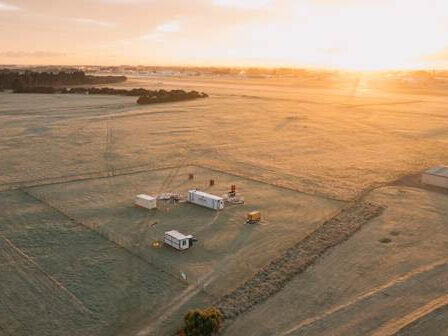
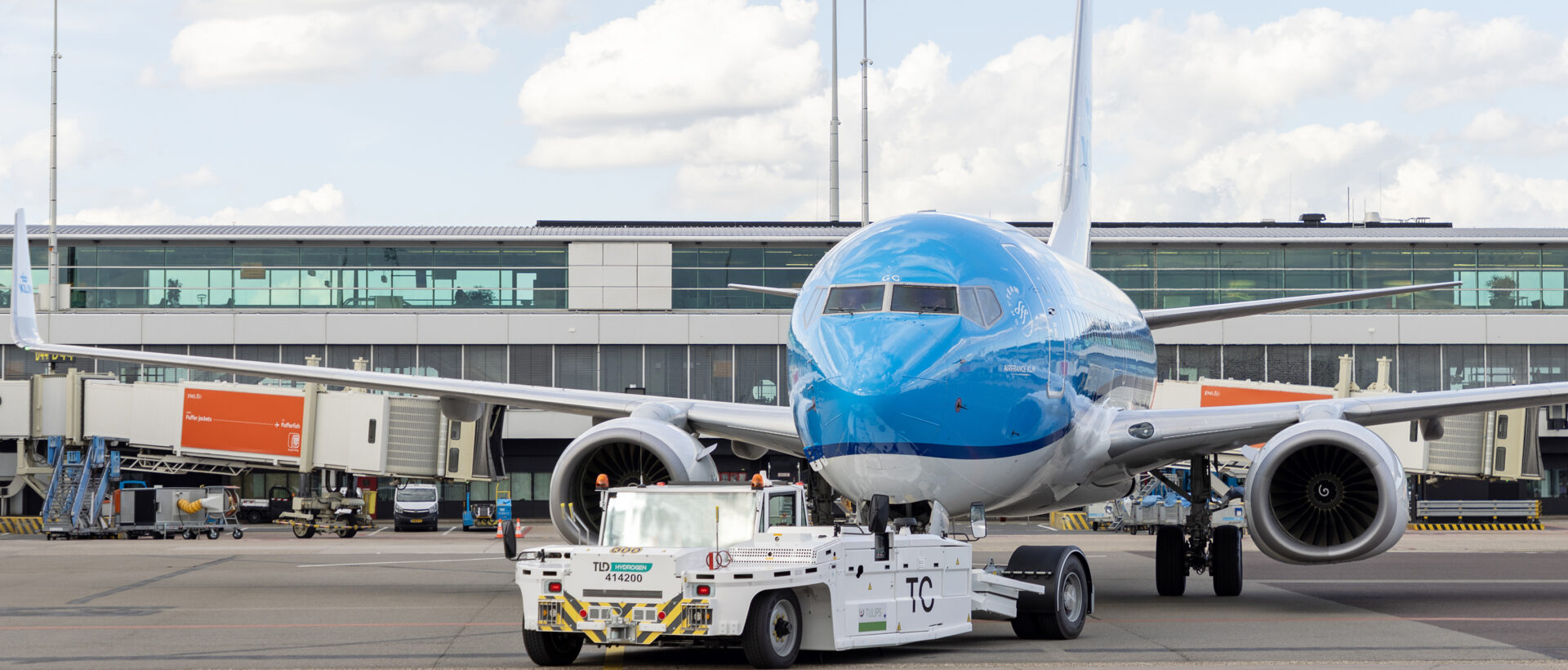
From 17-18 March, Sustainable Skies World Summit 2026, held at Farnborough International Airport, aimed to provide a realistic outlook on the future of aviation and the types of aircraft that will be serving airports in the decades to come.
As noted by David Debney, Head of Technology: Whole Aircraft at the Aerospace Technology Institute (ATI), aircraft development cycles are long, currently taking 7 to 10+ years from initial concept to entry into service. Because key design decisions are made early in this process, any aircraft expected in the late 2030s will need its core technologies to be proven before the end of this decade.
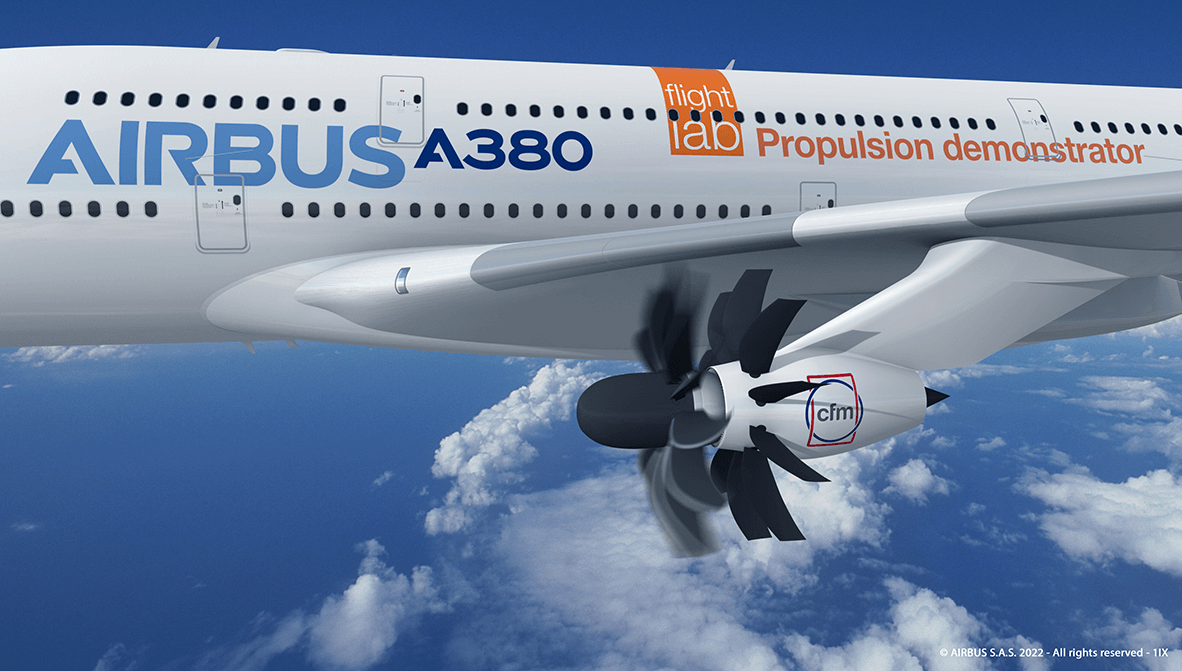
Efforts to improve jet-fuelled aircraft often focus on new propulsion architectures. For example, Jonathan Chestney, RISE UK Technical Director at Dowty – a GE Aerospace Company, detailed how the CFM RISE (Revolutionary Innovation for Sustainable Engines) programme is exploring whether a step change in propulsion efficiency is achievable within the next aircraft cycle. The programme includes a focus on open-fan architecture, which removes the traditional engine casing and allows for a much larger fan, increasing the volume of air moved and potentially offering efficiency gains exceeding 20%.
However, open-fan designs introduce questions around noise, certification, and integration with future airframes, potentially requiring changes to aircraft configuration. Consequently, the programme is being developed alongside more conventional engine improvements.
As a closed fan example, Ash Owen, Head of Future Technology at Rolls-Royce, likewise outlined the UltraFan programme. The UltraFan is a high-bypass geared turbofan designed to deliver double-digit improvements in fuel efficiency over current engines, while remaining compatible with existing airframe designs. Its architecture allows for larger fan diameters and higher bypass ratios without the noise and integration challenges of open-fan designs.
Aside from the focus on propulsion, composite wings, folding wingtips, and advanced manufacturing are also central to achieving efficiency improvements. Weight reduction is likewise regarded as a universal currency of sustainability, applying to everything from landing gear to cabin interiors, as every kilogram matters.
Indeed, Nicholas Earl, Vice President at Safran UK, detailed how passenger seats are being reimagined through 3D printing and novel materials, enabling the weight of seat cushions to be halved without compromising passenger comfort. Such changes can have a notable impact when multiplied across an entire fleet over decades of operation.
Zero-Emission Aircraft
Beyond the efficiency gains that can be achieved for jet-fuelled planes, zero-emission aircraft are expected to provide the next great leap in reducing aviation’s environmental impact. Unlike incremental improvements to jet-fuelled aircraft, these designs rely on alternative energy sources such as hydrogen or battery-electric power, and require a complete transformation of aircraft architecture, propulsion systems, and airport infrastructure.
The rollout of zero-emission aircraft is expected to begin with smaller designs, where energy requirements are lower and battery or hydrogen storage is more manageable. Current programmes focus on small aircraft, with ZeroAvia advancing its ZA600 hydrogen‑electric powertrain to power aircraft in the 10‑20 seat class for short regional routes. These early platforms serve as crucial stepping stones, providing the data and operational experience needed to scale up toward larger aircraft in the future.
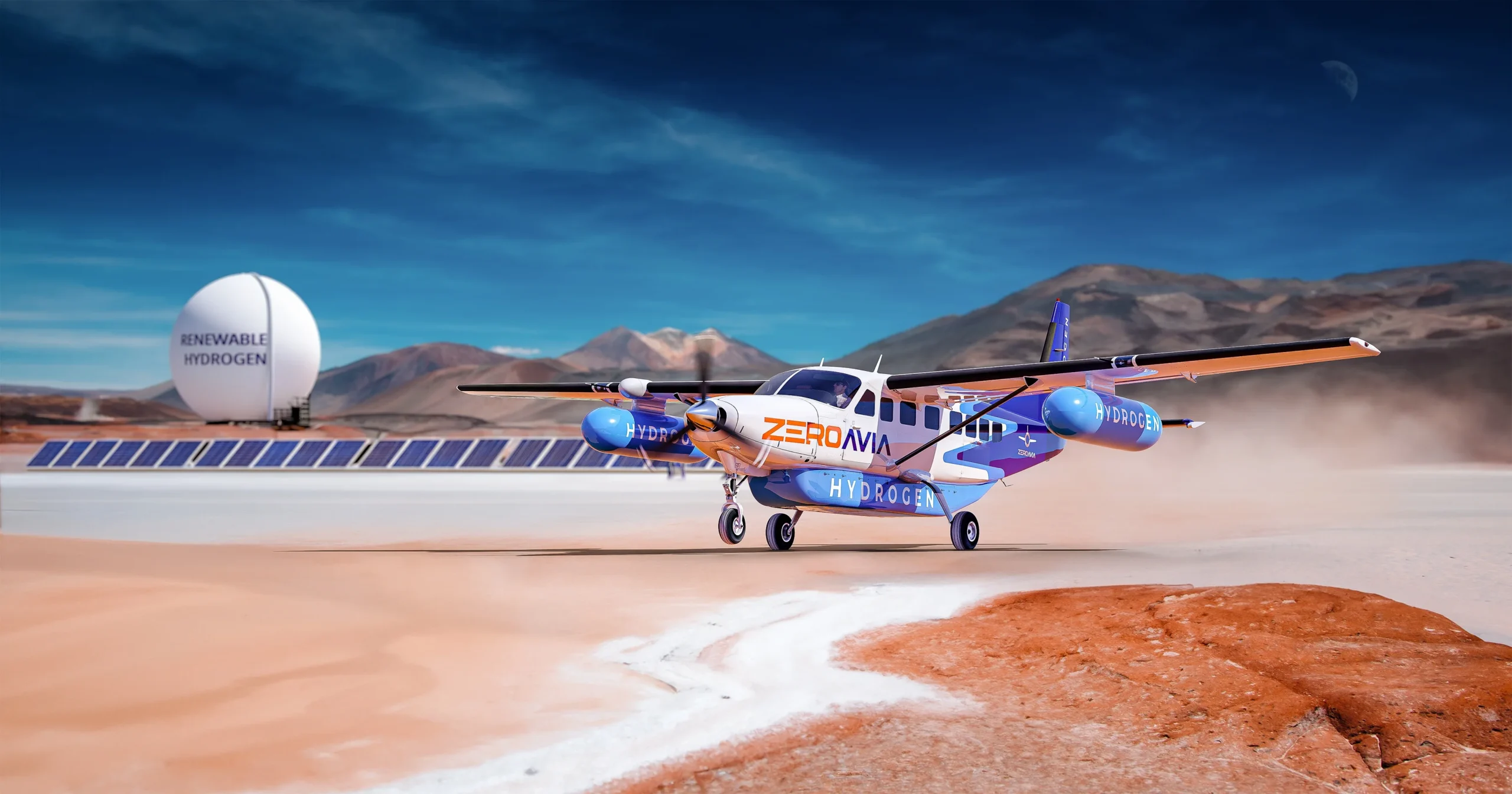
During a panel discussion, James McMicking, Chief Strategy Officer at ZeroAvia, asserted that the fundamentals of hydrogen aviation are no longer in question. The core technologies, including clean hydrogen production, fuel cells, and electric propulsion, are already proven, and the debate is therefore no longer one of scientific feasibility
James McMicking, Chief Strategy Officer at ZeroAvia said:We’ve demonstrated that the technology works, and now we’re focused on maturing it—making sure it’s ready to support aviation more broadly. That means developing the supply chain, proving reliability, and ensuring there’s a real market for the technology. The fundamentals are all there: hydrogen is the right way to electrify flight, but getting from where we are today to widespread adoption will take time, and it will happen incrementally.
Crucially, Simon McNamara, Head of Government & Corporate Affairs at Loganair, stressed that the industry should not dismiss the commercial utility of these developments just because they cannot yet be scaled to full-size aircraft. In fact, Loganair’s shortest flight lasts just 90 seconds between Westray and Papa Westray. Here, a hydrogen aircraft could help bring operational costs down while offering a more sustainable option for regional travel.
Despite this positive outlook, in recent years, expectations have arguably dropped regarding the future of hydrogen aircraft. McMicking acknowledged the impacts of politics on global development and noted that the US in particular has reduced its focus on climate goals in the last 18 months. What’s more, in February 2025, Airbus delayed its ZEROe hydrogen programme, pushing it back by 5 to 10 years and reducing its budget by 25%. This programme had previously planned to launch a hydrogen-powered commercial aircraft by 2035, and many took the announcement to mean its development was no longer viable.
However, although the timeline has shifted, Darryl Abelscroft, Technical Strategy Portfolio Manager, Future Safety & Innovation at the UK Civil Aviation Authority, stressed that it is crucial not to overcorrect expectations. Airbus has not cancelled the programme and is still investing heavily in the technology.
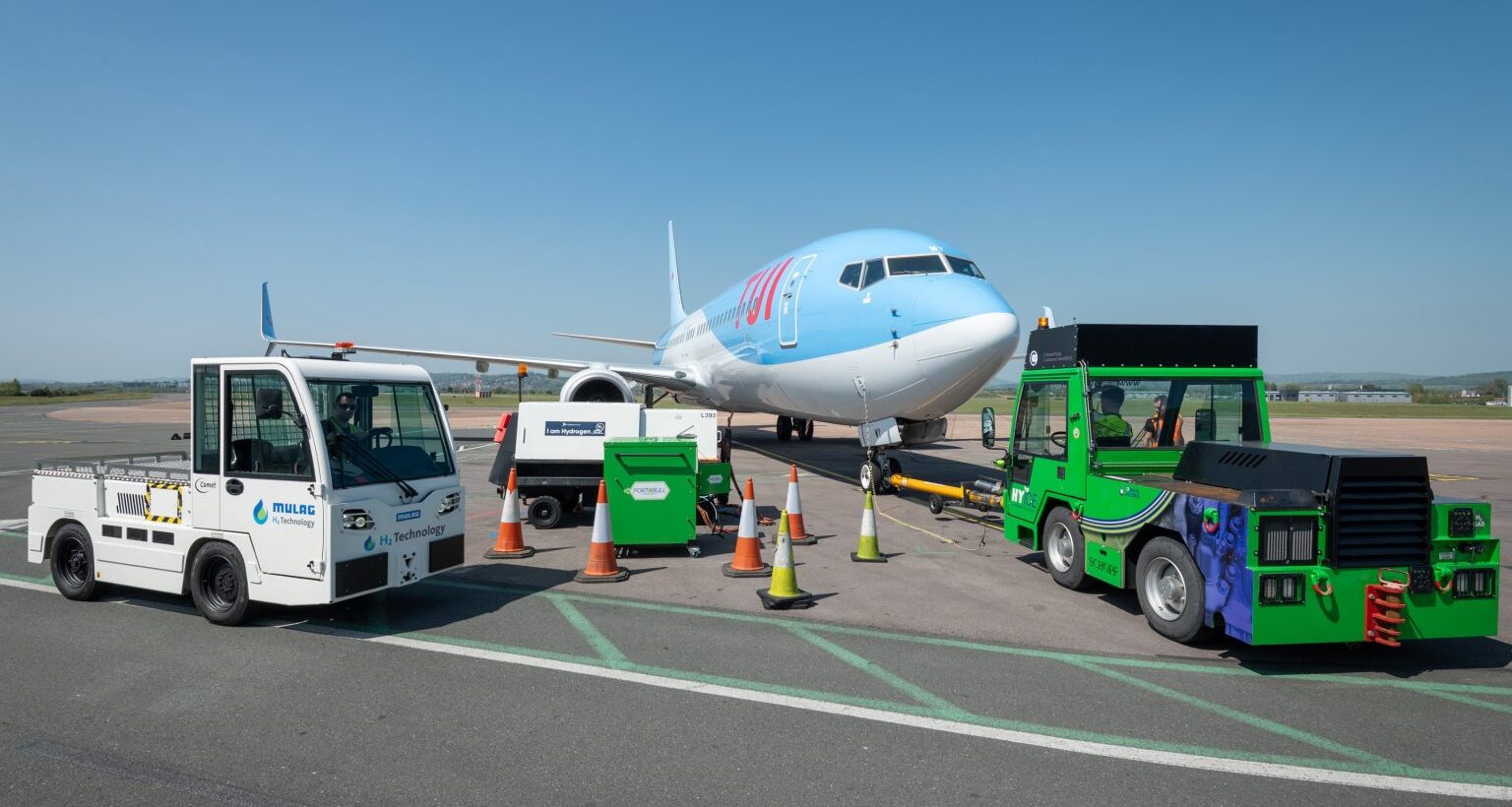
Instead, Abelscroft argued that the biggest challenge lies in creating the entire ecosystem to support hydrogen-powered aircraft. Hydrogen aviation requires a system-wide transformation that includes new fuel production pathways, distribution networks, ground handling procedures, safety frameworks, and certification standards. Progress is being made across each of these areas, but they must ultimately converge in a coordinated way for hydrogen to become commercially viable at scale.
For airports, this transition will be pivotal, and their readiness will be just as critical as the aircraft themselves in determining how quickly hydrogen can scale. Read more here.
Read more from Sustainable Skies World Summit 2026:
- How Airports Must Lay the Groundwork for Hydrogen-Powered Flight
- The Global Flight Path to Decarbonise Aviation
- Integrating Electric Air Taxis Into Real-World Airports
Read more from past editions here:
- Political Turbulence on the Path to Net Zero Aviation
- Hydrogen on Hold? Airports Respond to Airbus’ ZEROe Delay
- Green Skies Ahead: Future-Proofing Airports for Sustainable Aviation
- Will Airports Have the Power to Decarbonise?