At this year’s Sustainable Skies World Summit, the debate around advanced air mobility (AAM) moved beyond the hype to answer crucial questions about operations, economics, and public value. Throughout the conference discussions, executives, regulators, and manufacturers came together to address how electric aircraft for air taxi services can and will be implemented in the real world.
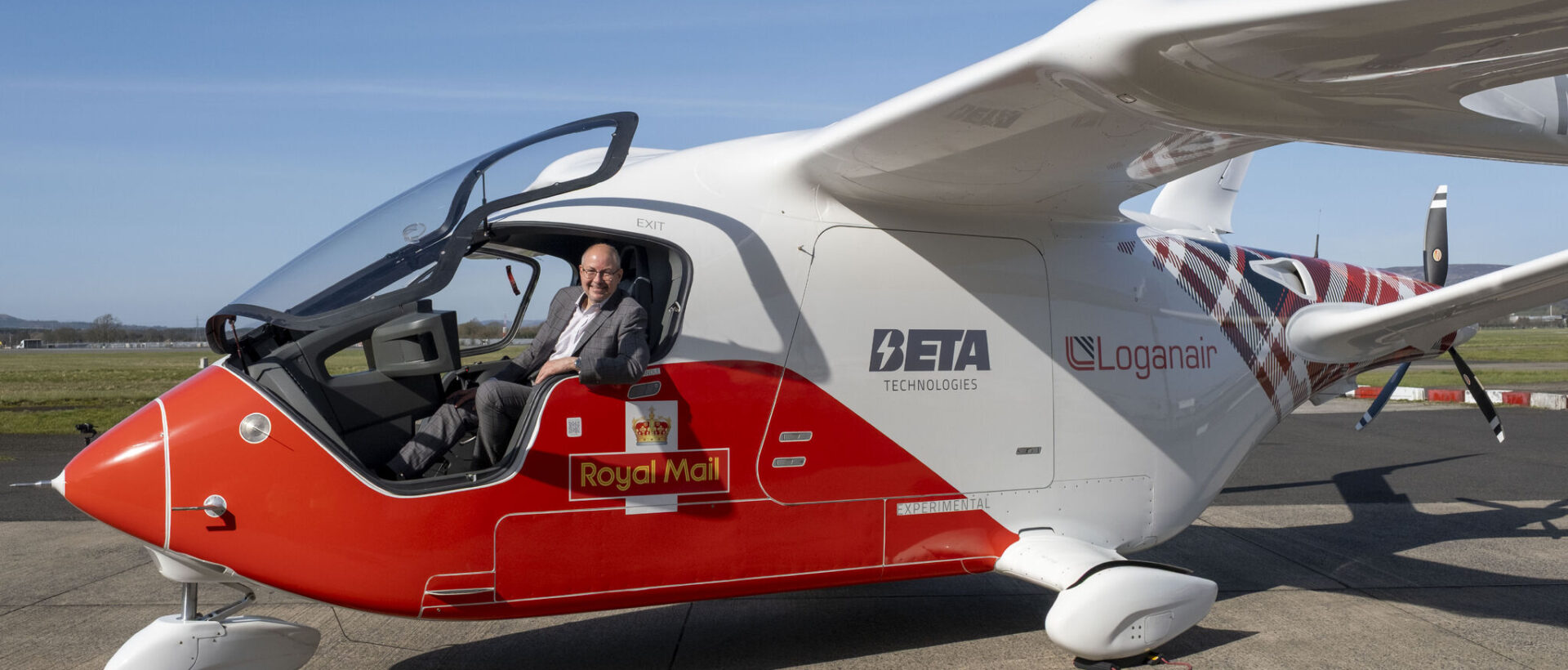
One of the clearest examples came from a six-month trial in Norway, where an electric aircraft completed 126 flights across nearly 9,000 nautical miles. According to Jan Petter Steinland, Director of Strategic Analysis and Transformation at the Norwegian Civil Aviation Authority, the result was pleasantly anticlimactic, as “there was not a lot of drama.”
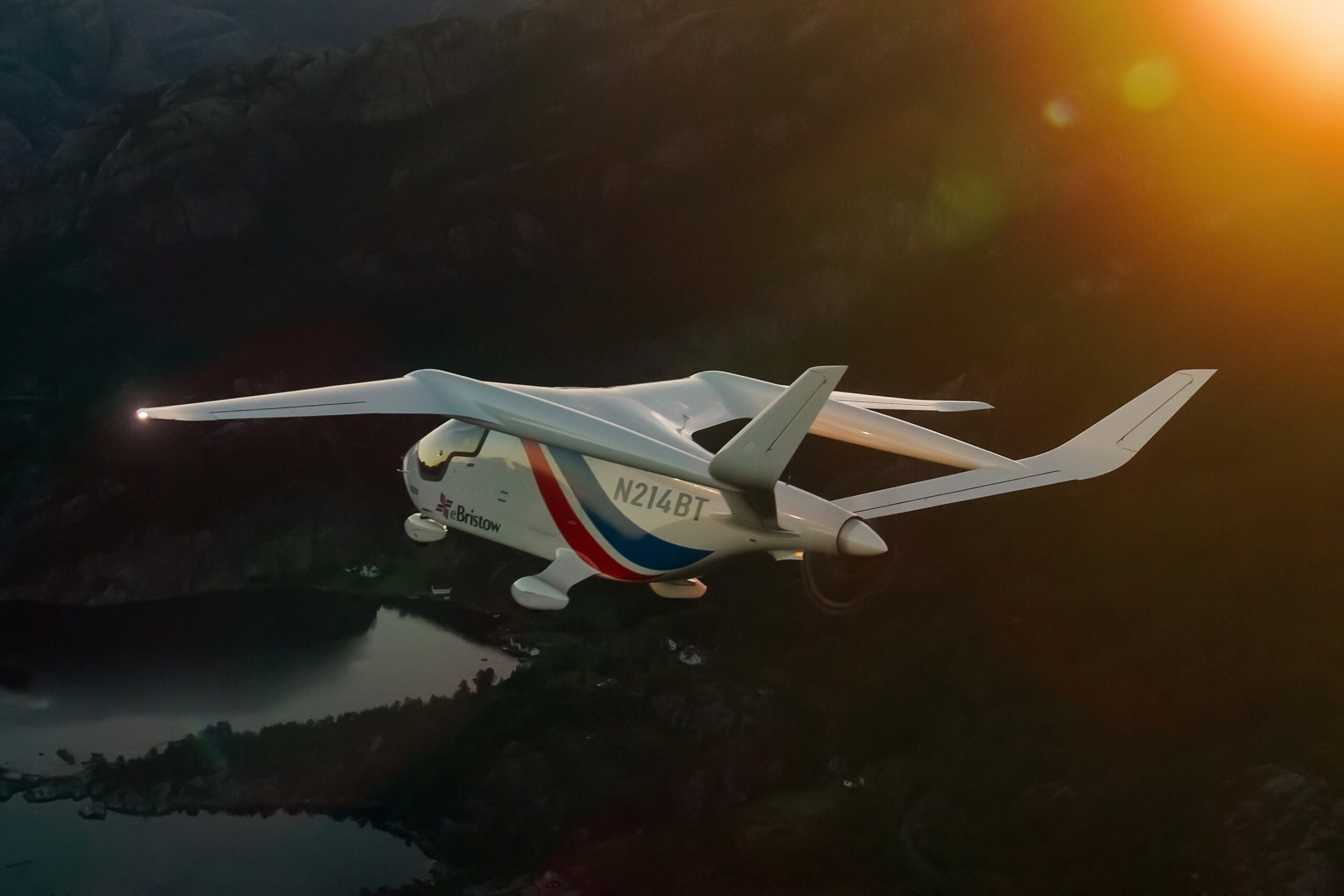
Simon Meakins, Director of Advanced Air Mobility EAMEA at Bristow Group reinforced this point, noting that maintenance was minimal, as one dedicated engineer mostly kept the aircraft clean and changed just three tyres over the entire period. Energy costs were also significantly lower than those of conventional aircraft, and operations were routine, with flights taking place day and night and in both visual and instrument conditions, including harsh winter weather. What’s more, the flights were successfully integrated into the controlled airspace, and rapid turnaround times were achieved, using high-capacity charging infrastructure at the airport.
These outcomes suggest that electric aircraft could materially reduce both cost and complexity compared to helicopters if infrastructure were scaled to accommodate them.
However, the panellists emphasised that the end goal is not simply to replace helicopters for the ultra-wealthy. In countries like Norway, Steinland emphasised that many rural communities depend on aviation as a lifeline for regional connectivity. In that context, advanced air mobility is less a luxury and more a practical extension of existing transport networks, which could deliver tangible societal and economic value. Beyond passenger travel, these platforms also offer clear potential for public-interest applications, including emergency response and supporting defence and resilience.
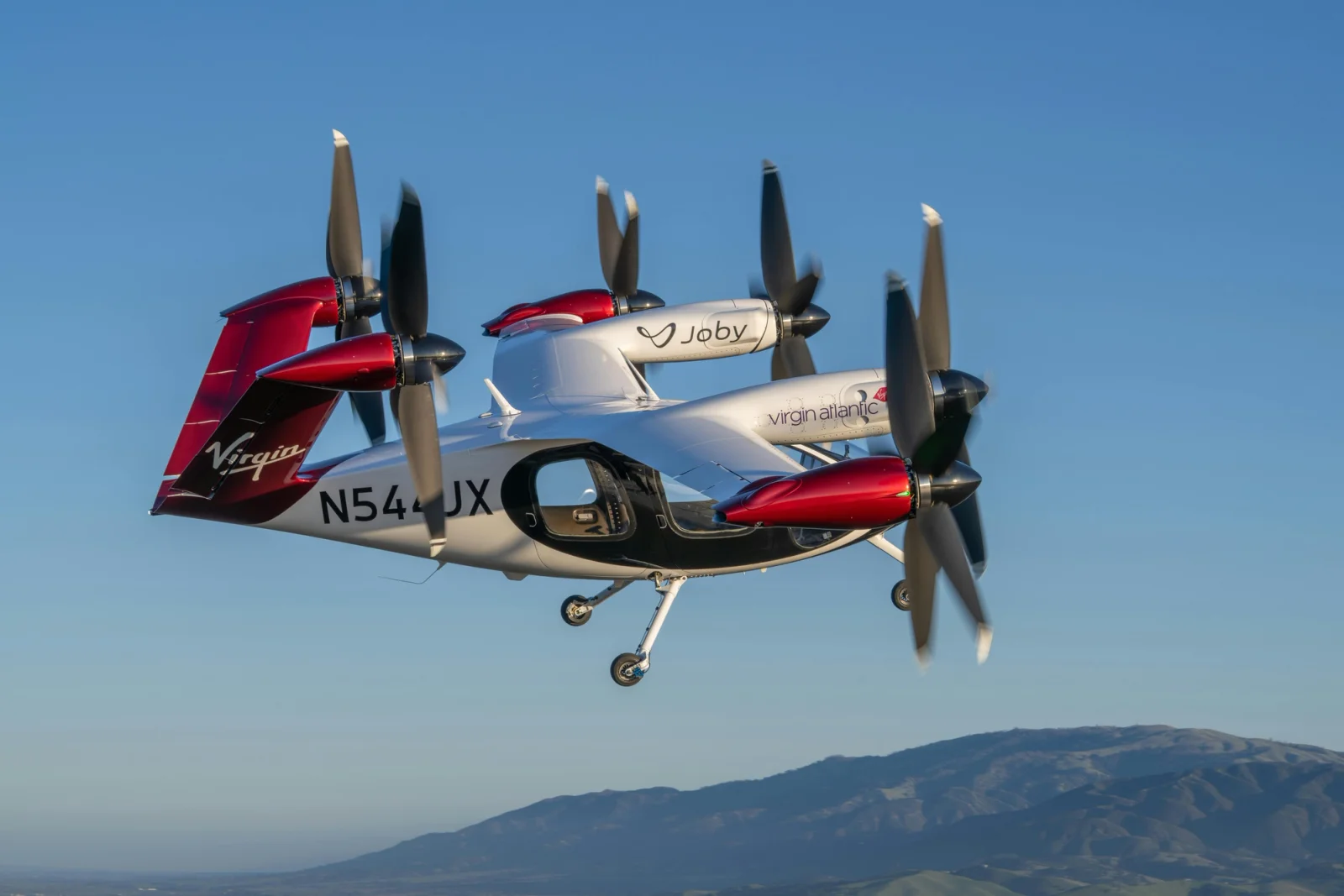
Highlighting the scale of the vision, Max Coppin, UK General Manager at Joby Aviation, stressed that the company’s mission remains to “save a billion people an hour a day.” Be this as it may, he acknowledged that resource constraints will initially force a focus on certain markets and routes; yet mass transit will remain the end goal.
Advanced Air Mobility in the UK
Joby has already demonstrated success in the USA, where it has been certified to conduct flights in the San Francisco Bay Area, and the Middle East, where its flights have been integrated with the Uber app. It now views the UK as a strategic market, aiming to apply its learnings from other markets.
In the UK, this vision sits within a distinctly different policy environment. According to Sofia Stayte, Head of Future Flight at the Department for Transport, the UK is not trying to win a race to be first in rolling out the technology. Instead, the priority is to build “one of the most advanced and stable regulatory environments” for these technologies.
The UK is therefore deliberately aligning timelines with technological readiness. The approach is also not being driven top-down from the government. Instead, Stayte emphasised that the UK model is built on joint development between government, industry, and local communities. With the goal of providing an additional public transport service, she stressed the need to take the public along and maintain positive perceptions.
This approach is reinforced by the industry. Marjan Schoeke, VP Commercial Strategic Projects at Vertical Aerospace, was explicit that safety, not speed, must define the rollout. In the UK and wider European context, this means certifying aircraft to levels equivalent to large commercial airliners. While this brings technical and engineering challenges, Schoeke emphasised that it is essential to building long-term trust in the sector.
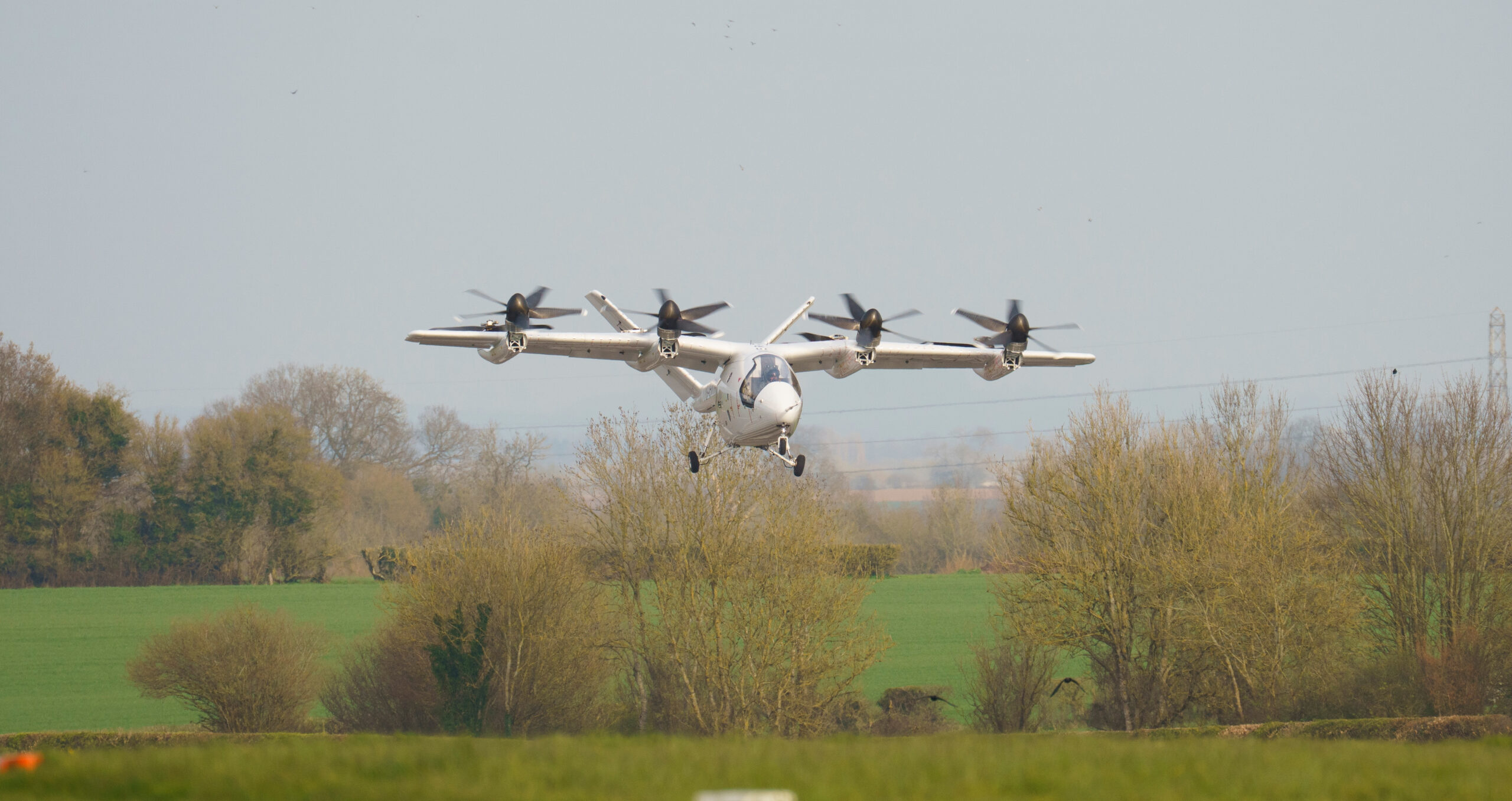
Crucially, Schoeke also pushed back against the idea that early deployments in places like the US or UAE can simply be replicated elsewhere. Differences in airspace complexity, infrastructure, weather, and public expectations mean there is no universal blueprint. Even within the UK, solutions are unlikely to be easily transferable from one airport to another without adaptation. Air traffic control concepts developed for one airport environment cannot necessarily work in another, highlighting the need for location-specific planning from the outset.
Notably, there are also structural challenges unique to the UK. Unlike Norway’s dispersed geography or the relatively unconstrained airspace of newer markets, the UK must integrate AAM into one of the world’s busiest and most complex airspace systems, alongside existing rail, road, and airport infrastructure. This makes deployment inherently more difficult, but also potentially more valuable if it can be made to work.
In terms of use cases, the government’s focus prioritises integrated transport, using eVTOL aircraft to connect existing hubs such as airports, rail stations, and regional centres. This could include proposed corridors linking places like Heathrow, Gatwick, Oxford, and Cambridge.
The long-term vision is to deliver mass transit without the infrastructure constraints of costly, fixed rail networks, the UK also has a number of rural and isolated communities that could serve as early use cases for electric aircraft. For example, Andy Smith from Somerset Council outlined a comprehensive advanced air mobility plan for the South West of England, noting that the region’s western extremities, such as the Isles of Scilly, stand to benefit most from early deployment.
For Smith, however, the current barriers include the need for aircraft to operate with Instrument Flight Rules (IFR) and for smaller airports in such locations to have enhanced air traffic control (ATC) at the airfields.
What emerges is a picture of a sector transitioning from demonstration to delivery. This will require implementation in the right places, at the right scale, and with the right infrastructure in place. Early deployments will target routes where the value is clearest: connecting remote communities, linking regional airports, or providing time-sensitive services like emergency response. The future may scale these ambitions to expand the technology’s benefit.
Read more from Sustainable Skies World Summit 2026:
- Which Planes Will Be Serving Our Airports Next?
- How Airports Must Lay the Groundwork for Hydrogen-Powered Flight
- The Global Flight Path to Decarbonise Aviation
Read more from past editions here:
- Political Turbulence on the Path to Net Zero Aviation
- Hydrogen on Hold? Airports Respond to Airbus’ ZEROe Delay
- Green Skies Ahead: Future-Proofing Airports for Sustainable Aviation
- Will Airports Have the Power to Decarbonise?