And How Airports, Airlines and their Technology Partners Can Solve It Together
By David Gunnarsson, CEO, Dohop
Why is baggage handling such a singular challenge for airports, airlines, and air travellers? The obvious answer is operational complexity: an ecosystem of multiple carriers, agents, ground handlers, contractors, and terminal zones is inherently difficult to manage. But a somewhat hidden factor is that self-connecting passengers and virtual interlined itineraries (and their accompanying bags) are straining airports’ baggage-handling capacity.
The proliferation of traditional interline creates complexity across carriers, system providers, and handling teams, as well as varying levels of airport infrastructure, which can lead to ambiguous chains of custody when data is shared inefficiently. The sheer volume of connected bags — which continues to grow — also puts pressure on the whole system. Combined with self-connect and virtual interline, which compel passengers to claim and recheck bags between legs, airports end up processing more bags than they realise (not to mention costs for check-in and additional passengers moving from airside to landside), leading to reputational and financial costs when breakdowns occur.
The good news is, there is a way to mitigate this pressure through technology — and create better passenger experiences in the process.

The Rise of Self-Connecting Passengers
Before we get to the solution, let’s start with the shift in traveller behavior that is creating new opportunities for airlines and airports: the growing popularity of self-connecting travel. As common on domestic routes as on international ones, self-connecting travel is reshaping baggage handling and how travellers move through transfer airports. Self-connecting passengers grew from 55 million in 2016 to more than 200 million in 2023, according to OAG.
As more passengers book separate tickets for connecting flights, often to secure lower fares or access routes not offered through traditional interline, they must manage their own baggage, as they would not when flying with a single carrier.
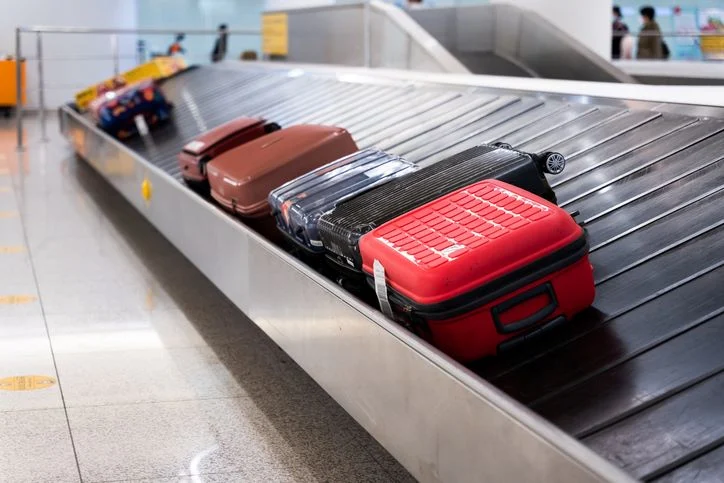
In that scenario, self-connecting travellers typically reclaim and recheck their baggage at transfer airports, which is inherently inefficient and often leads to delays and, in some cases, missed connections. For airports, this means managing a growing volume of landside baggage movements, with passengers navigating between arrivals halls and check-in desks under severe time constraints.
The challenge is both volume and fragmentation. When passengers travel on itineraries without formal interline or codeshare agreements, they are responsible for the physical transfer of their bags between airlines. This is not only a suboptimal bag-transfer process but also often causes frustration and stress for passengers. Because self-connect travel is an increasingly important segment of air passengers, airlines and airports cannot afford to ignore the inefficiencies currently found in how these travellers manage their bags.
Resolving Challenges with Data
These inefficiencies could be addressed primarily through comprehensive, real-time data sharing among airlines, airports, and ground handlers, but this is often lacking. According to SITA’s 2024 Baggage Insights report, 34% of airports do not share baggage delivery data with airlines, and 42% of airlines do not share baggage data with airports. This gap in interconnected data flow makes it difficult to identify problems before they escalate and assign clear responsibility when things go wrong.
Since 2018, IATA has required airlines to track baggage at four key points: acceptance, loading, transfer, and arrival. According to SITA’s 2026 Baggage IT Insights report, 50% of airlines have fully implemented this capability. But implementation rates vary widely by region, and the legacy messaging systems that underpin much of today’s baggage communication remain costly and limited in capability.
The industry is now transitioning to modern baggage messaging standards based on XML, with IATA leading pilot projects to test new approaches. The new Modern Baggage Messaging (MBM) standard, approved last year, is expected to reduce mishandling by a further 5% by improving data quality and enabling more effective communication between carriers and airports. This protocol also serves as the basis for third-party technology solutions designed to alleviate the baggage challenge for both airlines and airports.
Structured Solutions for Multi-Carrier Journeys
And it’s when multiple carriers are involved that baggage challenges become most acute. Just as with self-connect, traditional interline, codeshare, or virtual interline itineraries often lack coordinated handling, creating the potential for bags to be stranded at transfer points with no transparent process for rebooking or recovery.
The connected travel model offers a structured response. By defining clear rules for baggage transfer between carriers, connected travel addresses one of the most visible and common disruptions in multi-segment journeys. Automating airside baggage transfer — having bags move directly between aircraft without requiring passengers to reclaim and recheck them — eliminates this frequent pain point. It also keeps passengers airside between flights, which means more dwell time in the terminal, and more opportunity for airports to generate retail revenue.
Dohop’s BagConnect service enables airlines to offer this valuable airside transfer for virtual interline journeys without requiring infrastructure development and is a key component of connected travel. By establishing defined handover protocols between participating carriers, BagConnect removes the uncertainty for self-connecting travelers and reduces the operational burden on airports managing fragmented baggage flows. For airports and airlines seeking to improve the passenger experience, solutions like BagConnect offer a practical path forward.
A Shared Challenge, A Shared Opportunity
Even with advanced solutions available, baggage handling will likely remain an operational challenge for the foreseeable future. Passenger volumes continue to grow, with IATA reporting a 5.3% rise in total demand in 2025 and projecting approximately 5.2 billion passengers in 2026. Connection patterns are becoming more complex, and traveler expectations for visibility and reliability are rising.
But the same forces that create these challenges also create opportunities. Airports and airlines that invest in collaboration, data sharing, and structured transfer solutions can address this persistent challenge while reducing costs and improving passenger outcomes. It can also help airports manage their capacity and become the connecting hubs they often aspire to be.
By working together and partnering with the right technology companies, airports and airlines can overcome pervasive baggage-handling challenges and seize opportunities by serving self-connecting and virtual interlining passengers.
David Gunnarsson is the CEO of Dohop. Under his leadership, the company has transitioned from an online travel provider into a premier technology partner for airlines worldwide, focused on redefining digital travel connectivity.